Choose for the child’s present needs and the household routine
Begin with the task: a change-time essential, a play surface, a pair of shoes or a piece of clothing. Note who will use the item, where it will be kept and how often it will need cleaning or replacement. A useful comparison brief keeps attractive extras from distracting you from the need you intended to solve.
Consider the products and space you already have. A large play item may need a clear area that is easy to supervise and maintain. A care bundle may duplicate supplies you do not use. A garment or pair of shoes needs actual measurements rather than an imagined future age. Make a short list of necessary details, then use the collection filters to narrow the range before comparing appearance or price.
Read age, development and use guidance for the actual product
Manufacturers may provide an age range, developmental guidance, assembly instructions and warnings for a children's item. Read these together. A photograph of a child using a product is not a substitute for the stated guidance. Do not assume that a toy, play mat or other item is suitable for sleep, feeding or another use that the manufacturer has not described.
Inspect information about loose or detachable parts, cords, fastenings and the way the item is intended to be used. Keep instructions so you can check them later. Age guidance is one part of the decision; the child's abilities and the specific setting also matter. The CPSC's toy-safety resources provide further reading on evaluating toys and small-part hazards, without replacing the instructions or requirements relevant to the product and your location.
Compare diapers, wipes and care bundles by the usable contents
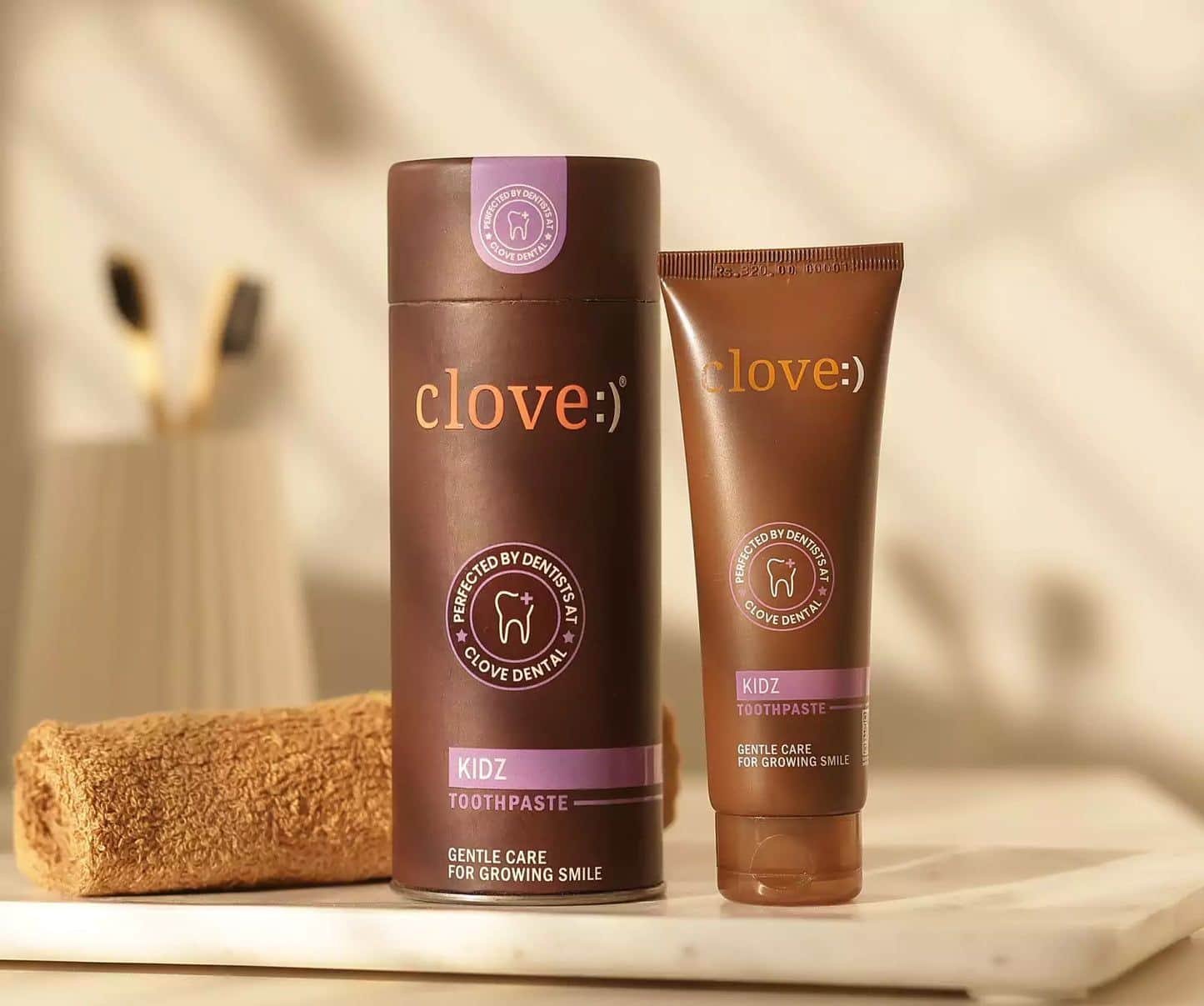
For diapers, check the stated size guidance and pack quantity instead of relying solely on a broad size name. For wipes or other care products, look at the quantity, ingredients where applicable and the intended use. A bundle can combine different products or sizes, so confirm each component before comparing its price with a single pack.
Work out whether every part of the bundle suits your routine. A larger purchase may not be useful if a child is moving between sizes or you have not used that product before. Check the manufacturer's directions and any warnings, and ask an appropriate professional when a product choice involves a health concern. The collection can help you compare documented contents; it cannot establish an individual child's response to a personal-care item.
Use measurements for footwear and clothing
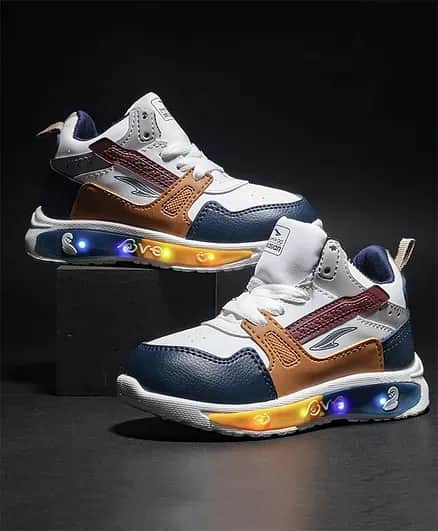
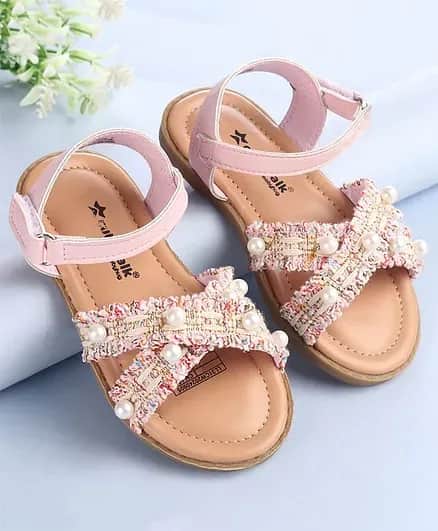
For children's shoes and sandals, use the seller's sizing instructions and the child's current foot measurements. Check whether a chart uses foot length, insole length or another measure. Closure type, material, dimensions and the intended use can matter as much as the number printed beside the size. A growth allowance should follow relevant guidance, not an arbitrary jump between sizes.
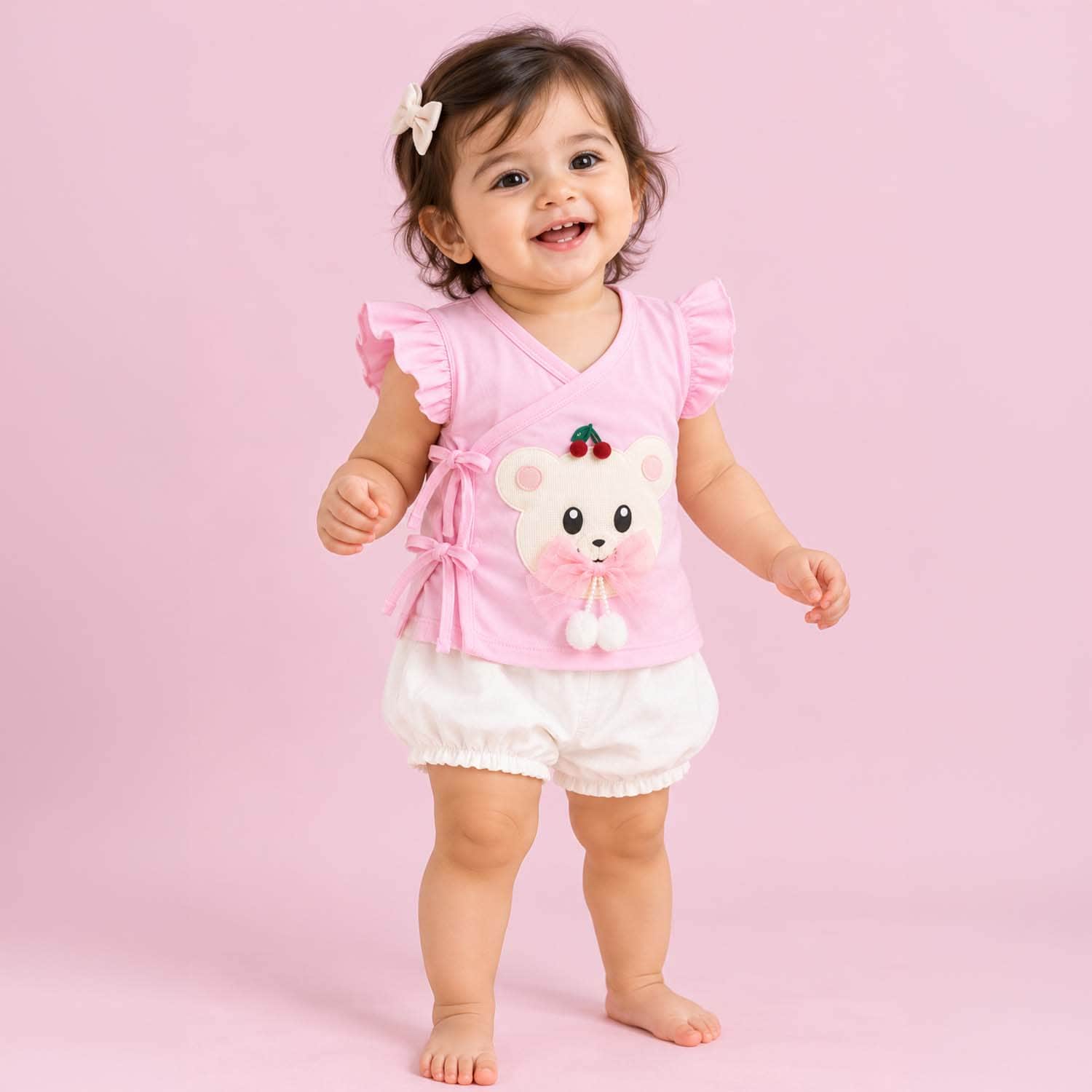
For clothing, compare height and garment dimensions where provided. Look at fastenings, seams, lining and care instructions, particularly for frequently used pieces. A fabric name does not describe the entire construction. If a seller gives only an age label, ask for the measurements you need. The kids' fashion collection offers a more focused clothing browse while this collection keeps other family essentials close at hand.
Assess play items by space, assembly and maintenance
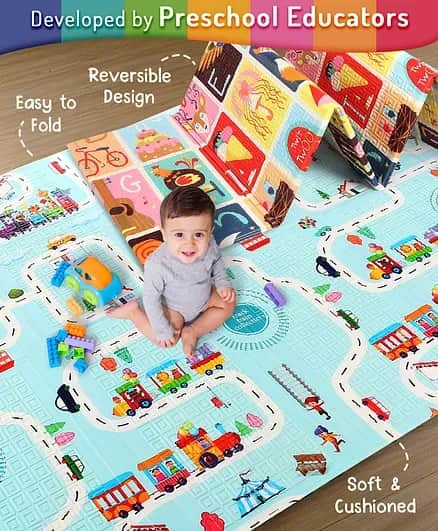
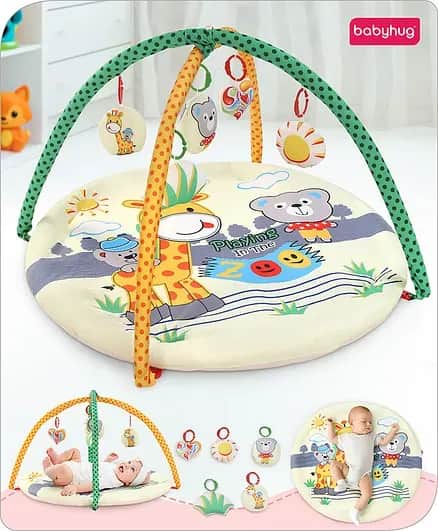
A play gym or mat should be compared with the actual area where it will be used. Check the product's dimensions, the assembly process, included components and the stated use. Consider how it will be stored when not in use and whether the household has enough room to follow the manufacturer's setup guidance.
Read the cleaning instructions before purchase, particularly for parts that will need frequent attention. Check whether components are removable and how they should be maintained. An educational or learning description may indicate the design theme, but it does not guarantee a particular developmental result. Prioritise clear product information and a suitable setting over claims about making progress faster or being right for every child.
Compare value, replacement needs and the final seller details
A fair price comparison needs consistent quantities and sizes. Compare similar pack counts, the number of included components or the dimensions of a play item. A lower price may describe a smaller pack or a different variant. Include delivery charges and any other costs that matter to the household, and avoid buying more than you can realistically use just because a bundle appears discounted.
Before ordering, confirm current availability, the selected variant and the seller's return conditions for the product. Keep the order details and relevant instructions. Save a small shortlist if more than one caregiver needs to compare the options. The table below provides recorded prices for reference, while the retailer supplies the current purchase terms. For safety, health or developmental questions, use the relevant manufacturer and qualified professional guidance rather than a general shopping recommendation.