Measure the space and the delivery route
Start with the available floor or surface space, but also measure the route an item must travel to get there. Doorways, lifts, stairs, corners and corridors can affect a furniture delivery. A product's assembled dimensions and the dimensions of its delivery boxes are different pieces of information. Ask for both when access could be tight.
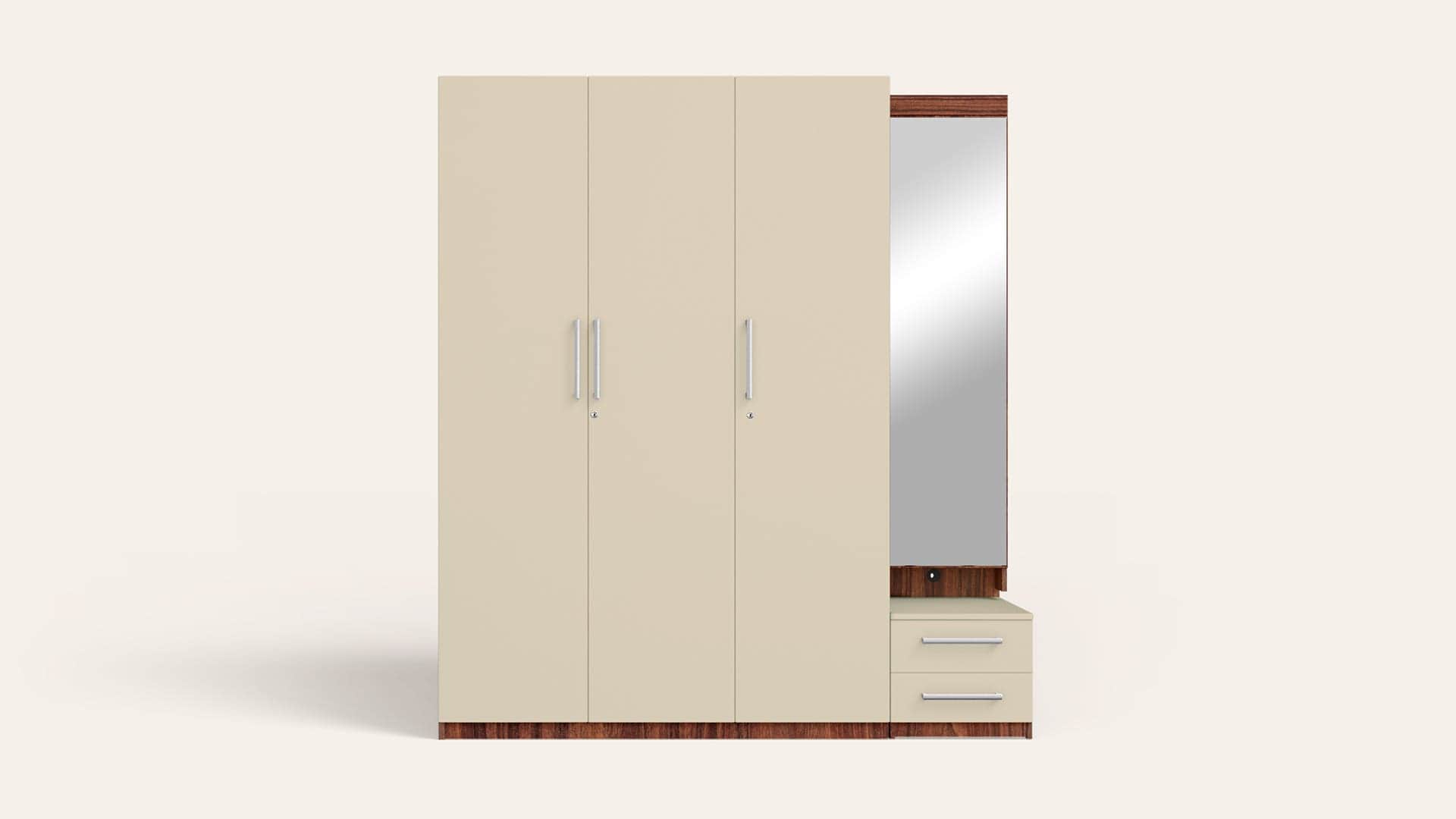
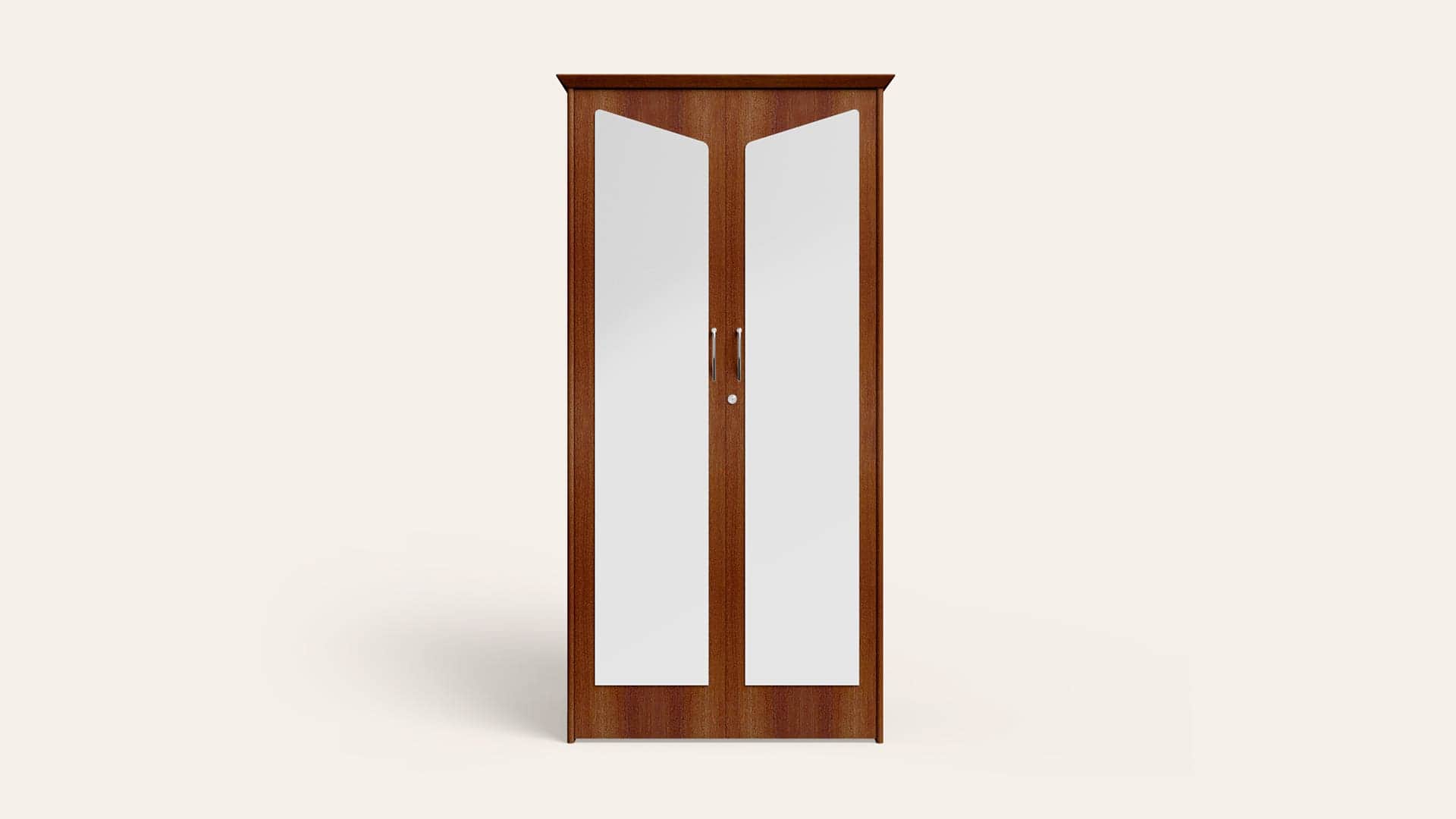
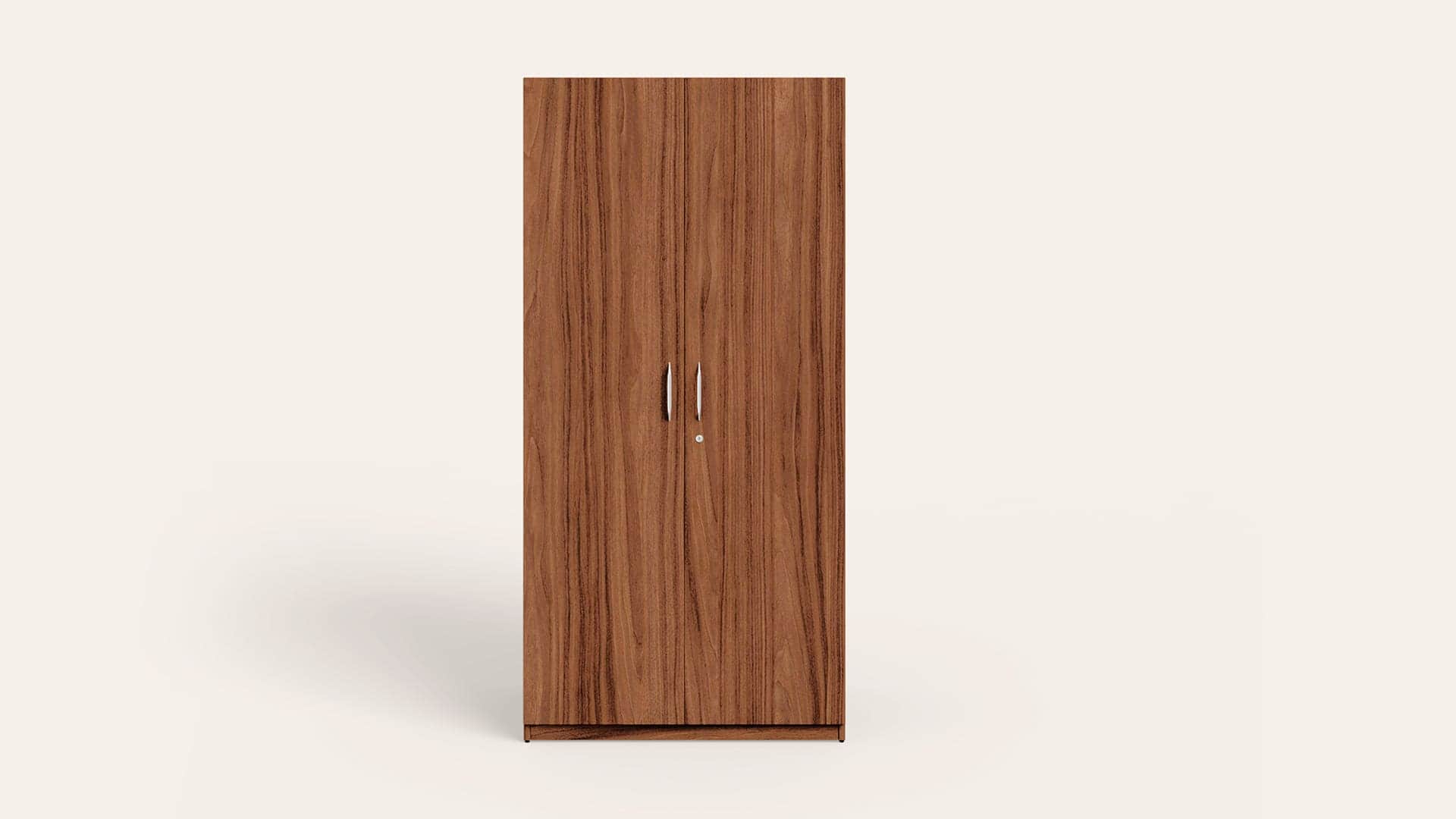
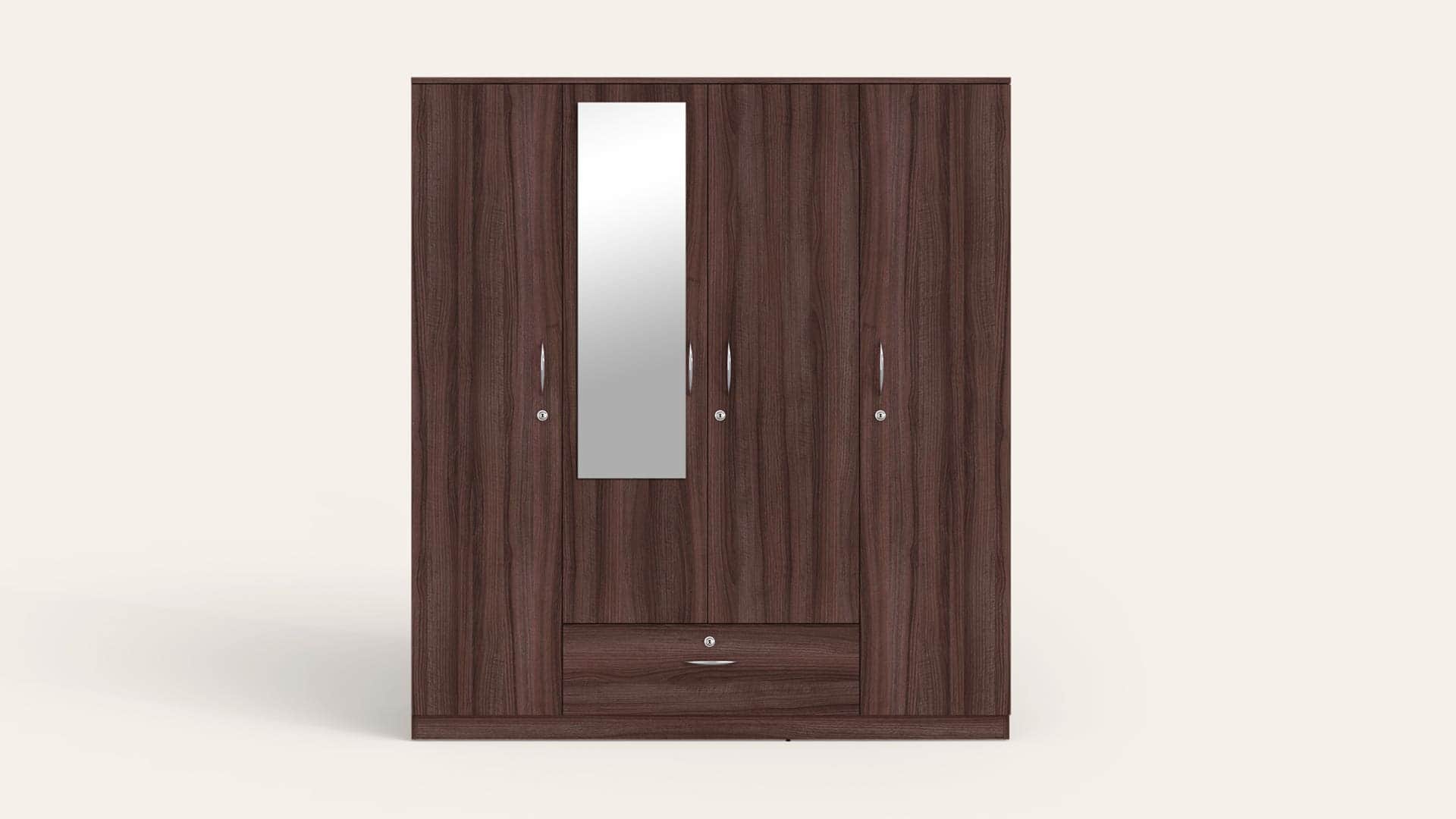
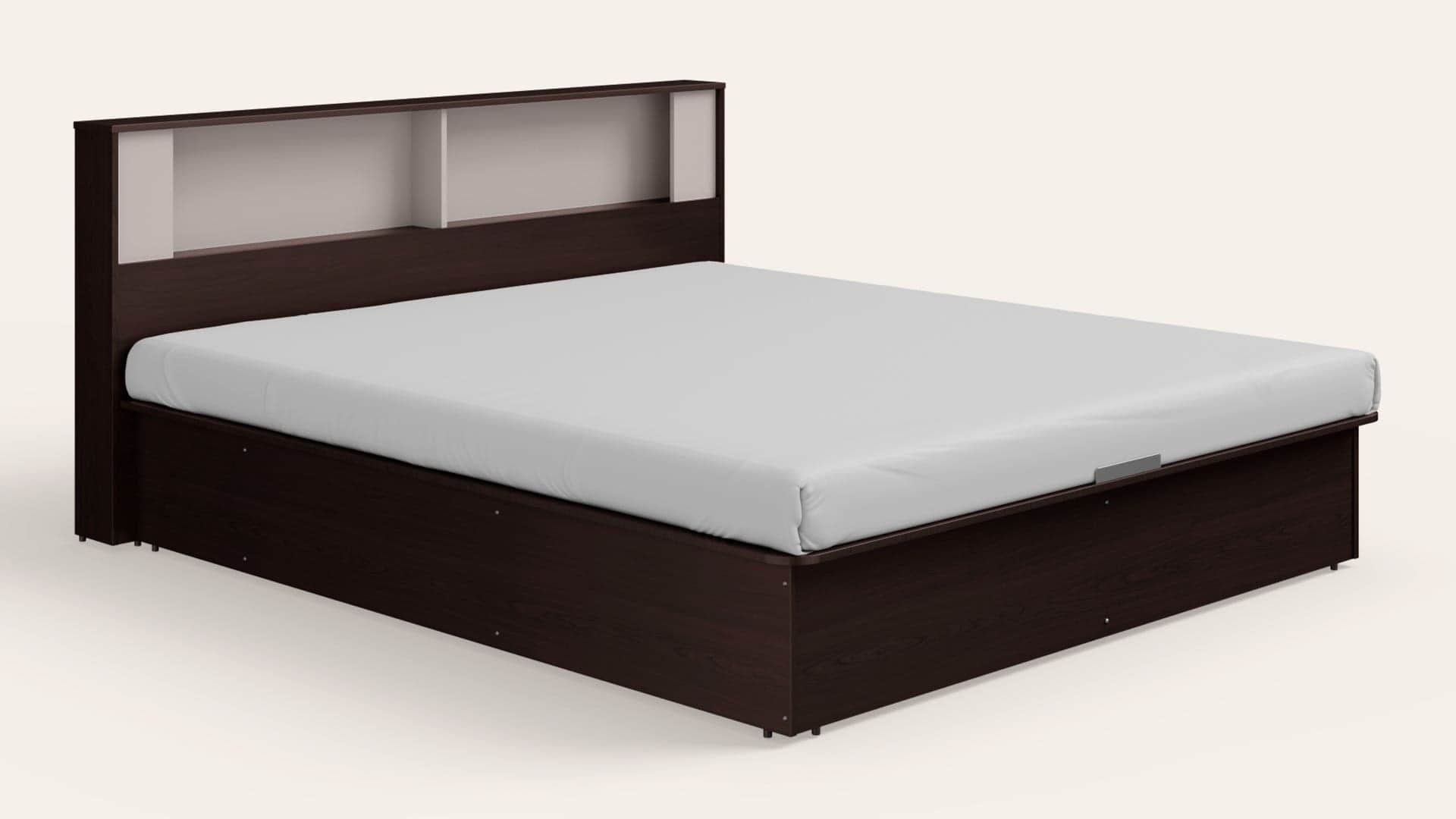
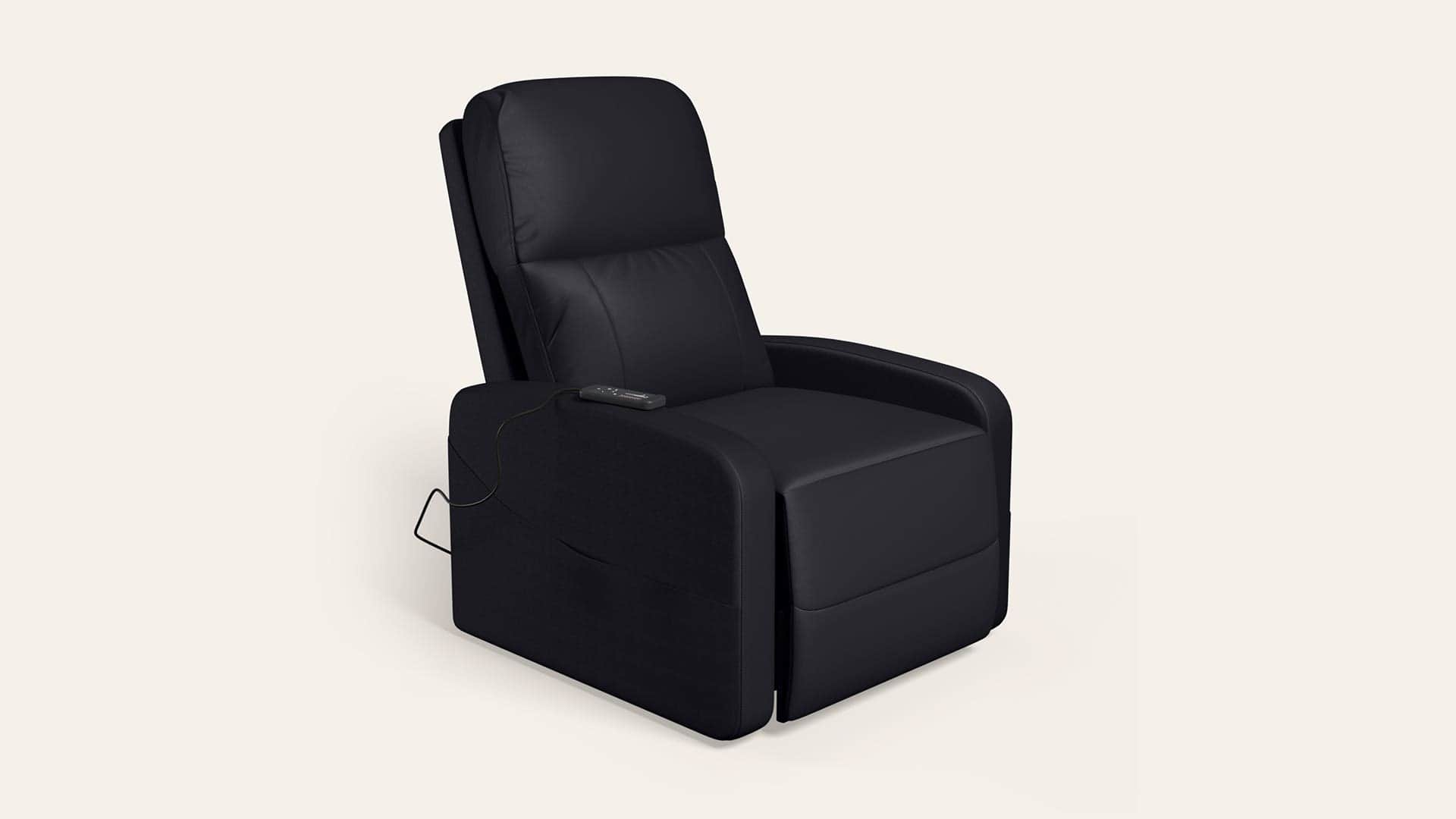
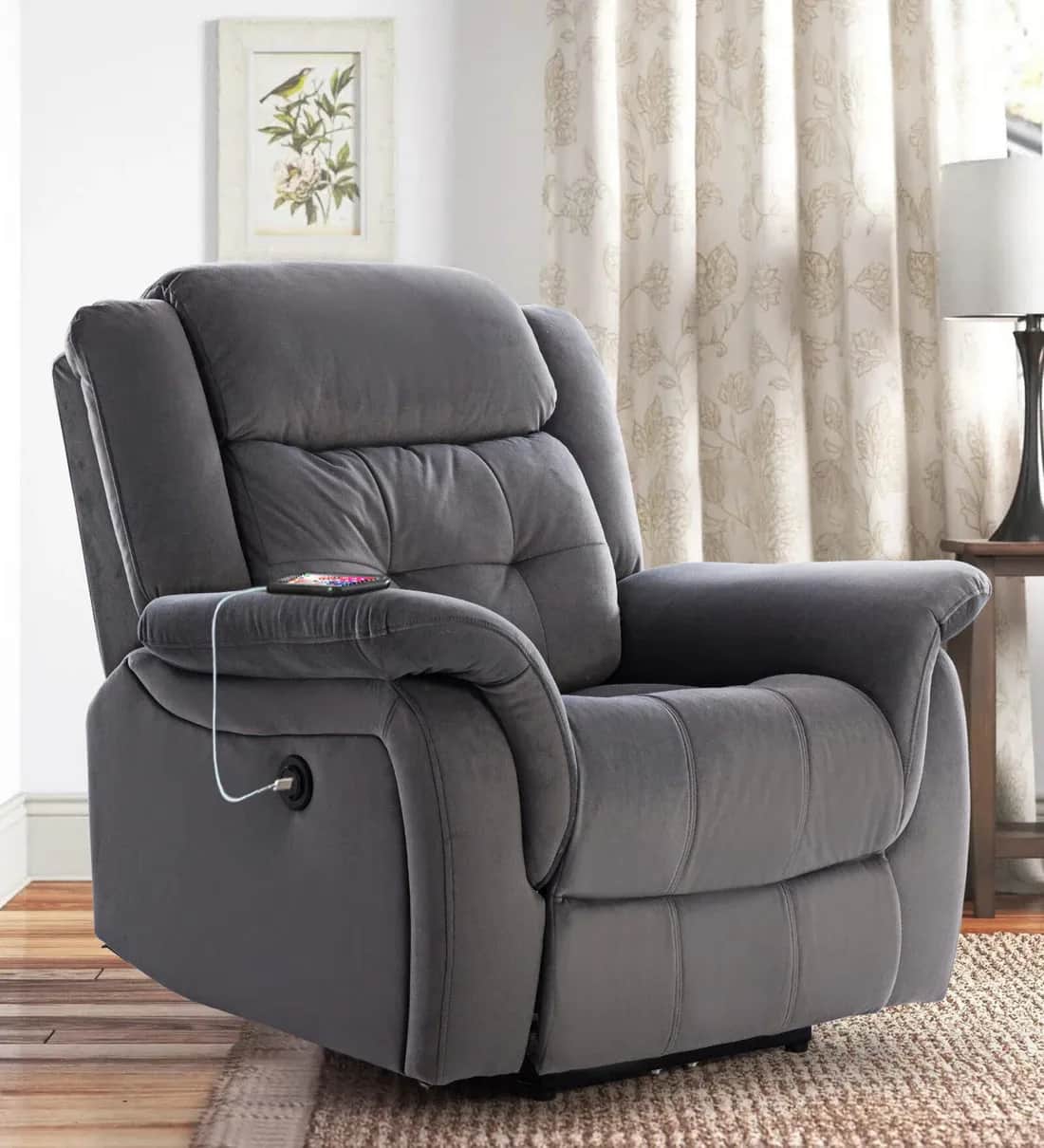
Leave room for use, not just placement. A wardrobe needs space for its doors and drawers; a recliner may need additional clearance when opened; a bed can change the space available to move around the room. Mark the dimensions on the floor if that helps you visualise the footprint. For appliances, check the space around the item required by the manufacturer. A product that physically fits into a gap may still lack the clearance needed for normal operation.
Compare furniture materials and construction details
Wood, engineered wood, fabric upholstery and synthetic leather describe different aspects of furniture. Read the full material statement, construction information and care requirements. A wooden appearance does not establish the underlying material, and an upholstery name does not describe the frame, padding or mechanism. Compare the specification of the whole item rather than relying on one word in the title.
Look at the hardware and moving parts where relevant. Doors, hinges, runners and reclining mechanisms affect day-to-day use, but photographs alone may not provide enough information to evaluate them. Check any stated load limits and assembly instructions. Do not assume a heavier or more expensive item is automatically better suited to your space. Where a specification matters to your decision and is missing, ask the retailer before committing to a bulky purchase.
Choose storage around what you actually need to organise
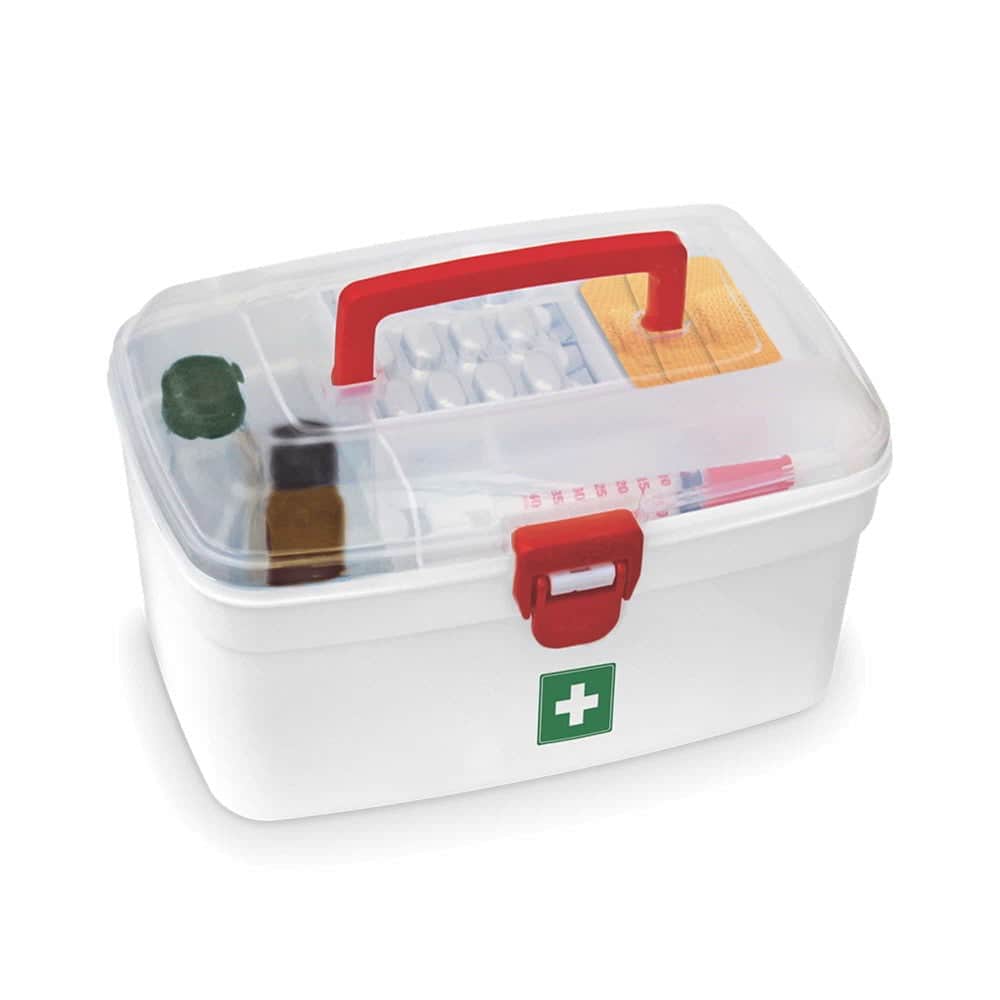
A wardrobe, kitchen container and small medical box solve very different storage problems. List the items you intend to store and compare the usable internal dimensions, not only the overall footprint. For a wardrobe, look at the balance between hanging space, shelves and drawers. For smaller storage, check compartments, closures and whether the contents will be easy to access.
Consider how the item opens in its planned position. A door can clash with a nearby bed or wall, and a container can become inconvenient if its lid needs more clearance than the shelf allows. Follow any installation or anchoring guidance for furniture, especially where children may be present. A storage label or photograph does not establish that an item is lockable, child-resistant or suitable for holding particular sensitive contents.
Compare kitchen appliances by the task and the full specification
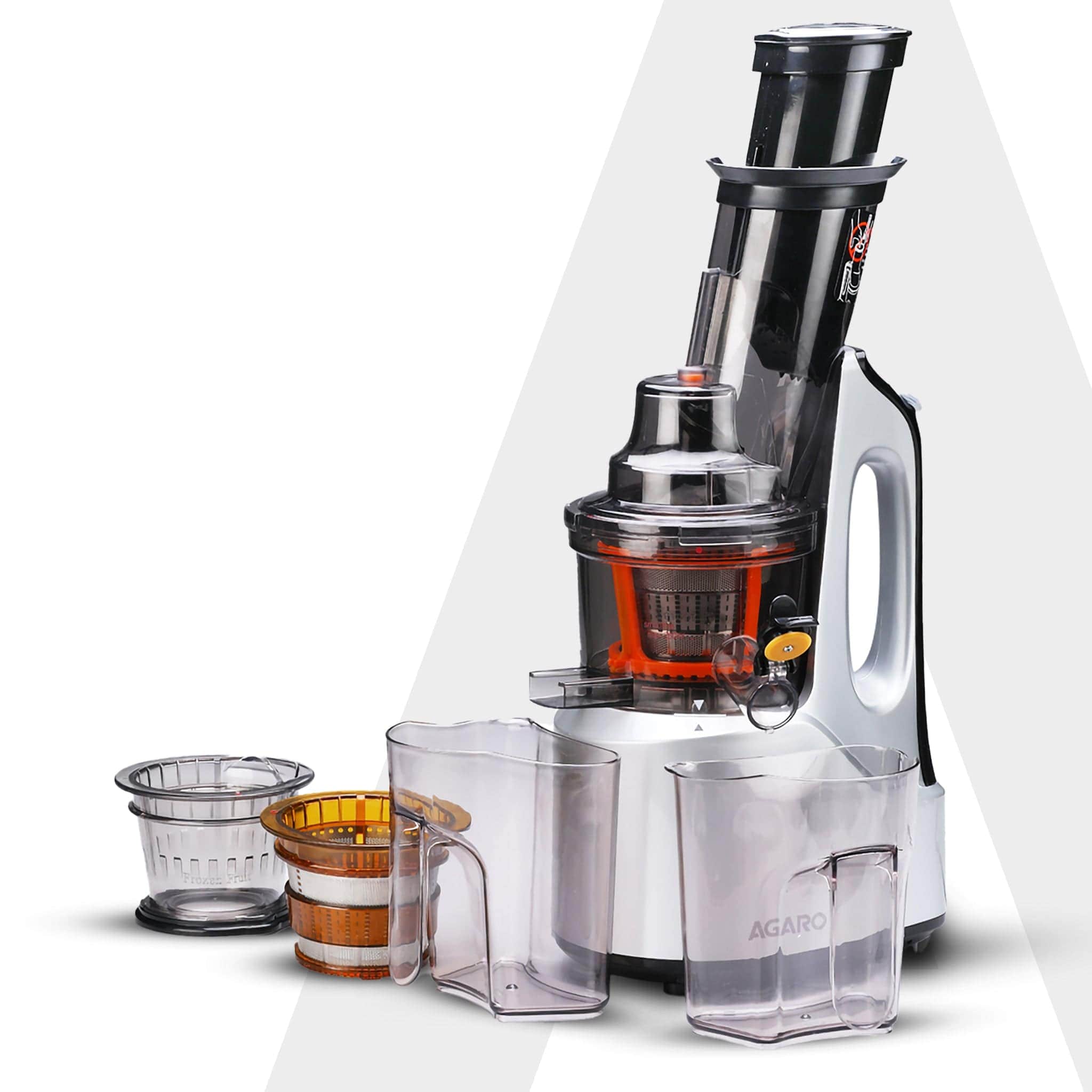
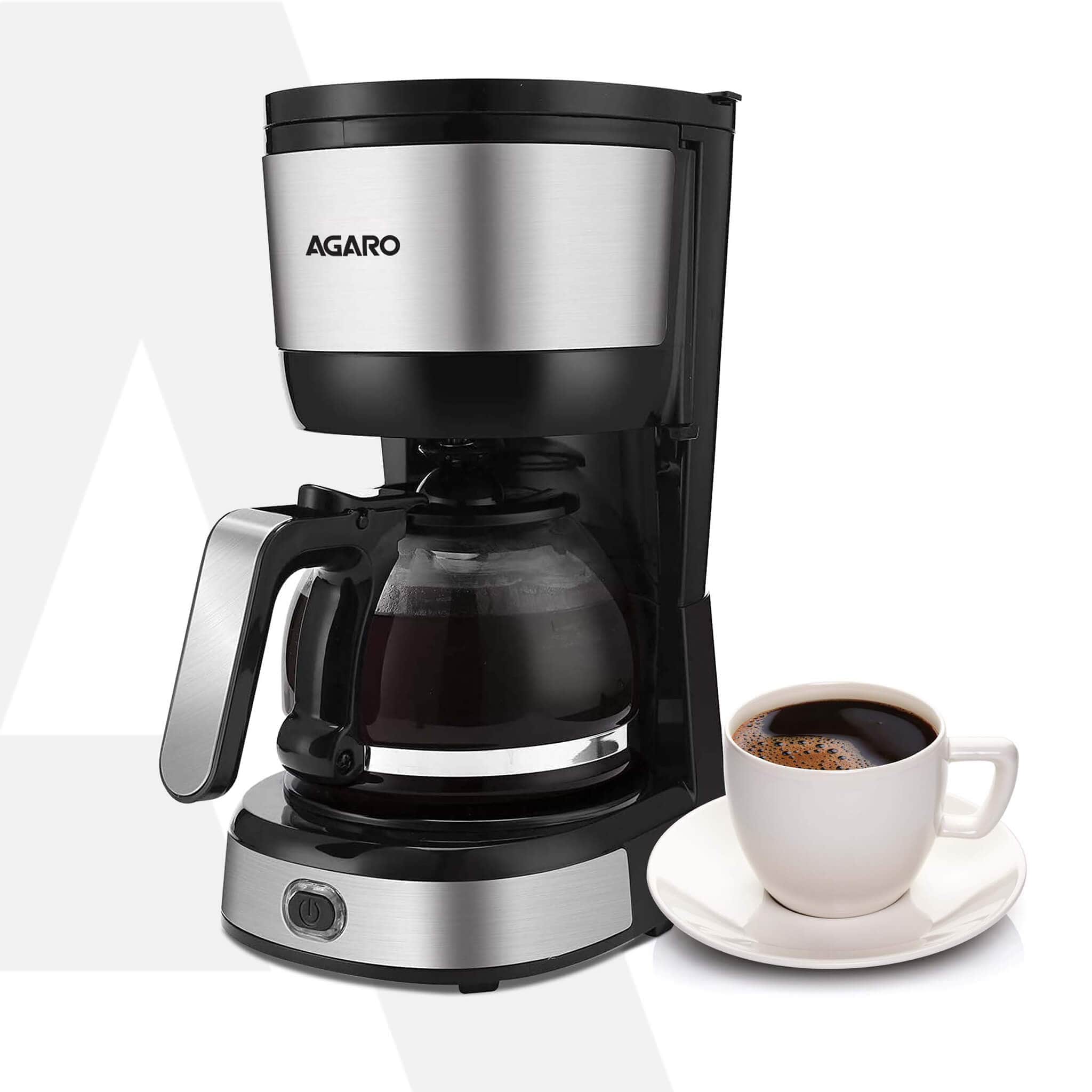
For a coffee maker, juicer or another kitchen appliance, begin with the amount and type of preparation you expect to do. Compare the stated capacity, included accessories, controls, cleaning process and space needed to store the components. A headline power figure is only one specification and should not be used alone to decide performance or convenience.
Read the instructions and any limitations on ingredients, operating time or cleaning. Check which parts are removable and what the manufacturer says about washing them. Compare the warranty and service information supplied for the item, and confirm electrical and installation requirements where relevant. A collection recommendation can help you shortlist an appliance, but it does not replace the manual or establish results for every kitchen or recipe.
Read household and cleaning-product directions
A floor cleaner, laundry product or specialised liquid should be compared by its stated use, quantity, directions and compatibility information. Do not assume a general cleaning label makes a product suitable for every surface or fabric. Check the manufacturer's instructions and any warnings before deciding that it fits your household routine.
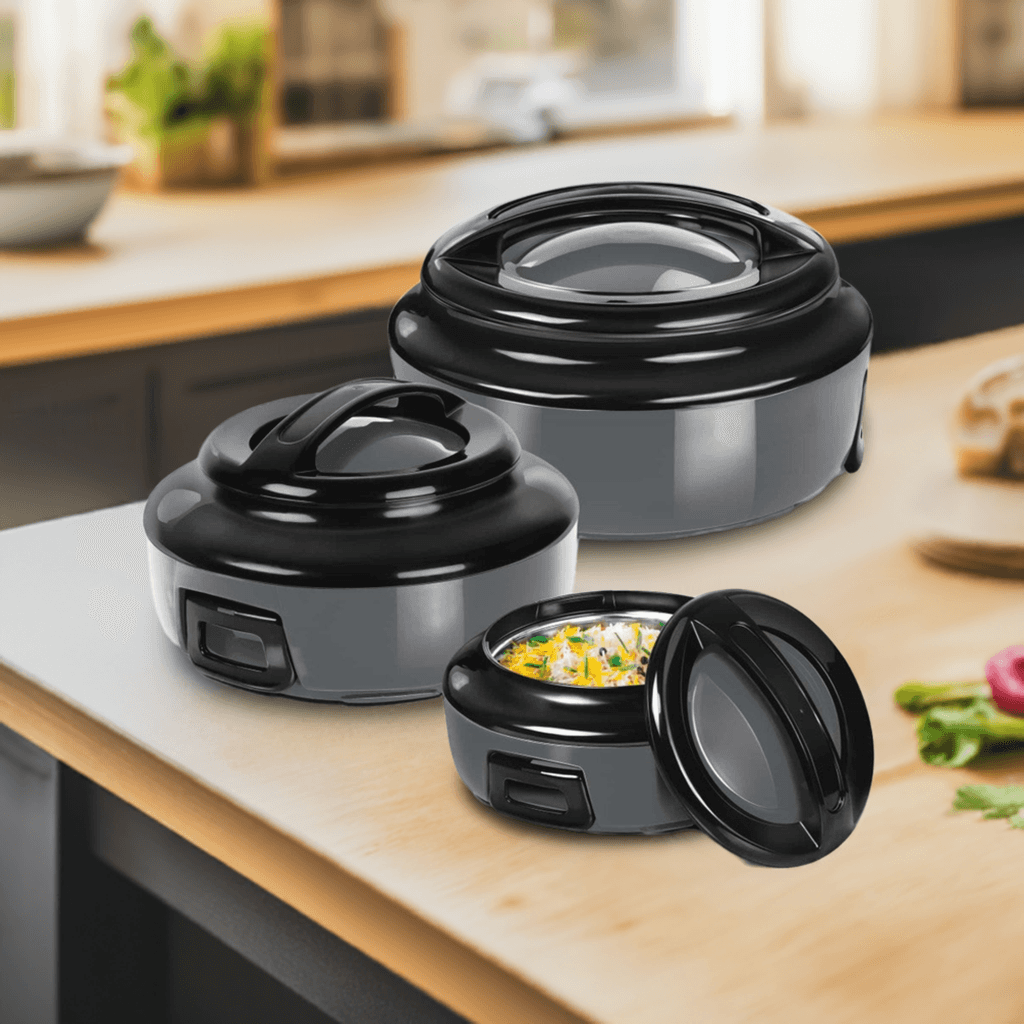
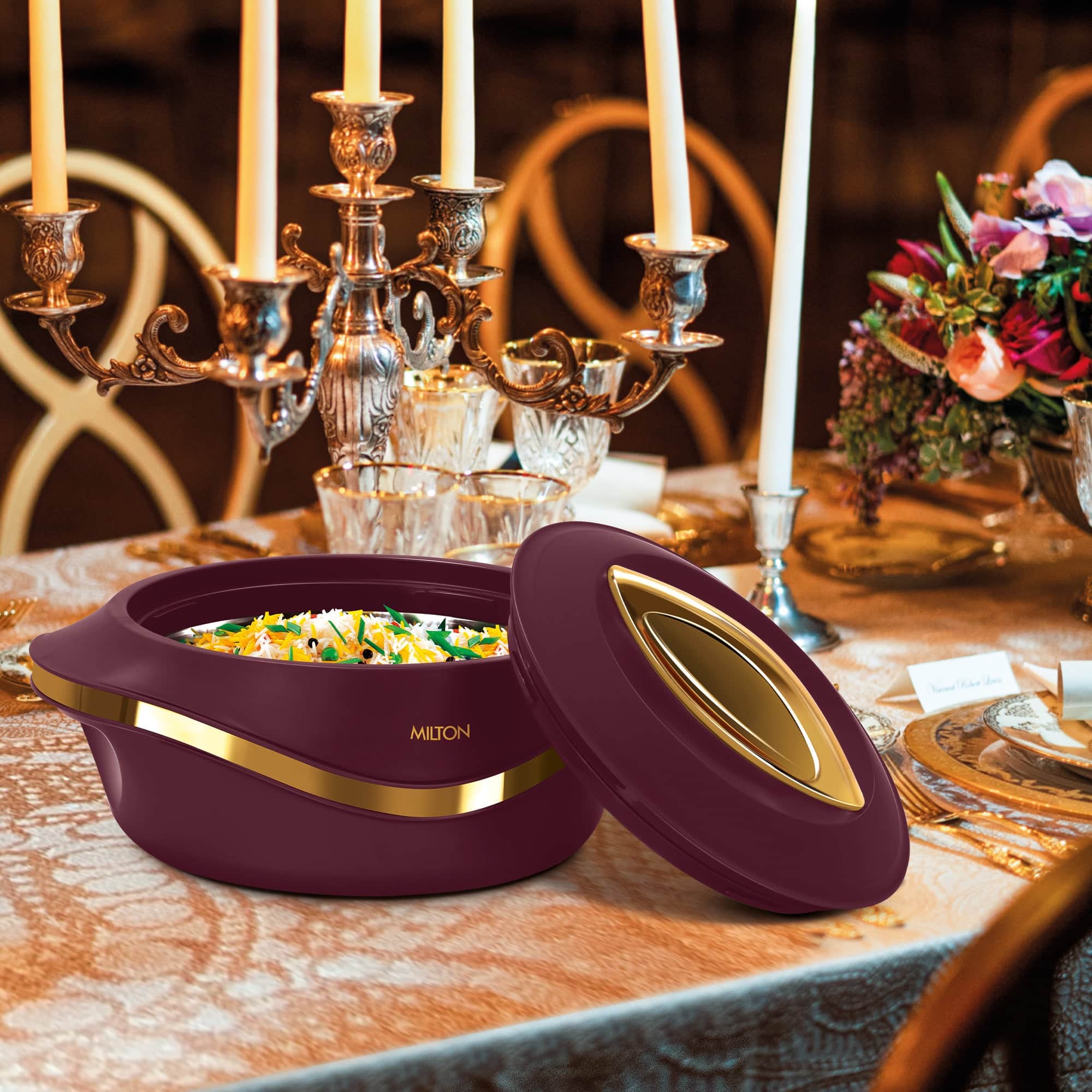
Work out value using the relevant quantity and the stated usage guidance, rather than the bottle's appearance or a bundle label. A multi-product pack only helps if you need its components. Follow storage and handling instructions, and do not invent mixtures or additional uses from a promotional description. When comparing containers or kitchen storage, also check the uses and care methods the manufacturer actually states instead of assuming suitability for heat, microwaves or dishwashers.
Include delivery, installation and after-purchase care in the cost
For large furniture, the total decision can include delivery access, assembly, installation, packaging removal and the handling of a problem after arrival. Check what the seller includes and what it charges separately. A return process for a bulky item can differ from one for a small household product, so read the terms for the actual listing.
Use the recorded price table to organise a shortlist, then compare the current specification and total payable amount with the retailer. On delivery, inspect the item according to the seller's process and keep the relevant order and warranty information. Think about the maintenance you are willing to do over time. The best fit for your home is an item whose dimensions, use and upkeep make sense together, not simply the one with the strongest visual impact or largest apparent discount.