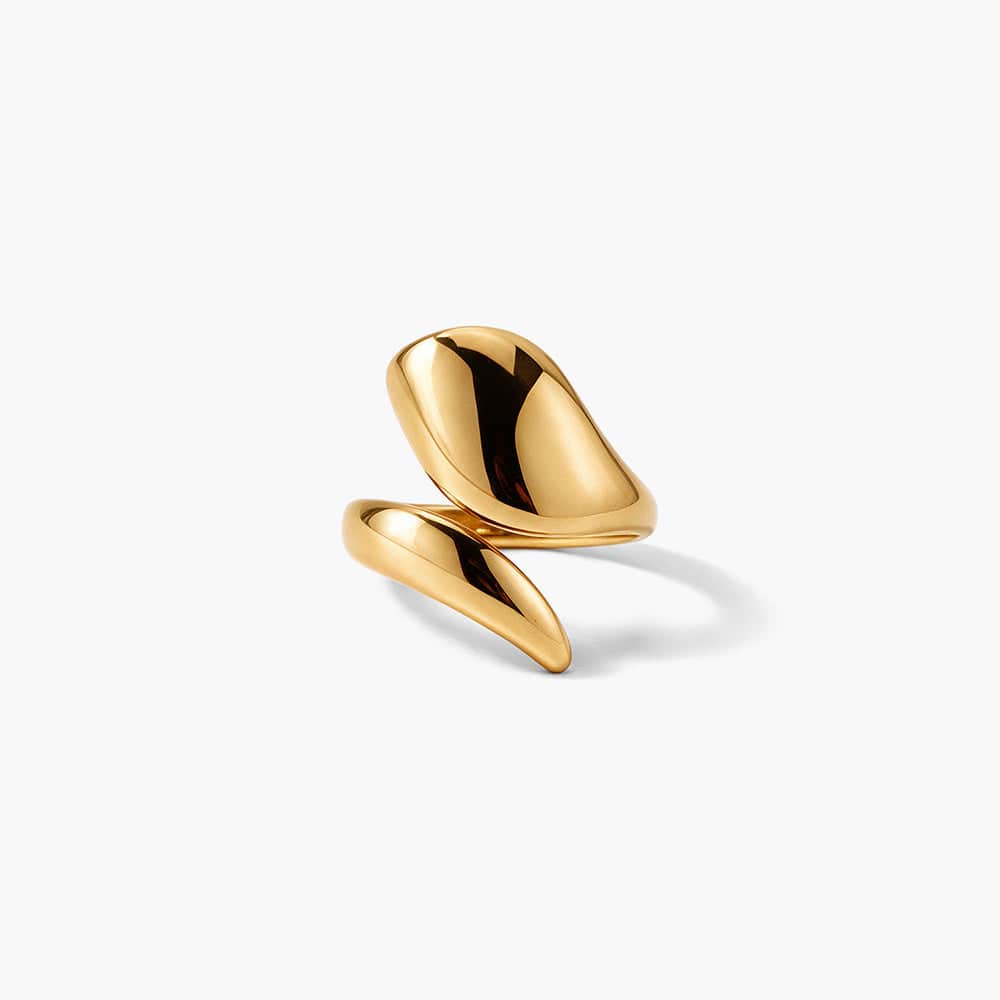
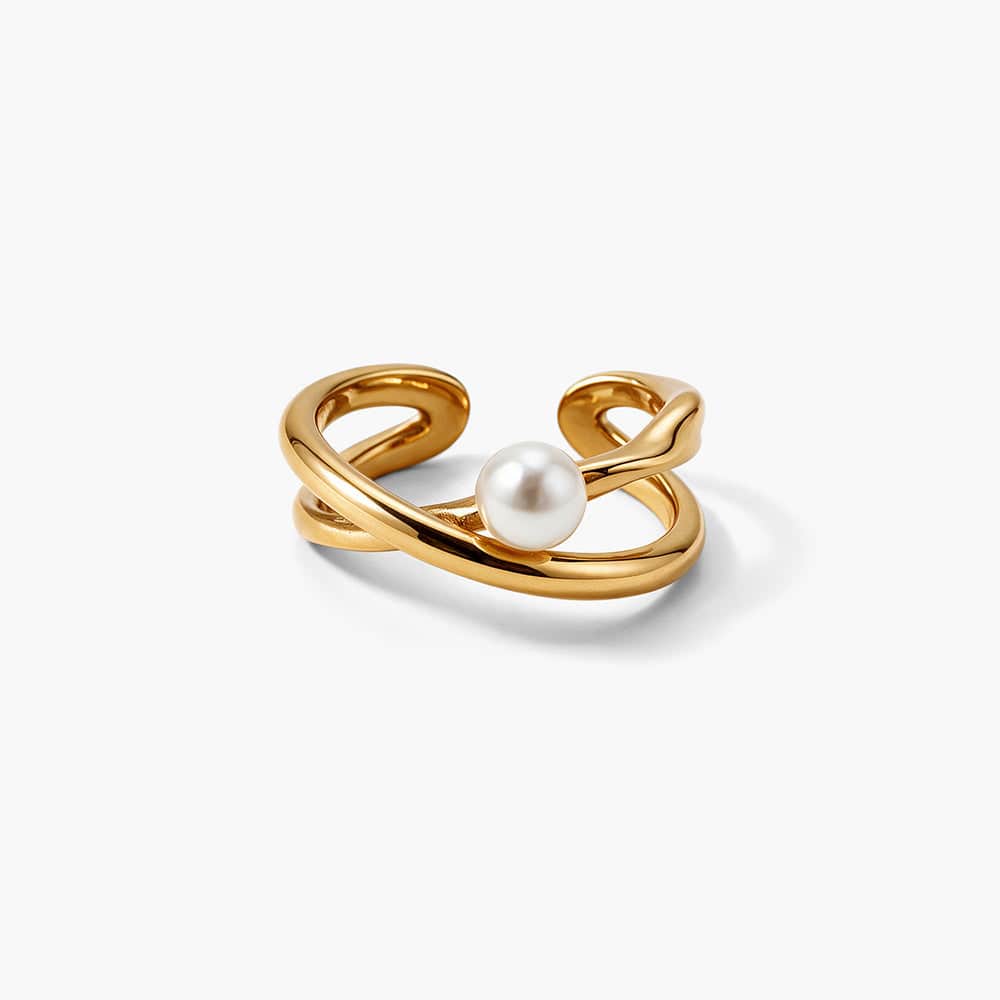
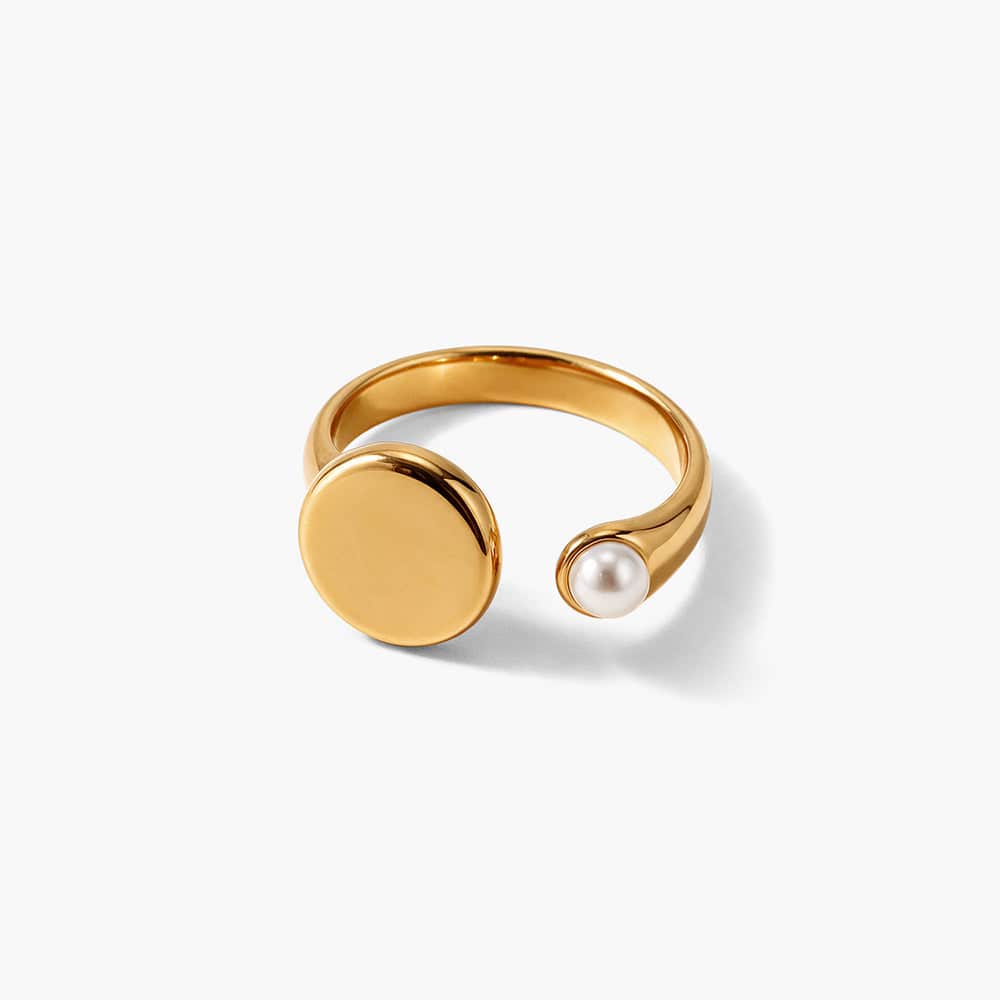
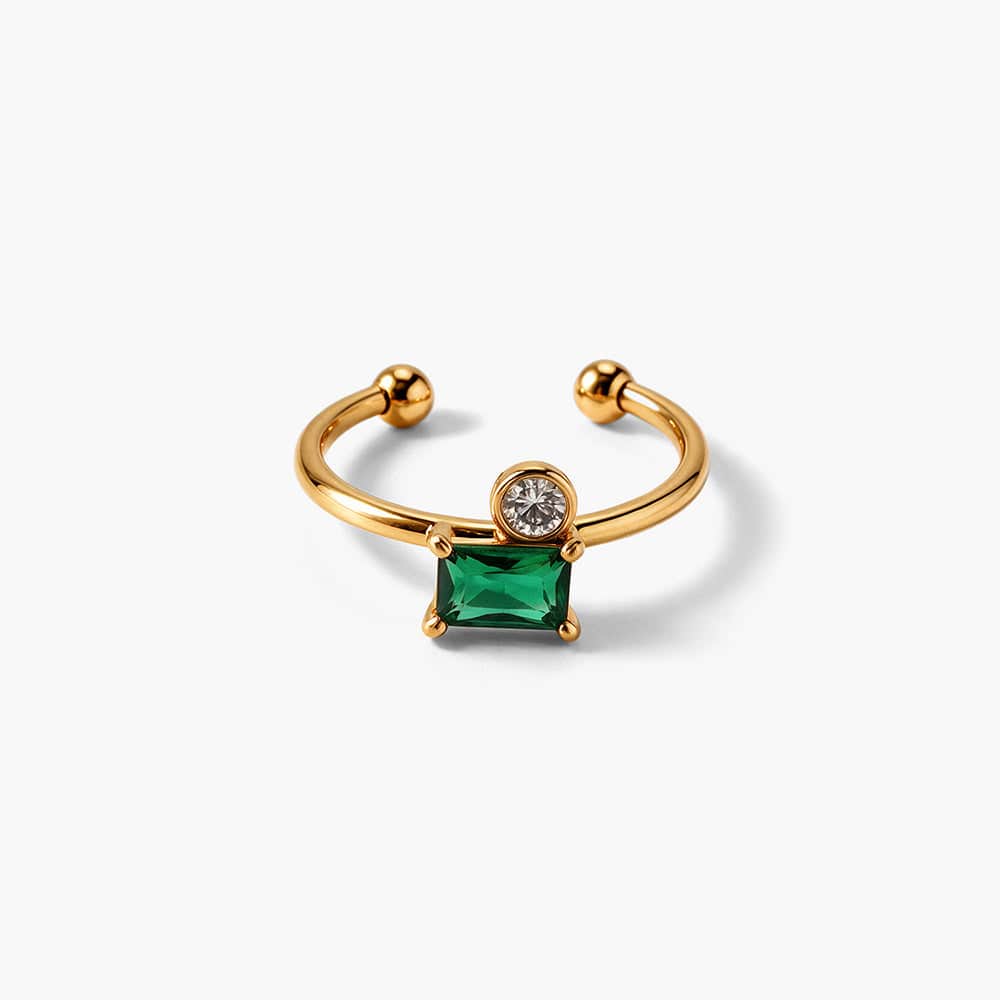
Choose the type of piece before choosing a design
Rings, earrings and necklaces need different checks. A ring requires attention to size, band shape and any adjustment mechanism. Earrings need a look at dimensions, weight and fastening, while necklaces need a stated length and information about the clasp. Begin with the type that solves your styling need, then use the quick choices to compare a smaller group.
Think about how often and where you will wear the piece. A statement design for an event and a compact everyday item may have very different requirements. If you are shopping for a gift, consider whether you know the recipient's size and material preferences. Choosing a style with less sizing uncertainty can be useful, but do not assume an adjustable design fits every person or can be adjusted repeatedly without affecting its condition.
Separate base material, finish and decorative details
A jewelry description can name a base metal, a surface finish and decorative elements in the same sentence. These are different facts. Stainless steel or alloy may describe the underlying material; gold tone or a plated finish describes something else. A gold-coloured item should not be treated as solid gold, and a named colour or stone-like detail is not evidence of precious-metal content or gemstone certification.
Read the seller's exact material statement and any supporting specifications. If a description uses crystal, pearl, ruby or emerald as part of a design name, check whether the listing explains what the decorative component actually is. Do not infer a natural or precious stone from the title alone. Where material or authenticity is central to the price you are willing to pay, ask the retailer for the relevant documentation before purchasing.
Compare ring sizing and cuff-style construction
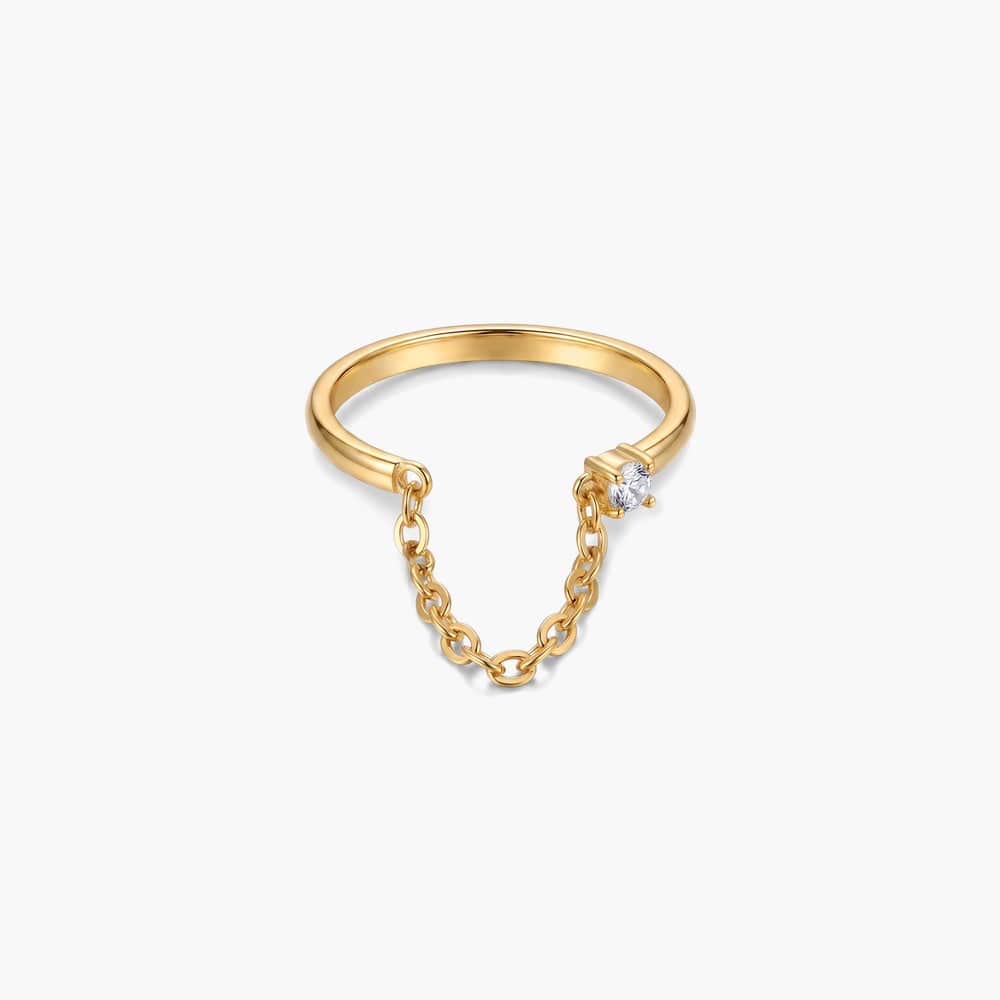
For a fixed-size ring, use the retailer's sizing chart and the measuring method it specifies. Ring sizes are not interchangeable with a visual guess from a product image. Check the band width and shape as well as the stated size, and consider which finger you intend to wear it on. If you are buying for someone else, make sure you have suitable size information before choosing a fixed band.
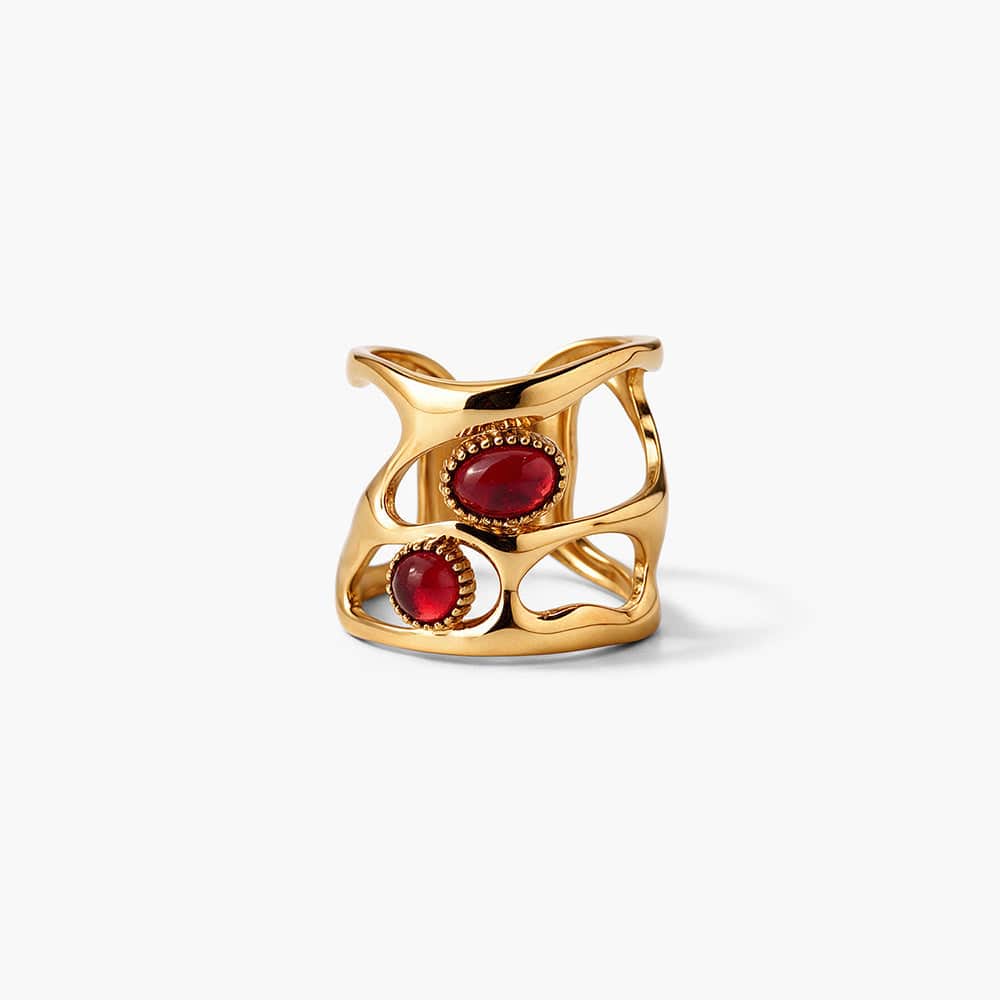
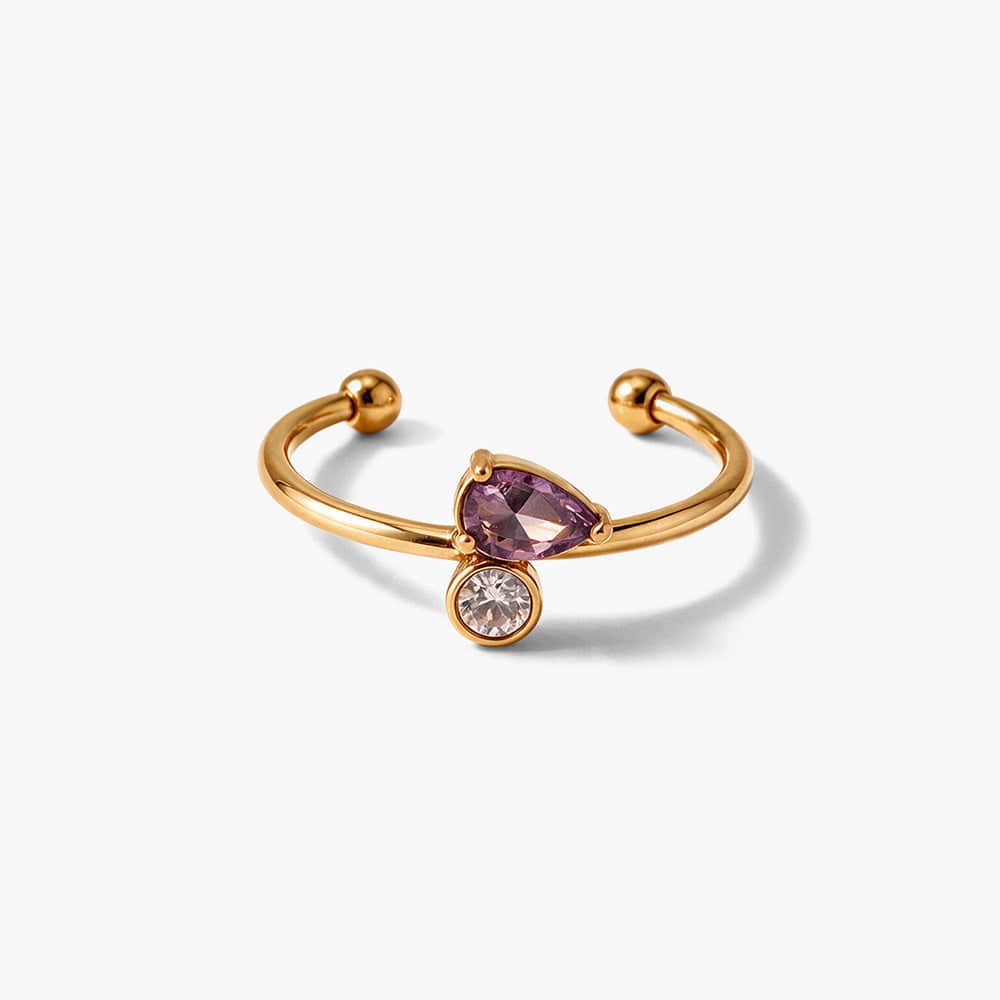
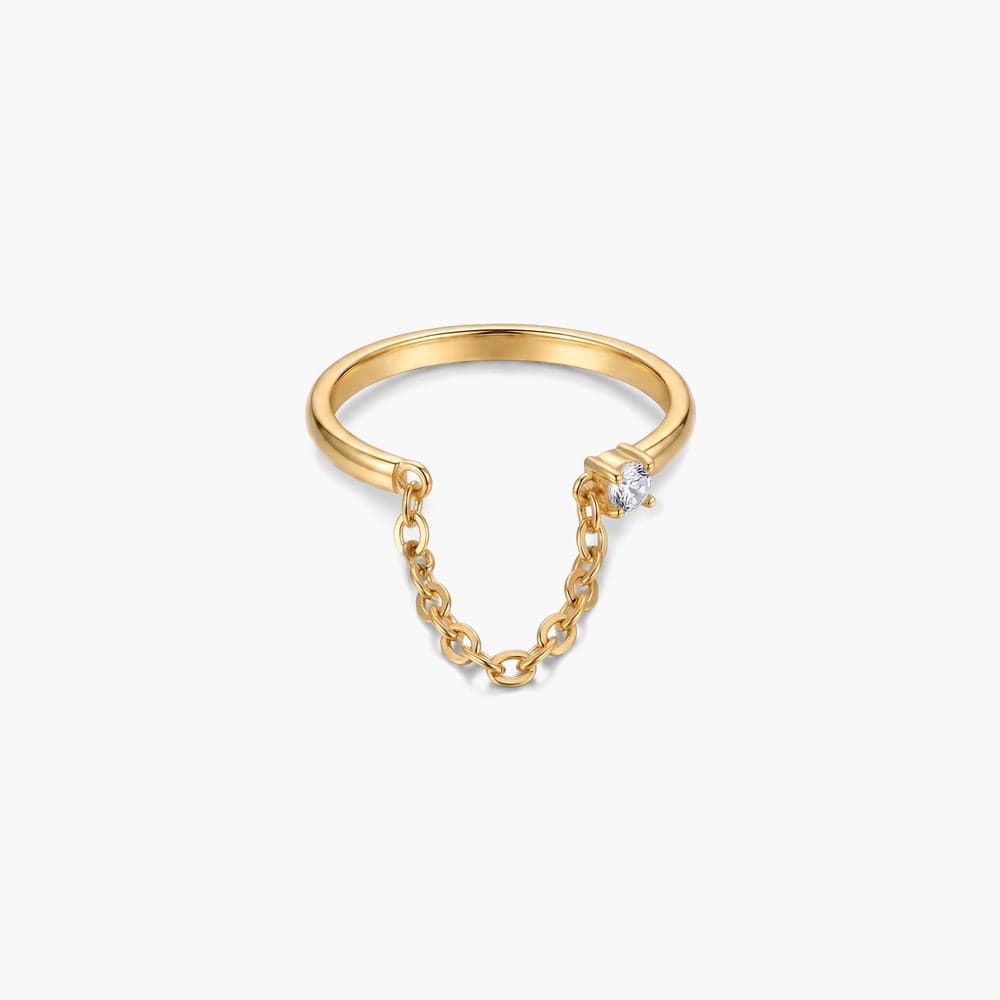
For cuff or adjustable designs, read the stated range and adjustment guidance. The presence of an opening does not establish how far a ring can safely be altered or how it will feel in daily use. Inspect how decorative parts are positioned around the band. If sizing information is absent, an adjustable label should be treated as a question to investigate, not as a universal-fit guarantee.
Check earring weight, necklace length and outfit proportions
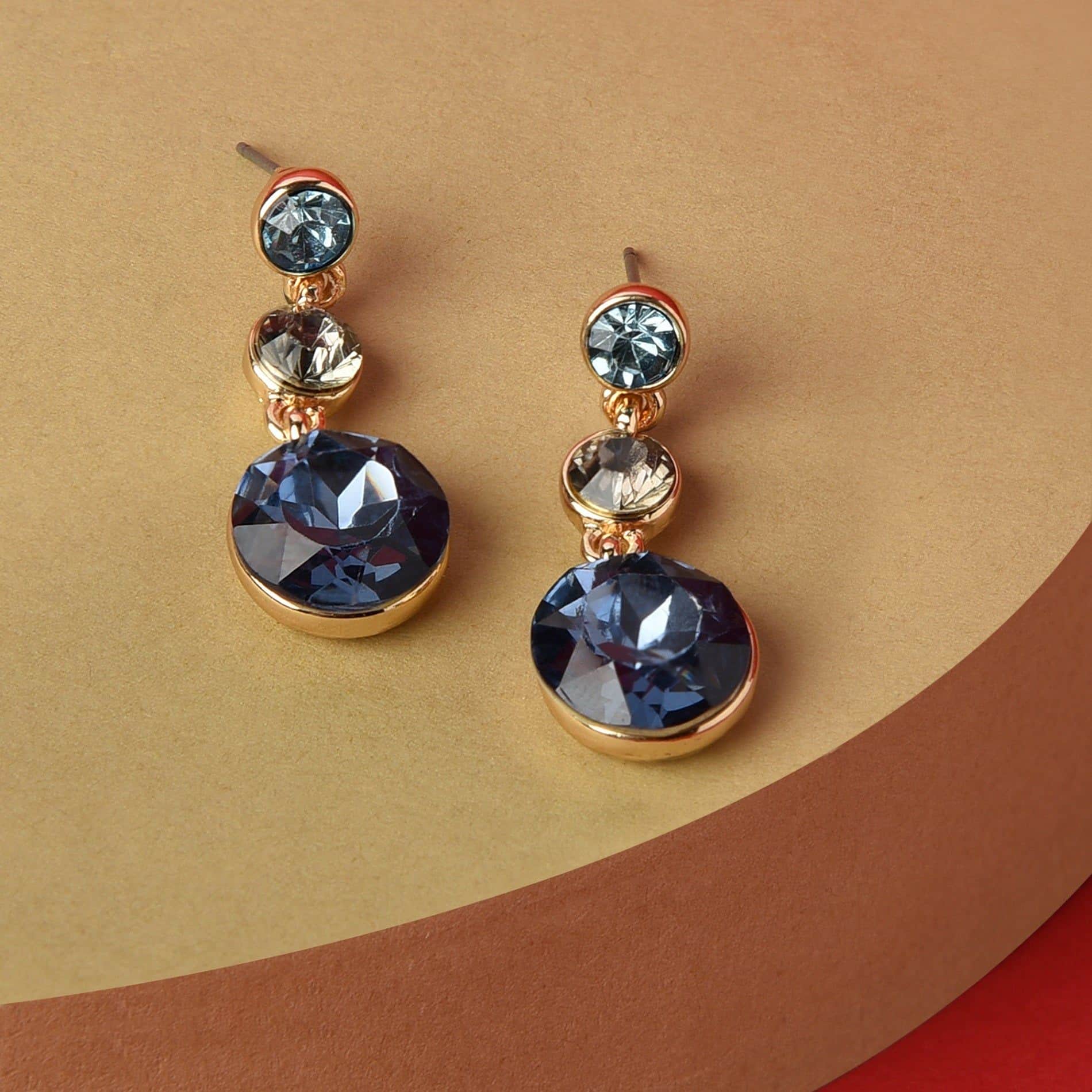
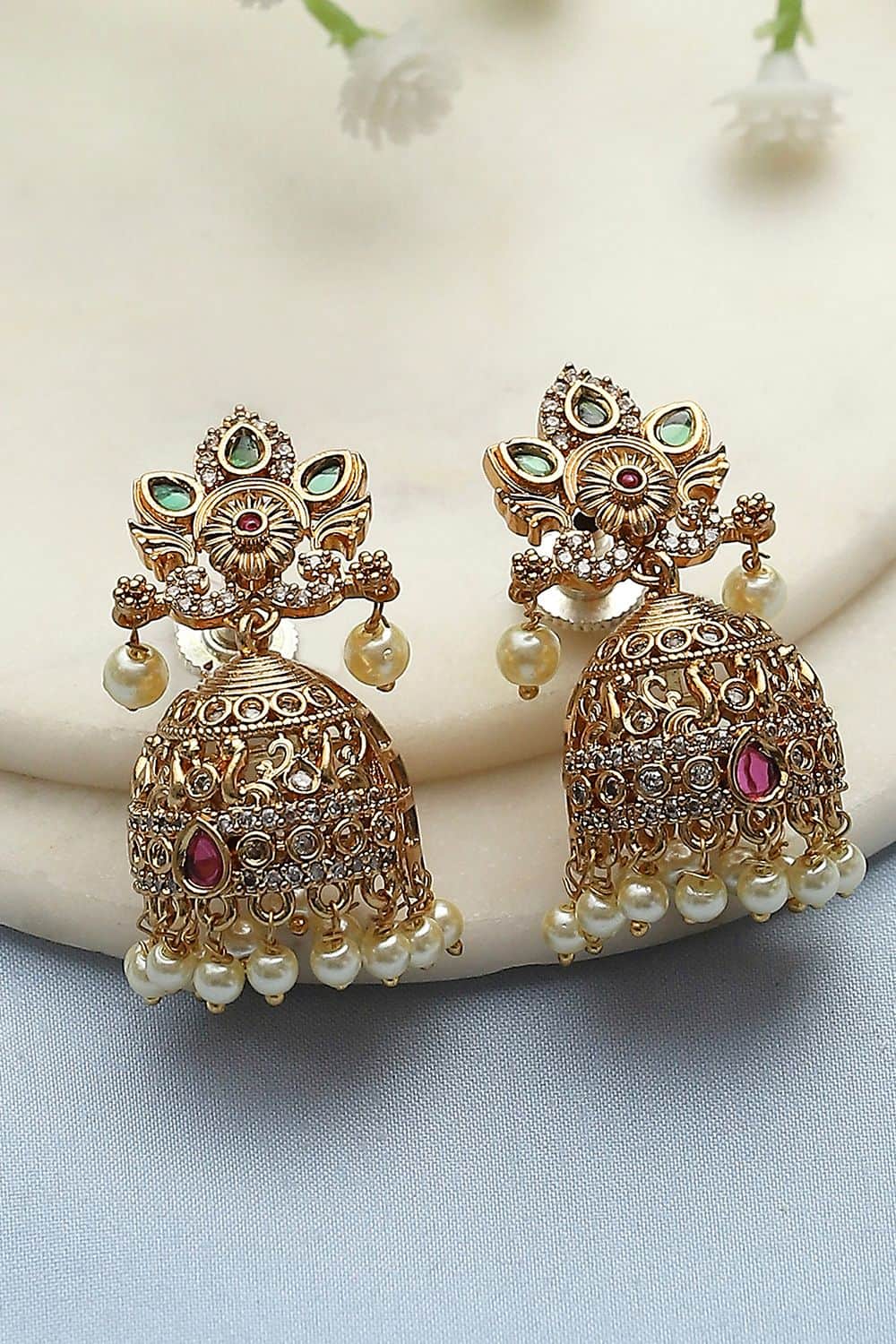
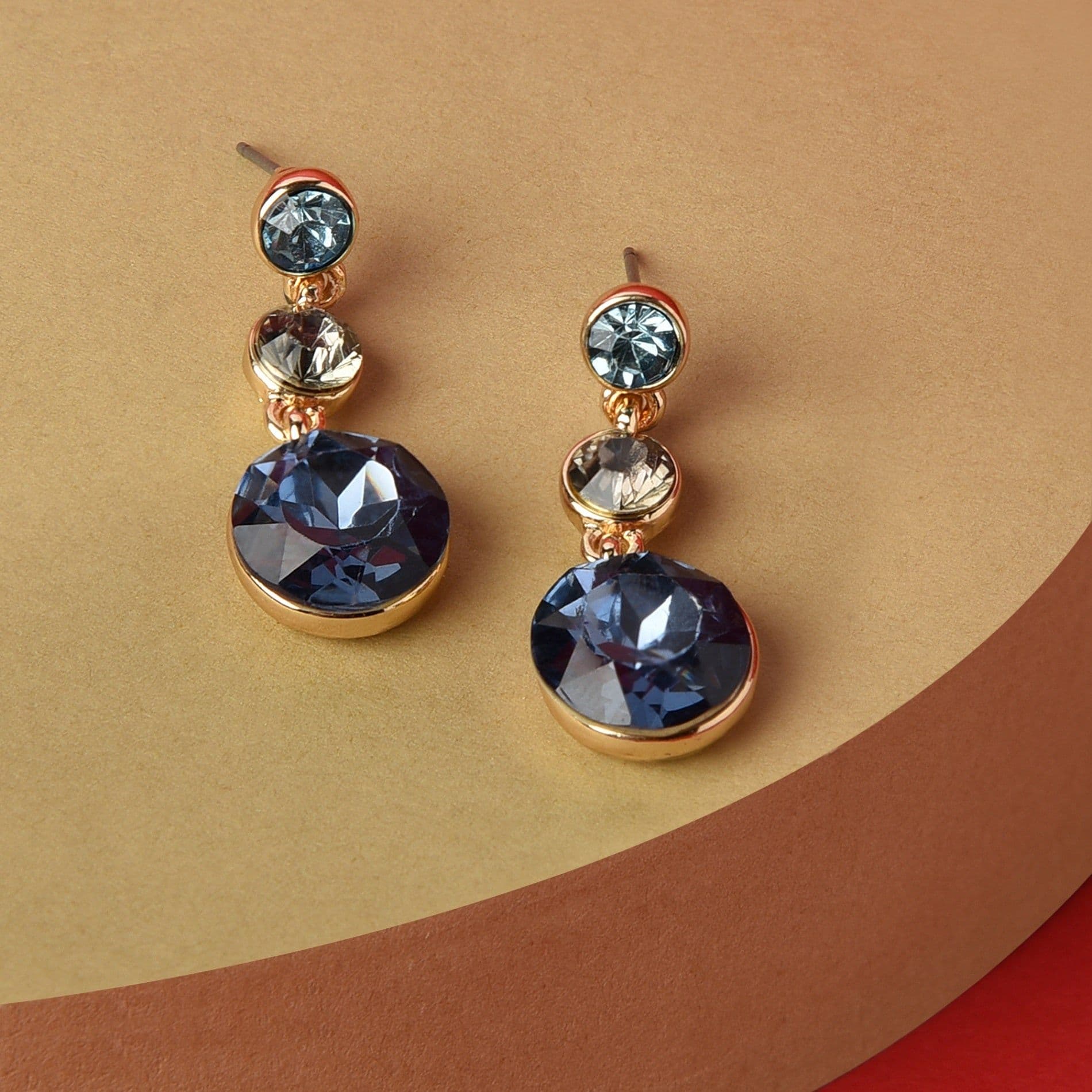
For earrings, compare the stated dimensions and weight if provided, then inspect the closure. A drop, hoop, stud or jhumka can occupy a different amount of space even when photographs make them look similar. If comfort over several hours matters, missing weight information is worth asking about. A dramatic appearance does not tell you whether a particular pair will feel comfortable to you.
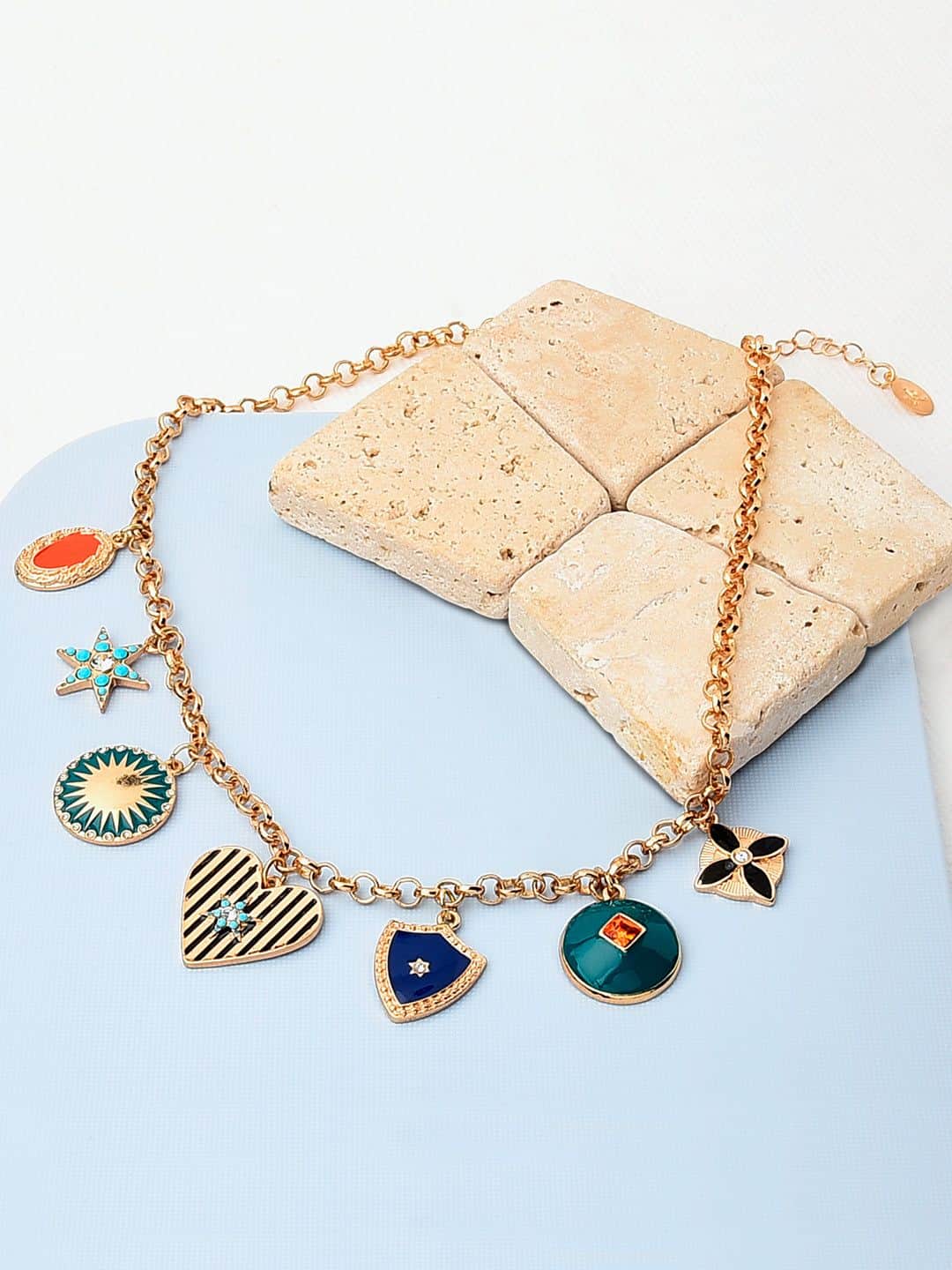
For necklaces, check chain length, extension length and clasp details. Think about the neckline and other accessories you plan to wear, and use a tape measure or a necklace you own to visualise the proportions. When combining pieces, compare their scale rather than assuming a matching colour makes every pairing work. The women's and broader fashion collections can provide outfit context while you keep the jewelry specifications separate.
Match the care requirements with your routine
Read the retailer's care instructions before deciding that a piece suits everyday wear. A finish may come with directions about water, cosmetics, storage or cleaning, and those directions should apply to the actual item. Do not assume a material name establishes resistance to tarnishing, scratches or every type of exposure. Terms such as waterproof need to be understood in the context of the seller's stated conditions.
If you have a known metal sensitivity, use the complete material information and appropriate professional advice rather than treating a broad marketing label as a guarantee. Ask about unspecified components that touch the skin, including posts or fastenings. Store and clean the item according to its instructions. Keeping the packaging or care note can help you identify what the seller actually stated if a question arises later.
Compare price with the specification and intended use
Two visually similar rings or necklaces may differ in material, construction, finish, size and the information supplied about them. Make a short comparison of those details alongside price. A higher amount does not automatically establish precious materials, and a larger discount does not settle whether a piece meets your requirements. Treat the seller's documented specification as the basis for comparison.
The price list below uses amounts recorded for published finds. It is useful for building a budget or comparing options, but it does not certify material value or promise a current offer. Check the retailer for the selected variant, availability, delivery and return terms. For gifts, also check packaging and exchange conditions. Save a few realistic alternatives so that you can compare their details without losing track of why each one made the shortlist.