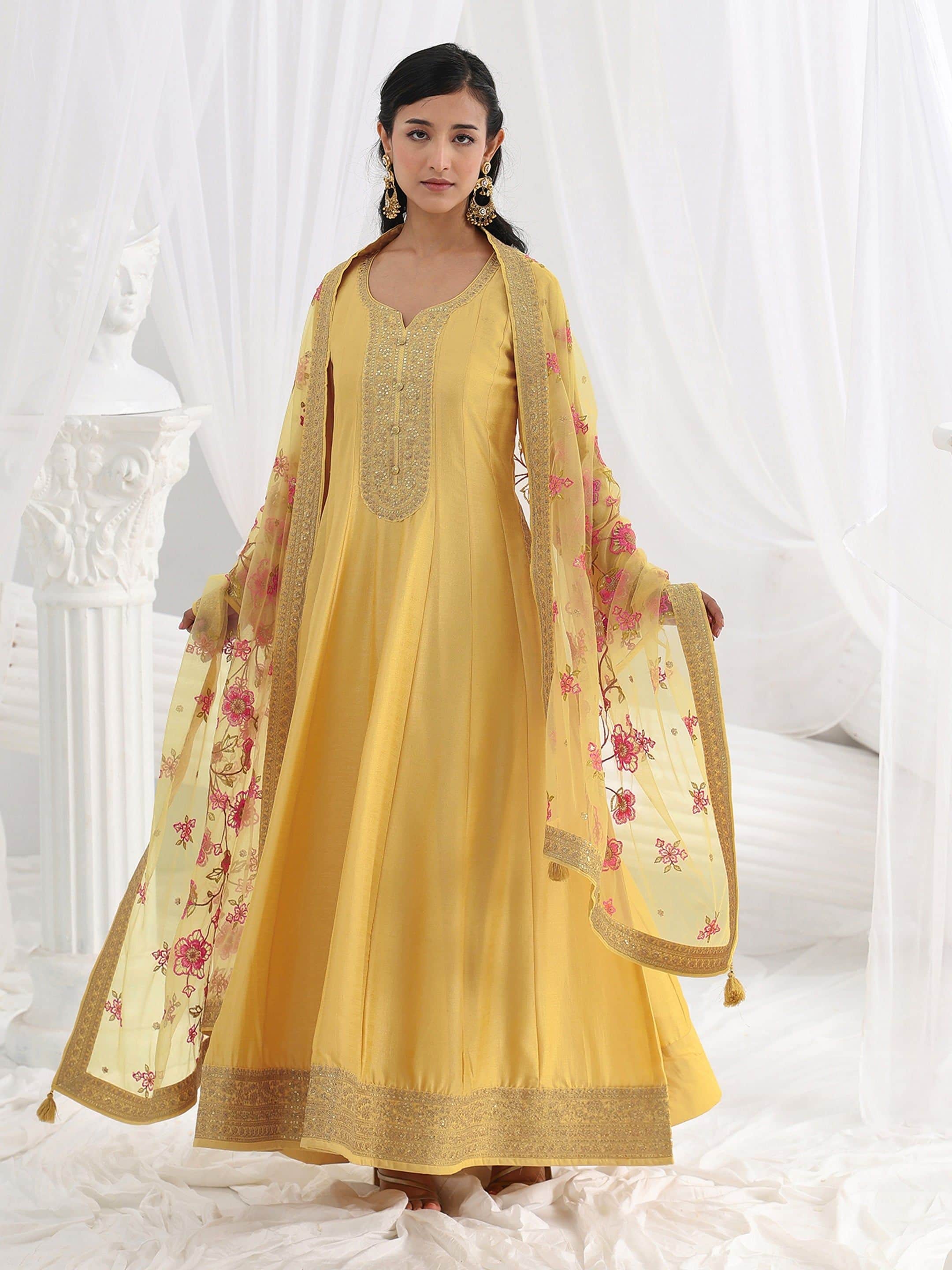
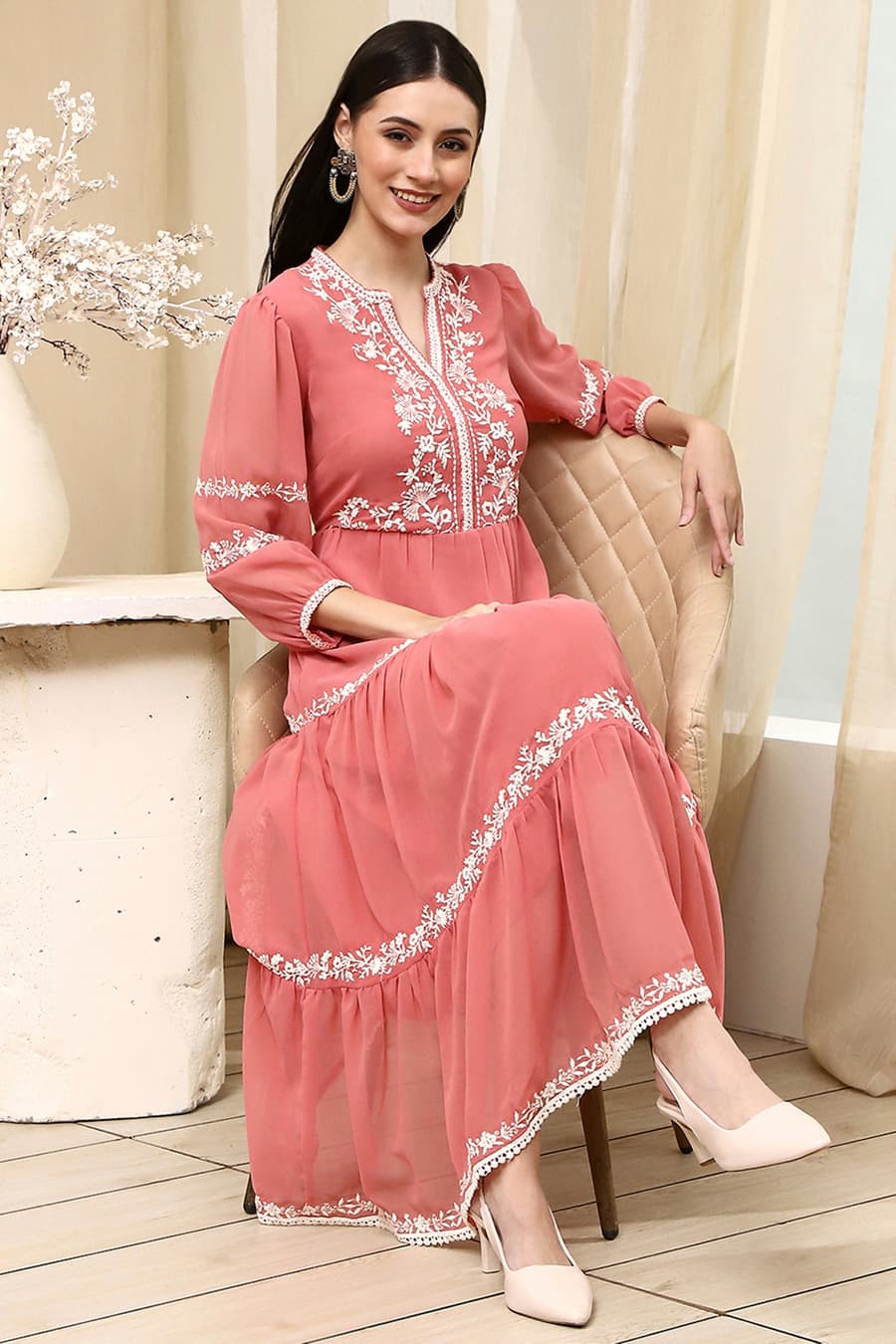
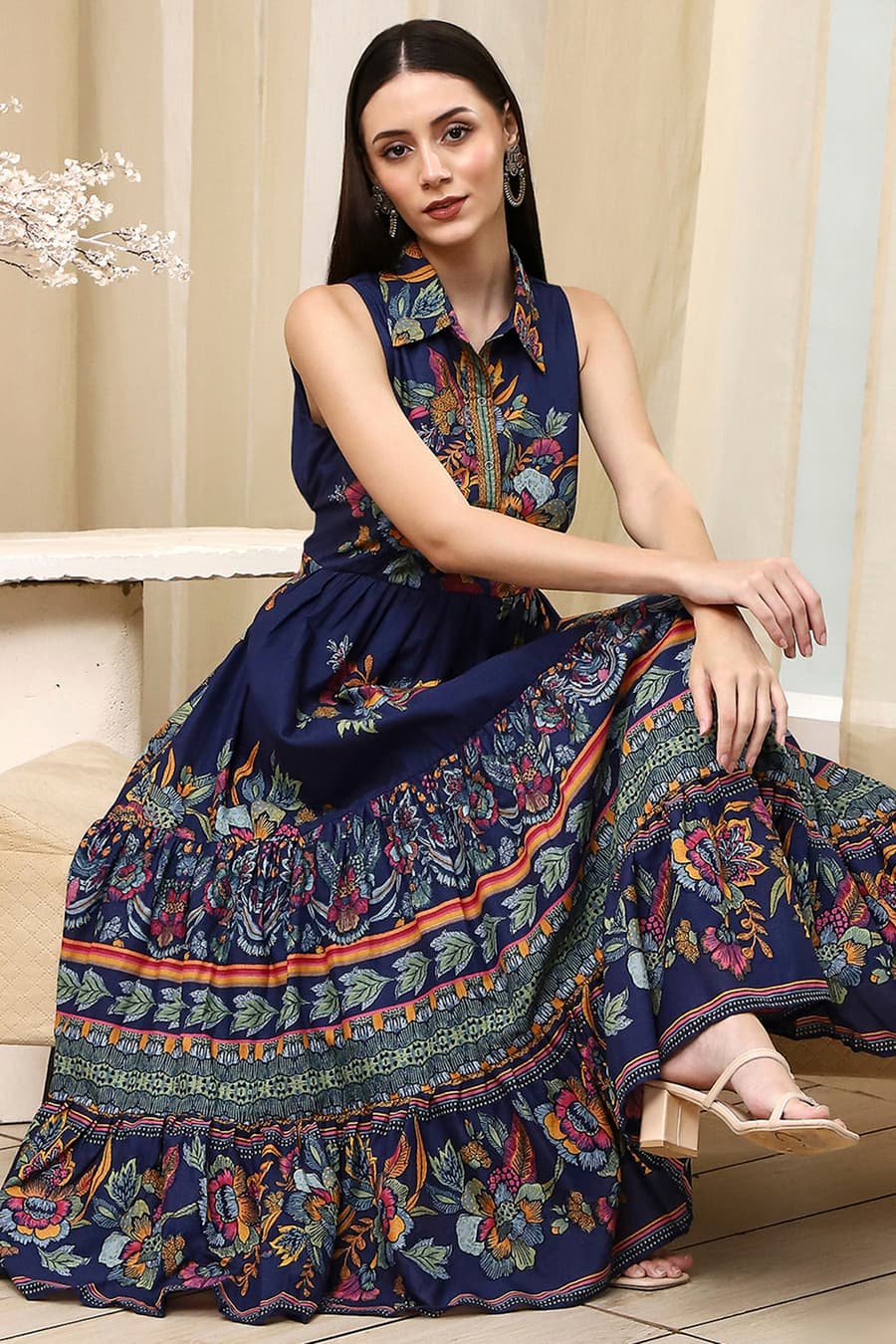
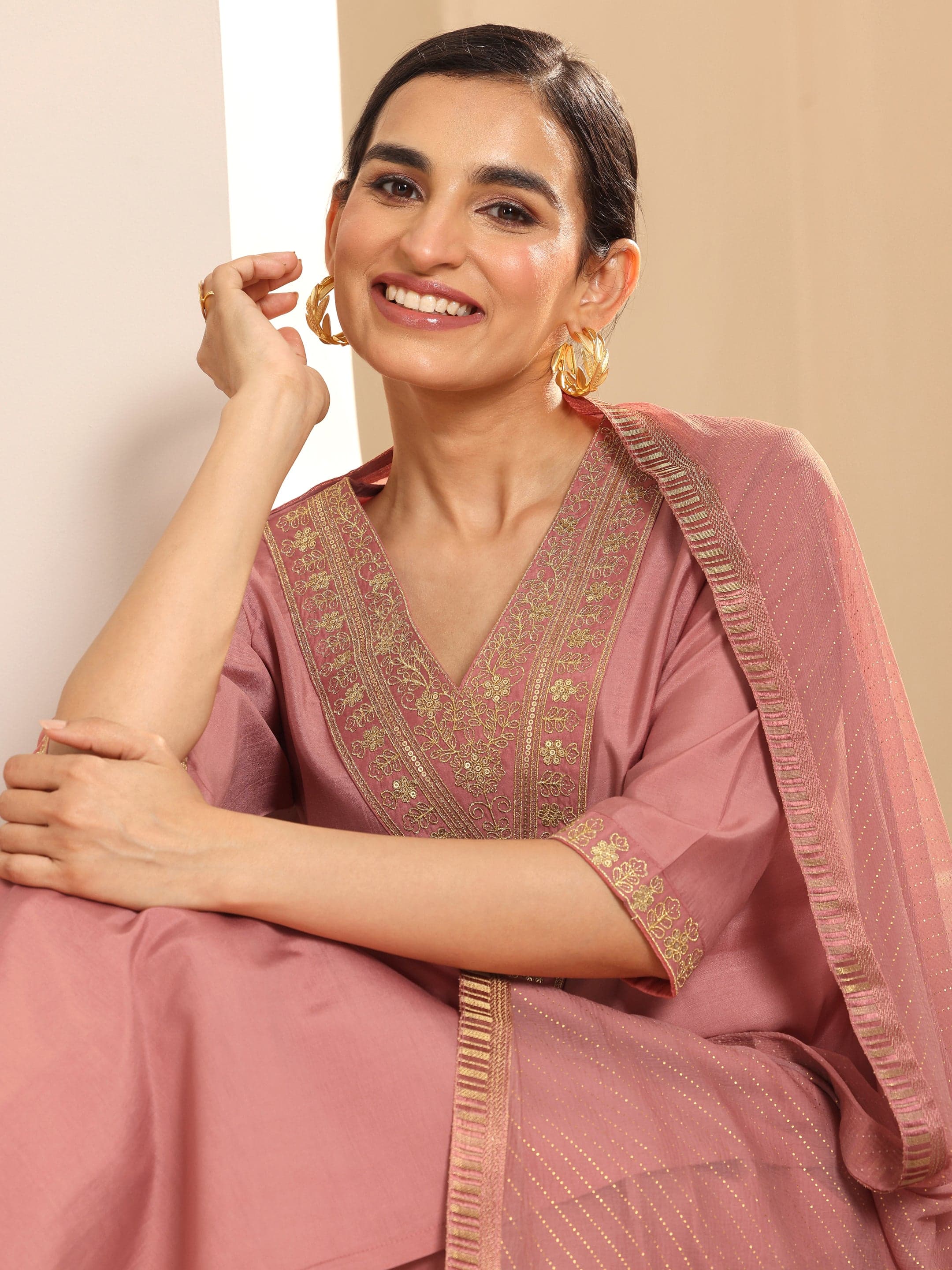
Choose a silhouette for the day you have planned
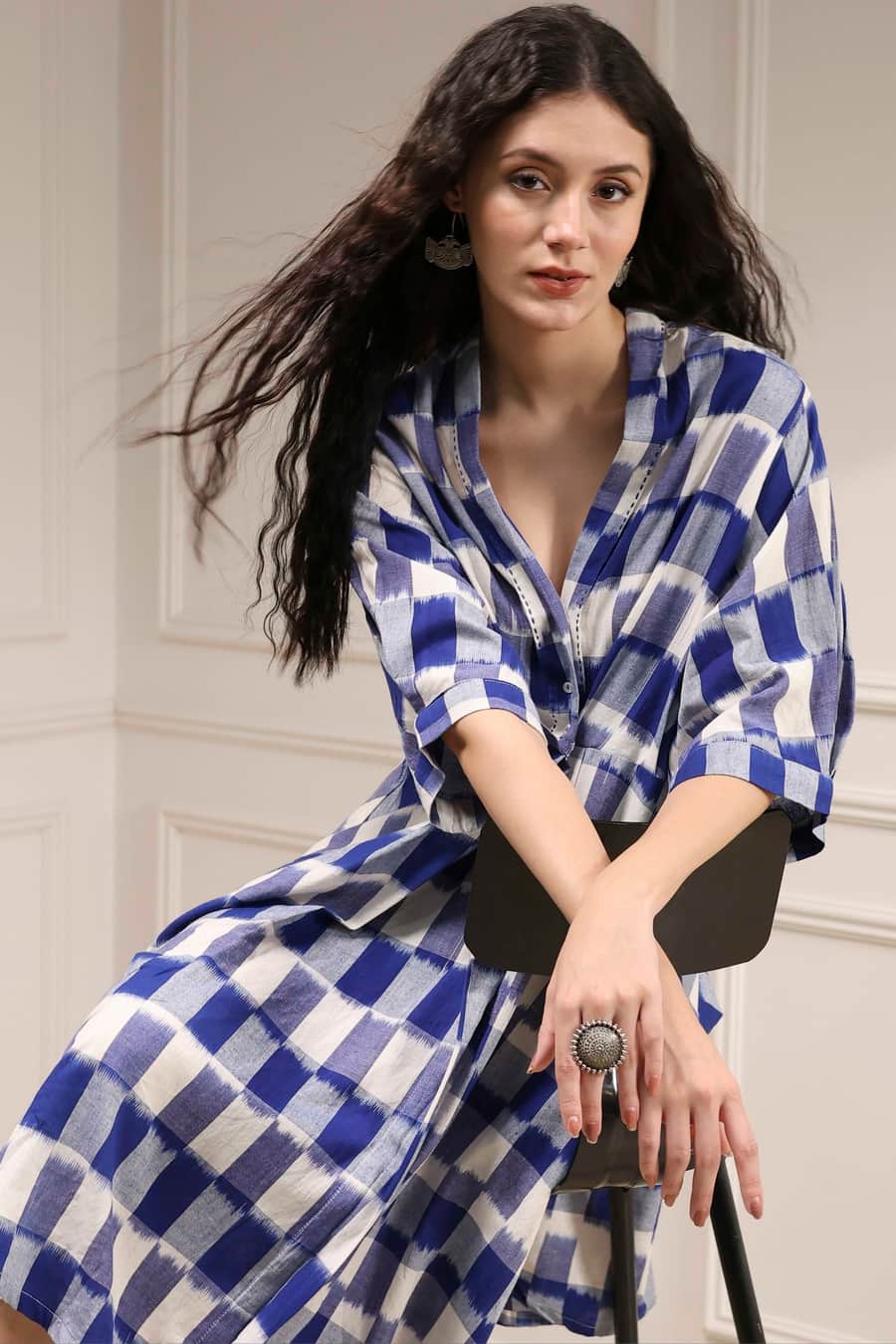
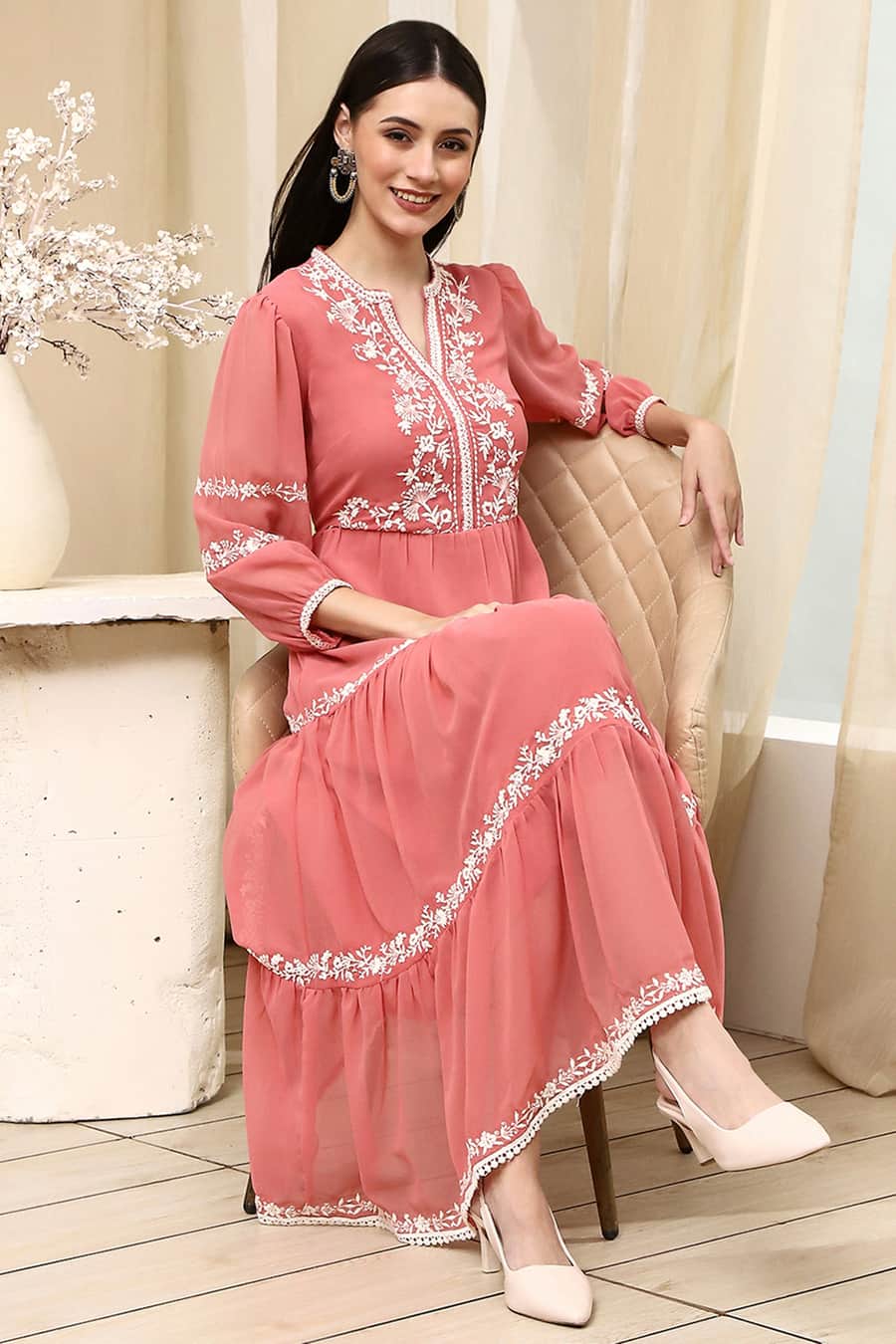
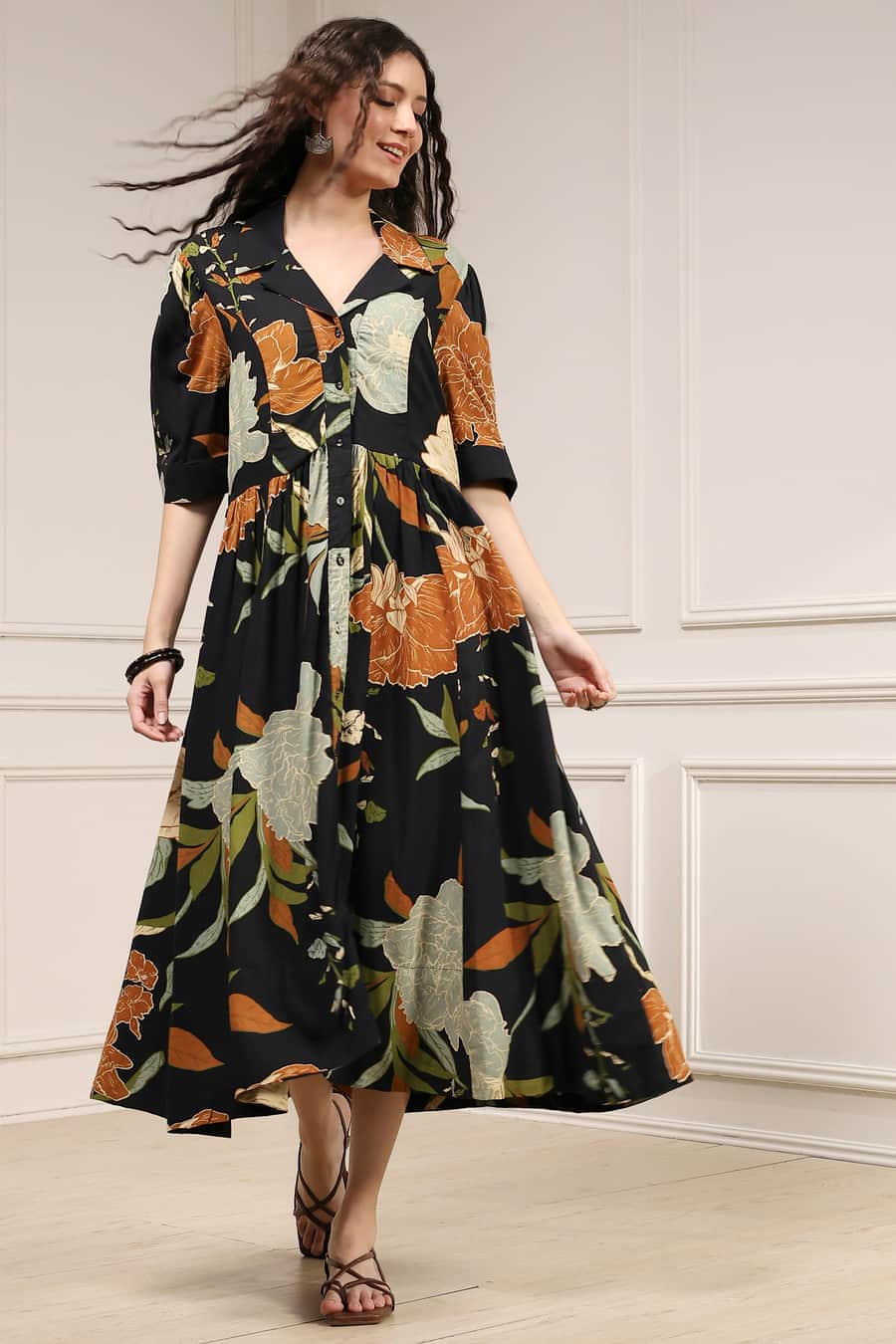
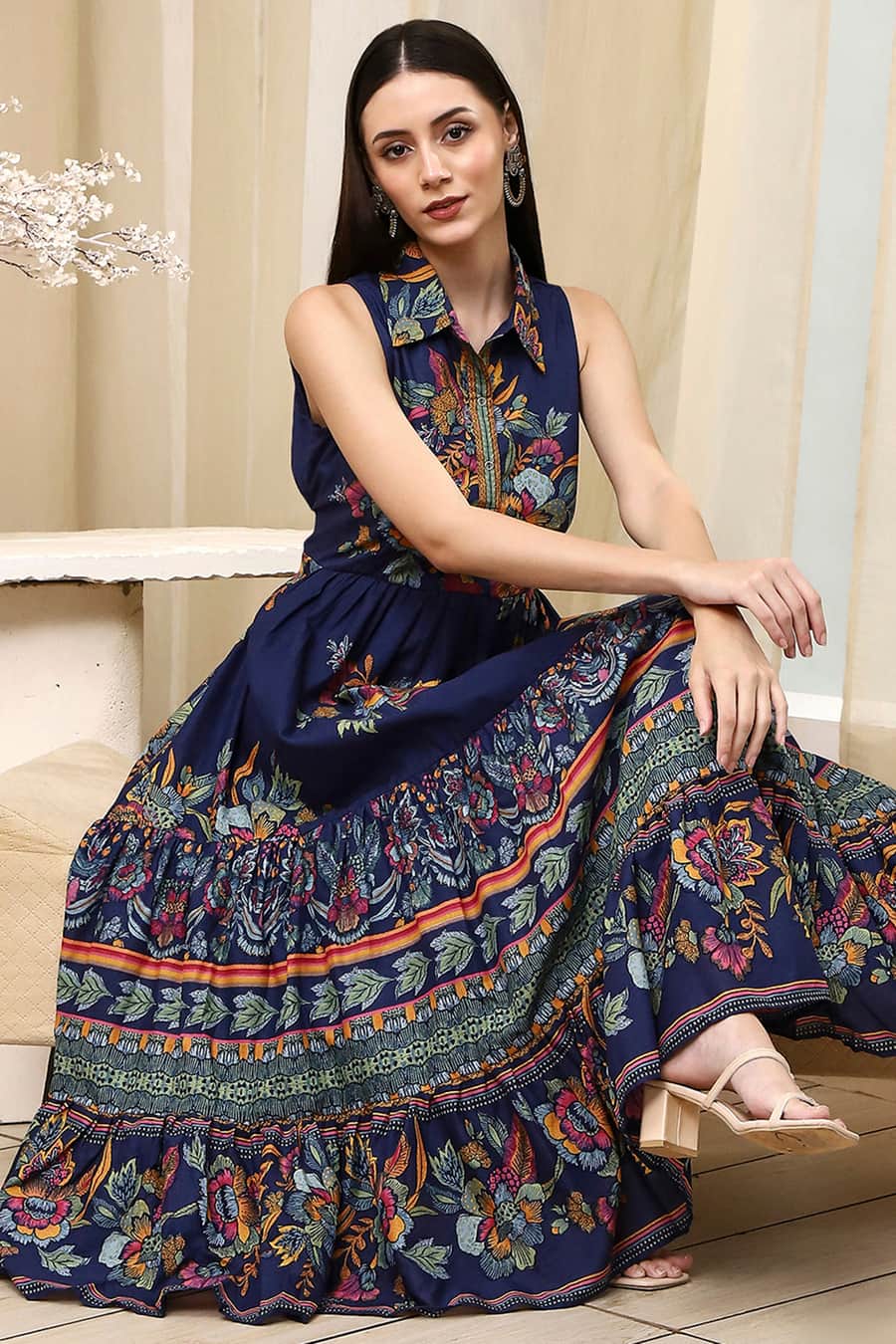
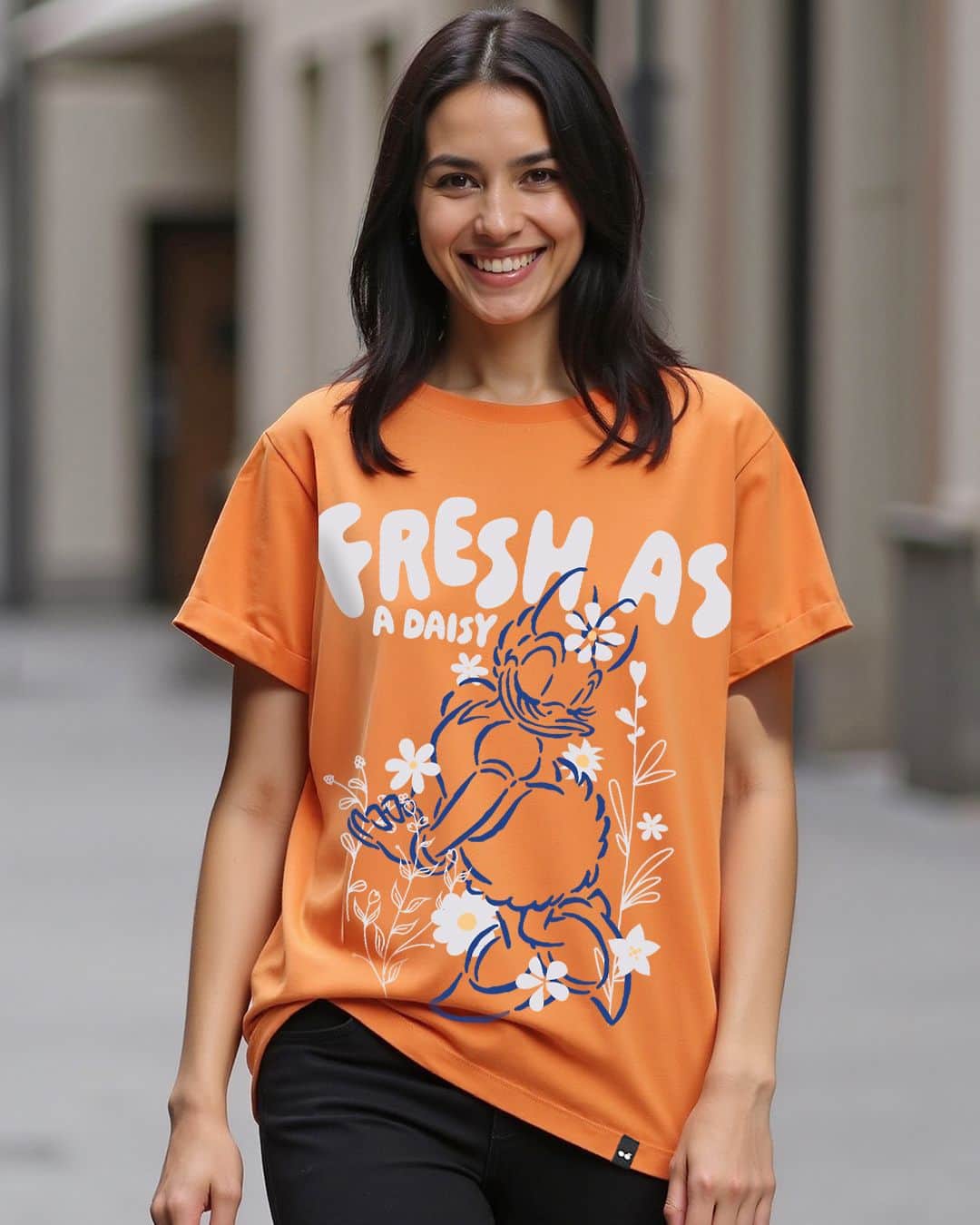
A-line dresses, tiered dresses, straight kurtas, Anarkali shapes and oversized tops create different outlines, but the label alone does not tell you how a garment will sit. Look at where the shape widens, where seams fall and whether the waist is fixed or adjustable. Consider the movement you need for commuting, sitting, working or attending an event. A sleeve or neckline you keep adjusting can outweigh the appeal of a photograph.
Use a garment you already feel comfortable in as a reference. Note the shoulder position, length and amount of room through the body. For a new silhouette, compare those familiar measurements with the retailer's chart rather than making assumptions about whether it will be flattering. Your comfort and intended use are better criteria than a universal rule about which body shape should wear which style.
Understand dresses, kurtas and coordinated sets
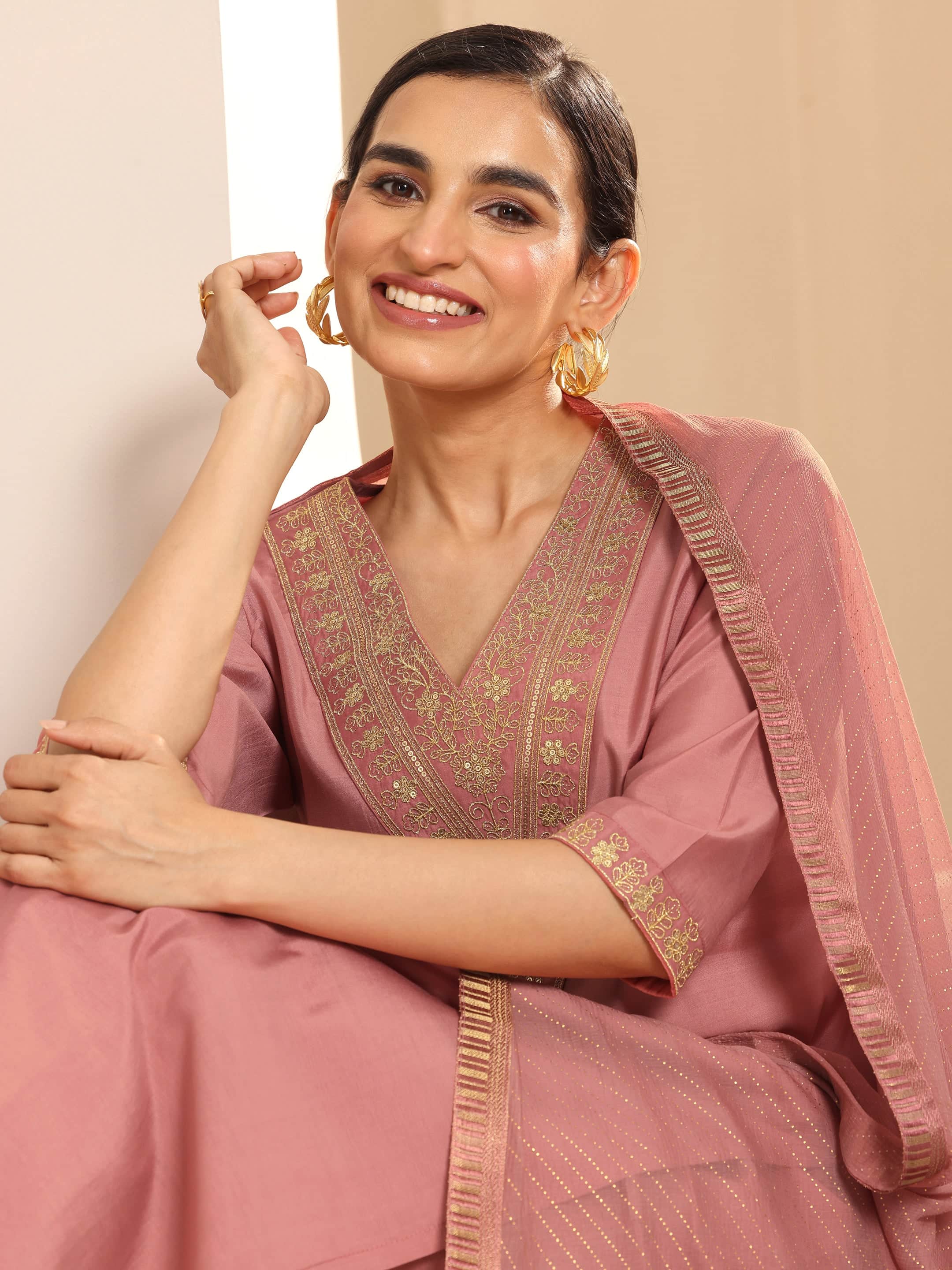
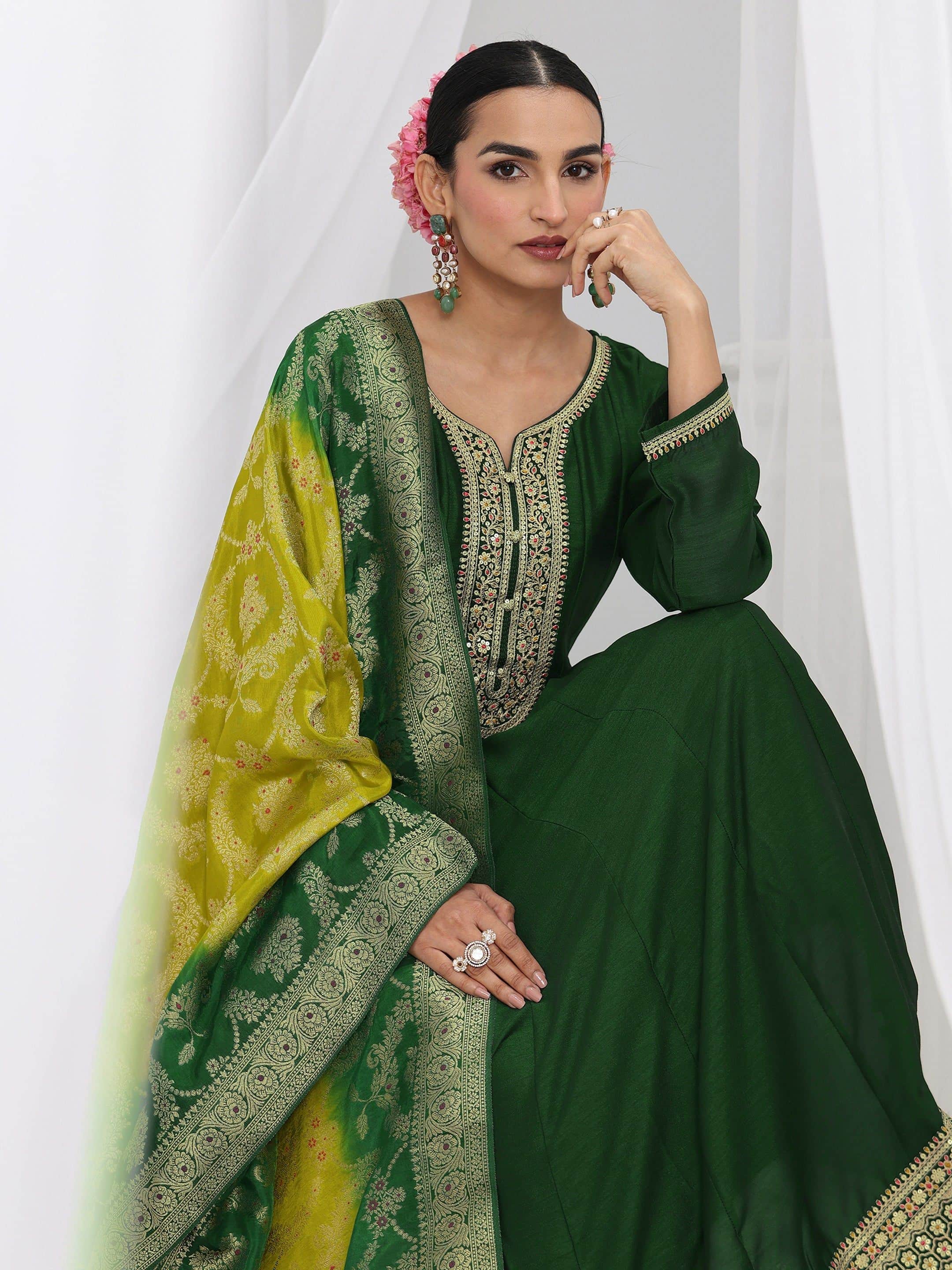
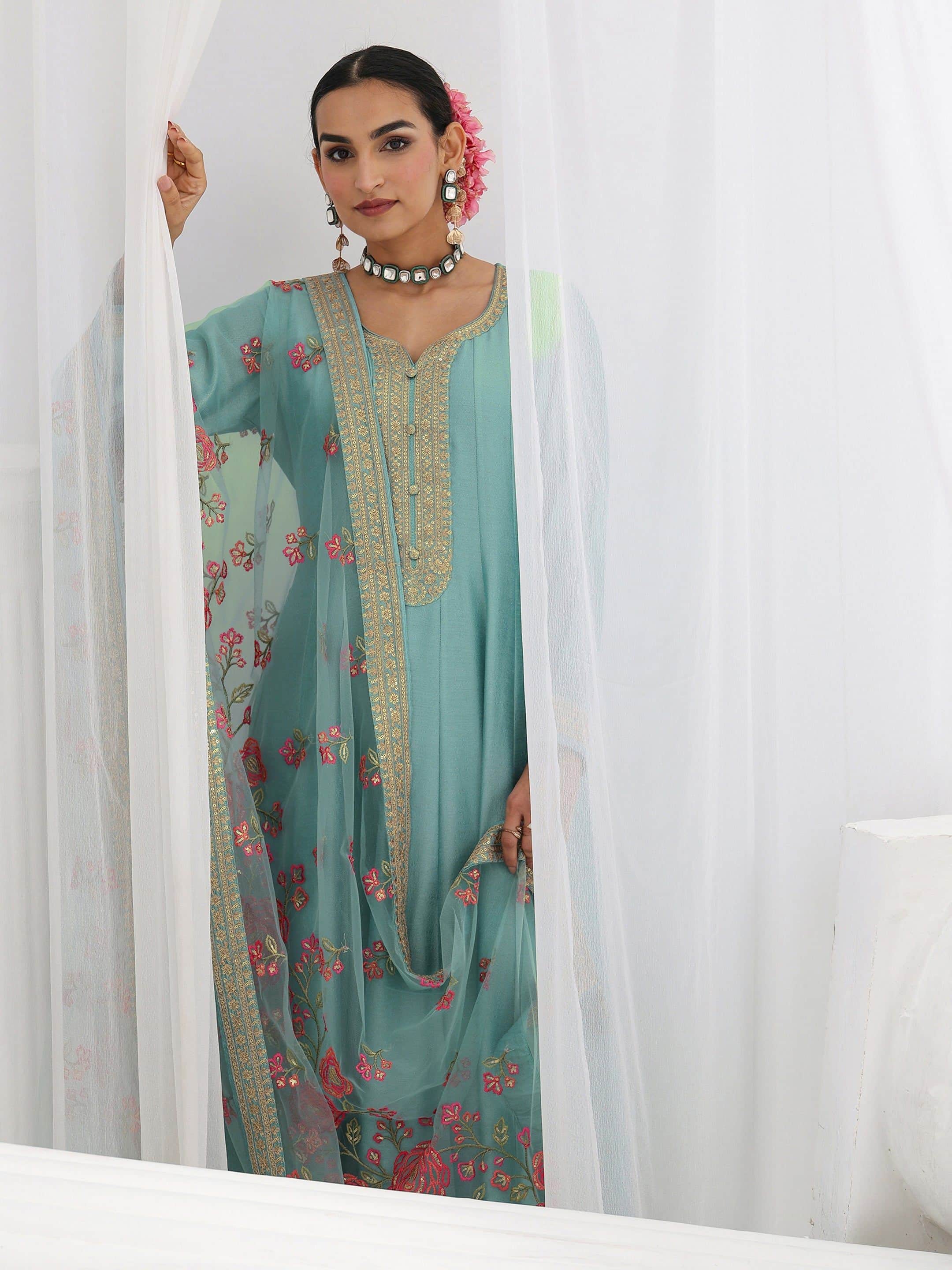
A single dress can be a straightforward outfit, while a kurta may need compatible bottoms and a co-ord offers a ready-made pairing. Compare the actual components listed by the retailer. A suit set might include a kurta and trousers, a dupatta, or a different combination. A photograph can show jewellery, a bag or a belt solely for styling. Confirm the contents before comparing the cost with another outfit.
Think about the pieces separately as well as together. A printed kurta that works with two pairs of trousers you own may offer more flexibility than a set whose pieces only suit one another. A co-ord with independently useful pieces can earn more wear. If your top and bottom measurements fall into different size ranges, find out how the set is sized and whether exchanges apply to the entire set or individual components.
Compare cotton, blends and dressier fabrics
Cotton and cotton blends appear in many casual dresses and kurtas, while viscose, silk blends and georgette may be described in other styles. Do not infer fabric weight, opacity or comfort from the fibre name alone. Read the composition, lining information and care instructions. Embroidery, a printed finish or a fitted lining can change the experience of wearing an otherwise similar outer fabric.
For regular wear, ask how the garment fits into your laundry routine. For occasion clothing, look at finishing and whether the fabric needs special handling. Terms such as silk blend, cotton rich and textured do not provide exact percentages unless the seller gives them. Use the fabric filters to discover relevant finds, then compare the complete product description. If opacity, stretch or lining matters to you and is not stated, seek clarification before purchasing.
Check lengths, necklines and the measurements that matter
A midi dress, a long kurta and a gown can all appear different on people of different heights. Check the stated garment length and consider the footwear you intend to wear. A model photograph gives styling context but is not a measurement chart. Necklines, armholes, sleeves and side openings also affect how an outfit feels during ordinary movement, so look for those details in images and descriptions.
For fitted garments, compare bust, waist and hip measurements as appropriate. For relaxed or oversized styles, check the intended shape instead of simply ordering a larger size. If a garment has a zip, elastic panel, tie or adjustable strap, understand what it changes and what remains fixed. Plan any necessary alterations before an event and include their cost and timing in the decision.
Build outfits around the clothes you already own
Before adding a piece to your shortlist, picture at least two ways you could wear it. A dress may work with different shoes or a light layer; a top may work with a skirt as well as trousers. If you prefer coordinated dressing, use the colour filters to begin with shades you already repeat. You can still explore a new colour without replacing every supporting item in your wardrobe.
For occasion wear, choose the main garment first and then decide which accessories are genuinely needed. A heavily detailed neckline may already provide the focal point you want. A simpler garment can be easier to restyle with different earrings or a necklace. Browse the jewelry collection for alternatives, but check proportions, weight and fastening details rather than assuming a styled photograph represents the best combination for you.
Compare the total cost and plan a useful shortlist
Price is easier to assess when you compare like with like. Check whether two listings include the same number of garments, a lining or a dupatta, and note any additional purchases needed to wear the outfit. Delivery fees, alterations and care can matter alongside the recorded product price. Sort by price to organise the shortlist, then revisit the specifications that explain the differences.
Before ordering, confirm your variant, size availability, delivery estimate and return conditions with the seller. For an event, leave time to inspect fit and finishing when the garment arrives. Saving a few alternatives makes it easier to compare without purchasing immediately. The price table below is a reference to recorded amounts, not a promise that an offer or size will remain available. Choose the item that meets your brief, rather than the one with the largest discount label.