Start with the clothes your week actually needs
Think about the balance between work, travel, weekends and occasions before choosing a shirt or another wardrobe addition. A garment that looks appealing on its own may be less useful if it does not work with the trousers, footwear or layers you already wear. Identify the colour combinations and levels of formality that recur in your week, then decide which gap matters most.
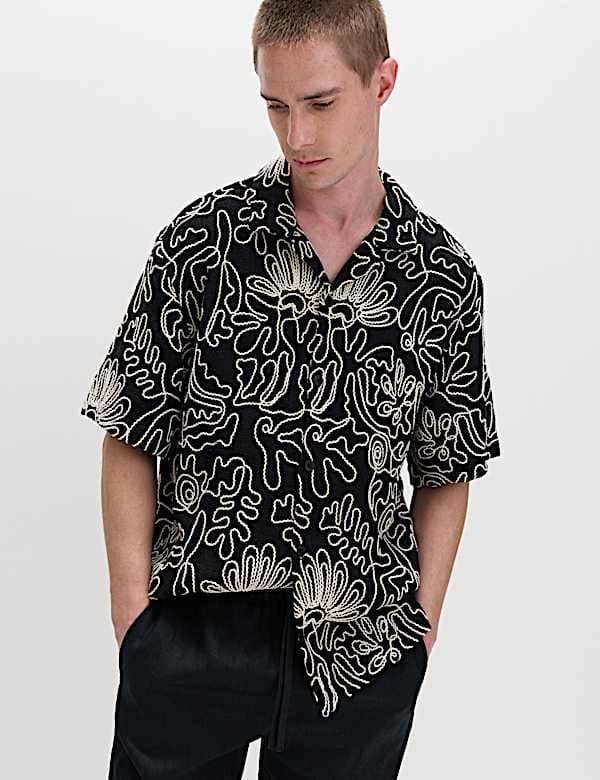
Build a small comparison brief: the type of garment, preferred fit, important measurements, care requirements and spending limit. This is particularly helpful when comparing casual shirts with different prints or textures. A plain or restrained pattern can be easy to combine, but a more expressive print can also be useful if it works with clothes you own. The right criterion is how the piece fits your wardrobe, rather than how many outfits a retailer says it suits.
Compare regular, relaxed and oversized shirt cuts
Fit descriptions are not interchangeable between brands. A regular-fit shirt from one retailer may have different shoulder, chest and waist measurements from another. A relaxed cut can also change the shape of sleeves or the way the body falls. Look for the chart supplied for the actual garment and confirm whether it describes body measurements or finished clothing.
Measure a shirt you already enjoy wearing. Check shoulders, chest, sleeve length and overall length, then decide whether you intend to tuck the new shirt in or wear it untucked. Inspect the collar, placket and hem in the available images. For short sleeves, compare opening width and sleeve length as well as chest fit. Choosing a larger size is not a reliable substitute for choosing the cut you want.
Read fabric and texture descriptions carefully
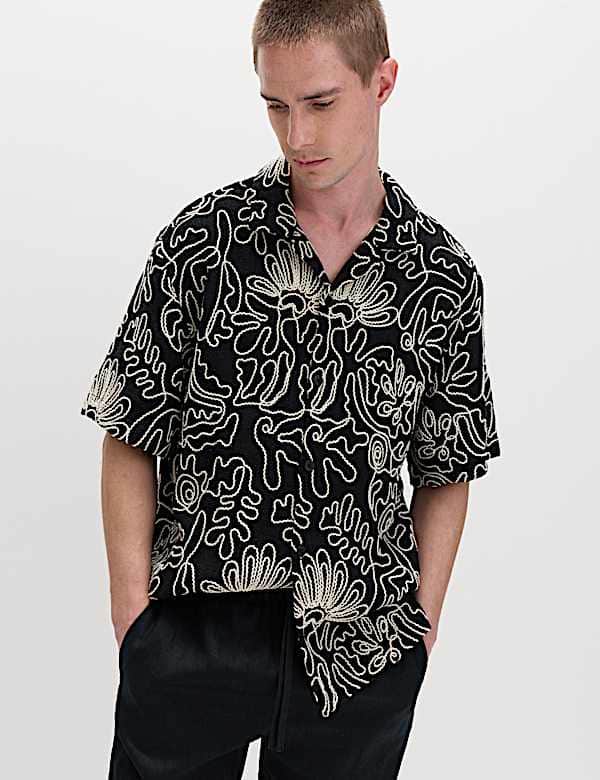
Cotton, cotton blends and textured fabrics can appear across casual and smarter shirts. The fibre name does not fully describe thickness, weave or the way the garment will sit. Look for the complete composition, care instructions and any finishing details. A crinkle or seersucker description refers to texture, while a print or embroidery describes a different aspect of the garment.
Compare maintenance with the time you want to spend on clothing. If you prefer a straightforward laundry routine, check washing, drying and ironing instructions rather than assuming every casual shirt is equally easy to care for. If material information is missing, ask the seller. Our fabric filters help locate documented terms; they do not guarantee softness, breathability, resistance to creasing or a particular result after washing.
Choose prints and colours that have a clear role
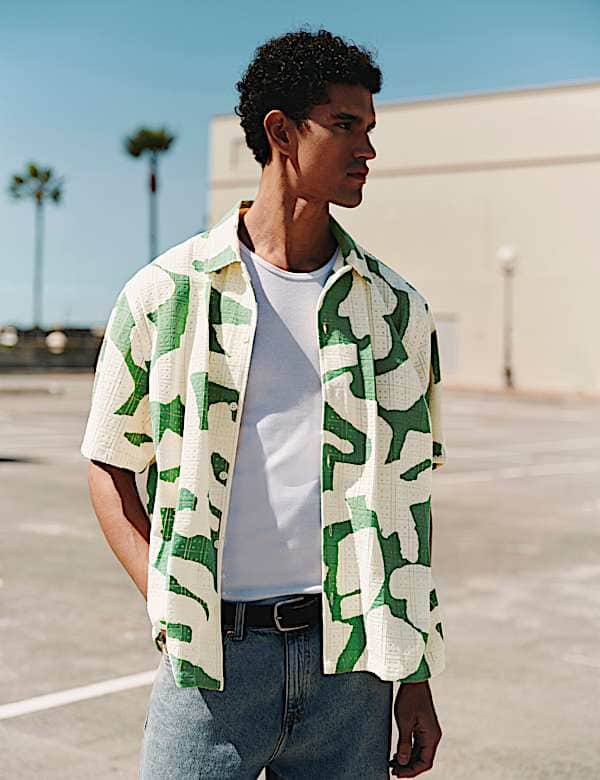
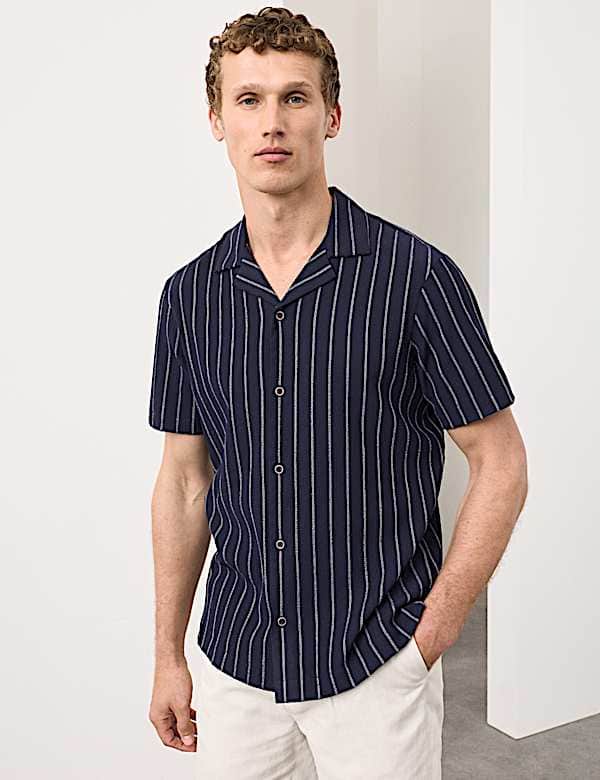
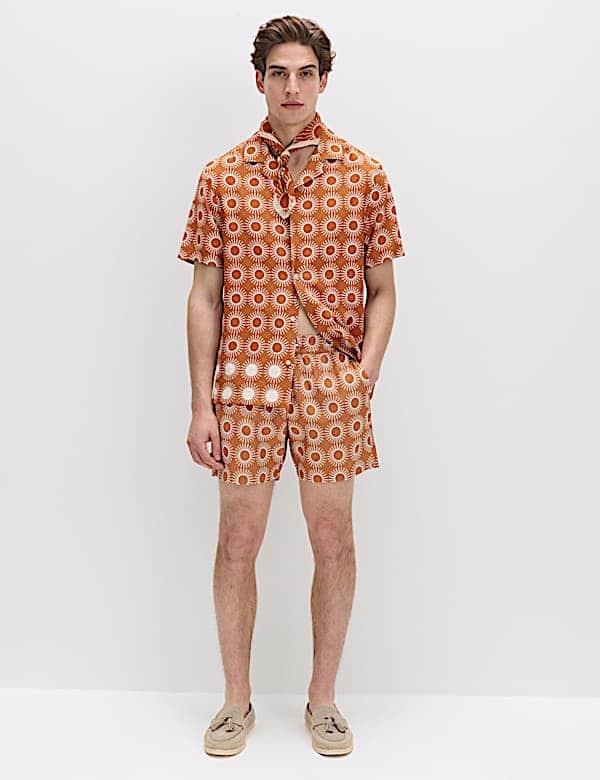
Checks, stripes, abstract prints and embroidery can change the visual weight of an outfit. Look at the scale of the pattern and where it falls around seams, pockets and the placket. A photograph of the full garment helps you understand the overall effect, while close-ups can clarify the texture and finishing. Colour names and multiple images are useful because a single screen view may not represent a shade precisely.
Before selecting a print, identify two bottoms and one pair of shoes you would wear with it. This keeps the decision grounded in an outfit you can actually make. If you are comparing several similar shirts, write down the differences in cut, fabric and maintenance alongside the colour. A different pattern alone may not justify another purchase when the practical role is already covered by your wardrobe.
Treat grooming and fragrance as a separate comparison
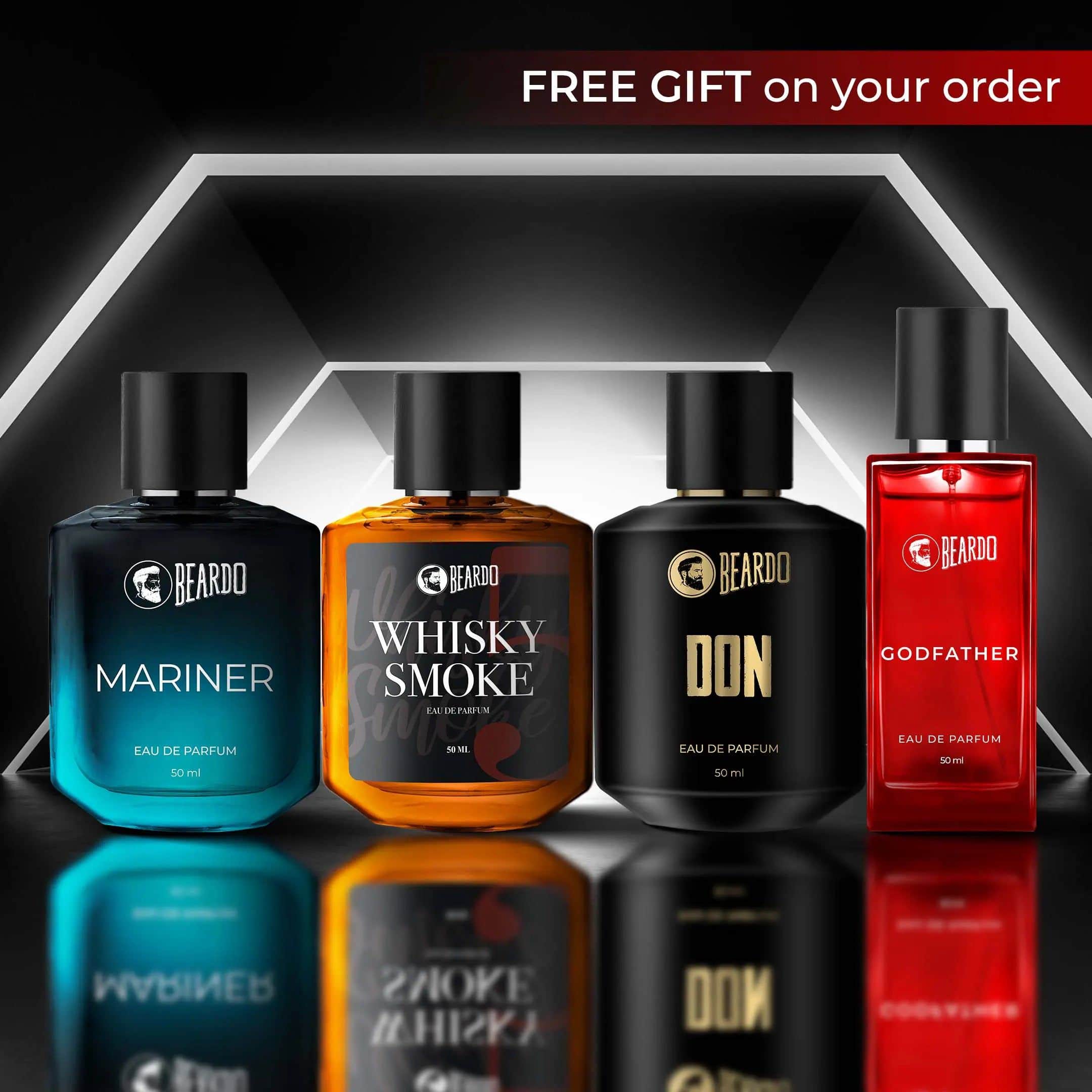
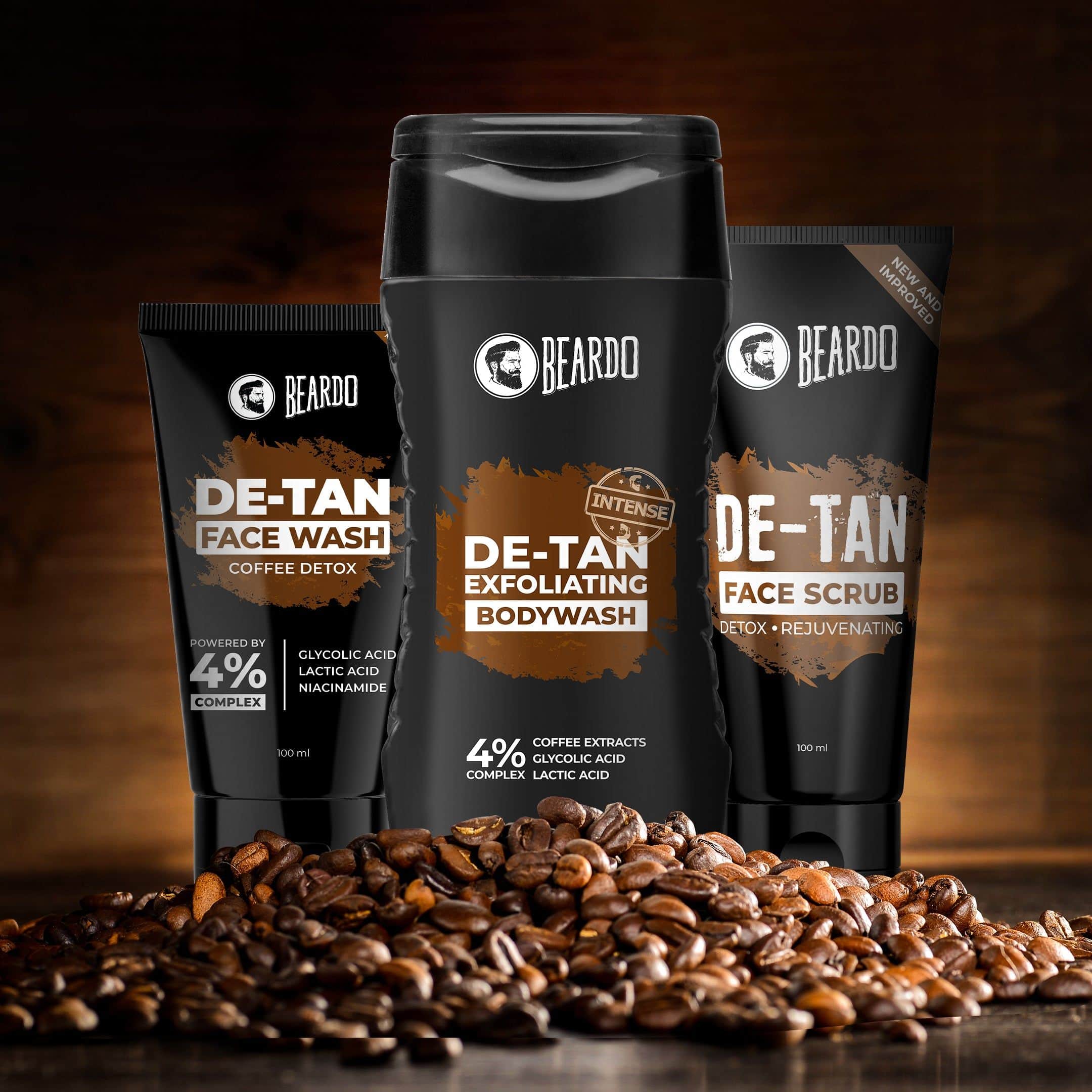
A clothing collection can include grooming kits and fragrance finds, but these deserve a different checklist from shirts. For a kit, confirm the products included, their sizes and whether you want every component. Compare the actual quantity and format instead of treating the number of products as an automatic indication of value. Read ingredient information and use directions where relevant.
For fragrance, distinguish the stated format and bottle size, and check the seller's description of the scent. An online description cannot establish how a fragrance will smell to you or how long it will last on your skin. Do not infer medical or skin-treatment benefits from promotional terms. If you have a skin condition or a history of reactions, use qualified advice rather than a fashion recommendation to decide what is appropriate.
Make a short comparison before you buy
Use price sorting to organise the options, then compare the details that explain the difference. Note garment measurements, fibre composition, texture, finishing, care and the retailer's return conditions. For kits or fragrances, note the contents and quantity instead. A recorded price helps with shortlisting, but the selected variant, delivery fees and current stock are confirmed by the merchant.
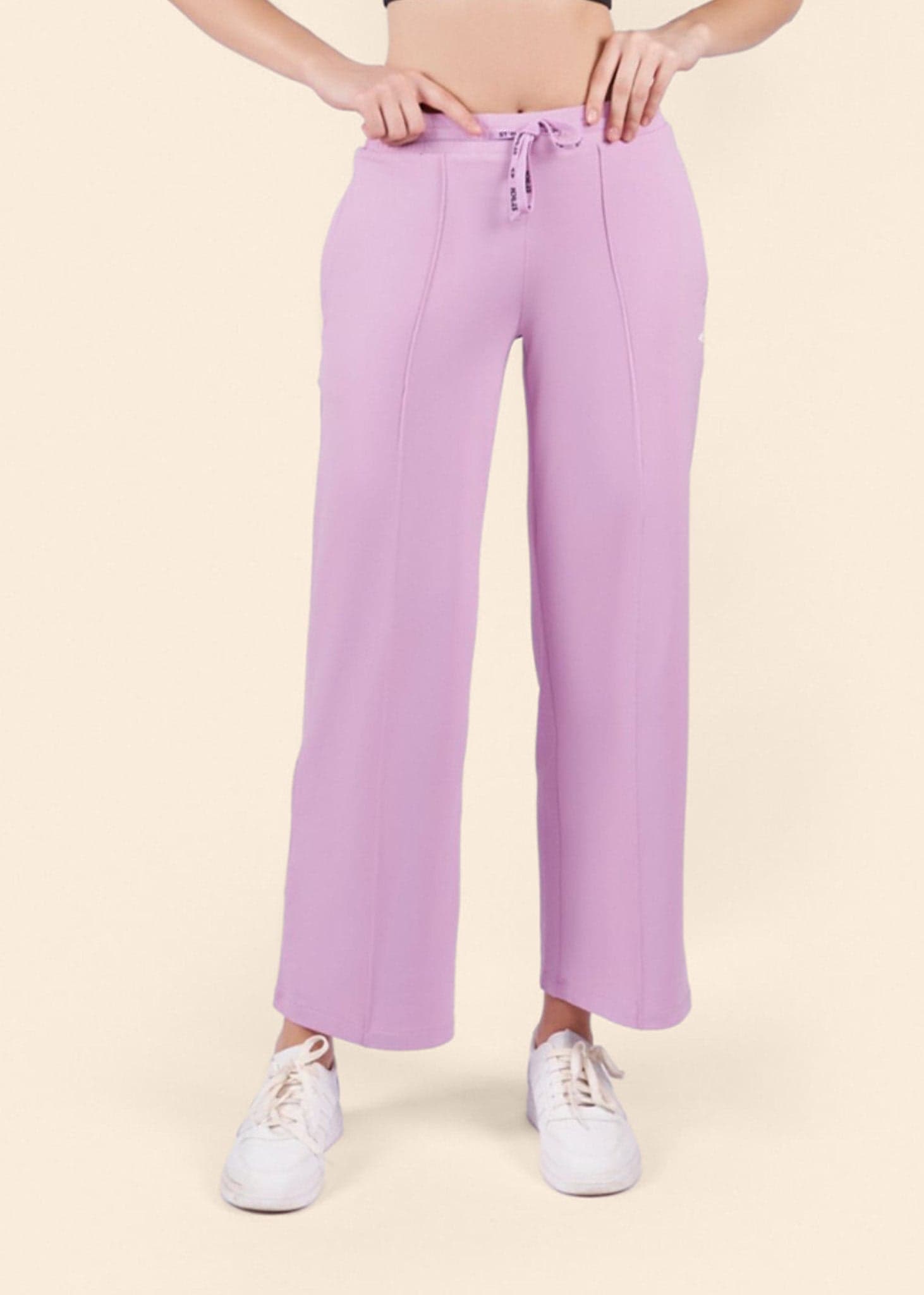
Save two or three realistic alternatives rather than every attractive find. This makes it easier to see whether a more expensive option adds something you need. Before ordering clothing, check measurements again and leave enough time for delivery and any permitted exchange. Explore the broader fashion and fitness collections when you need different clothing groups, training pieces or bags, keeping the intended use of each item clear.