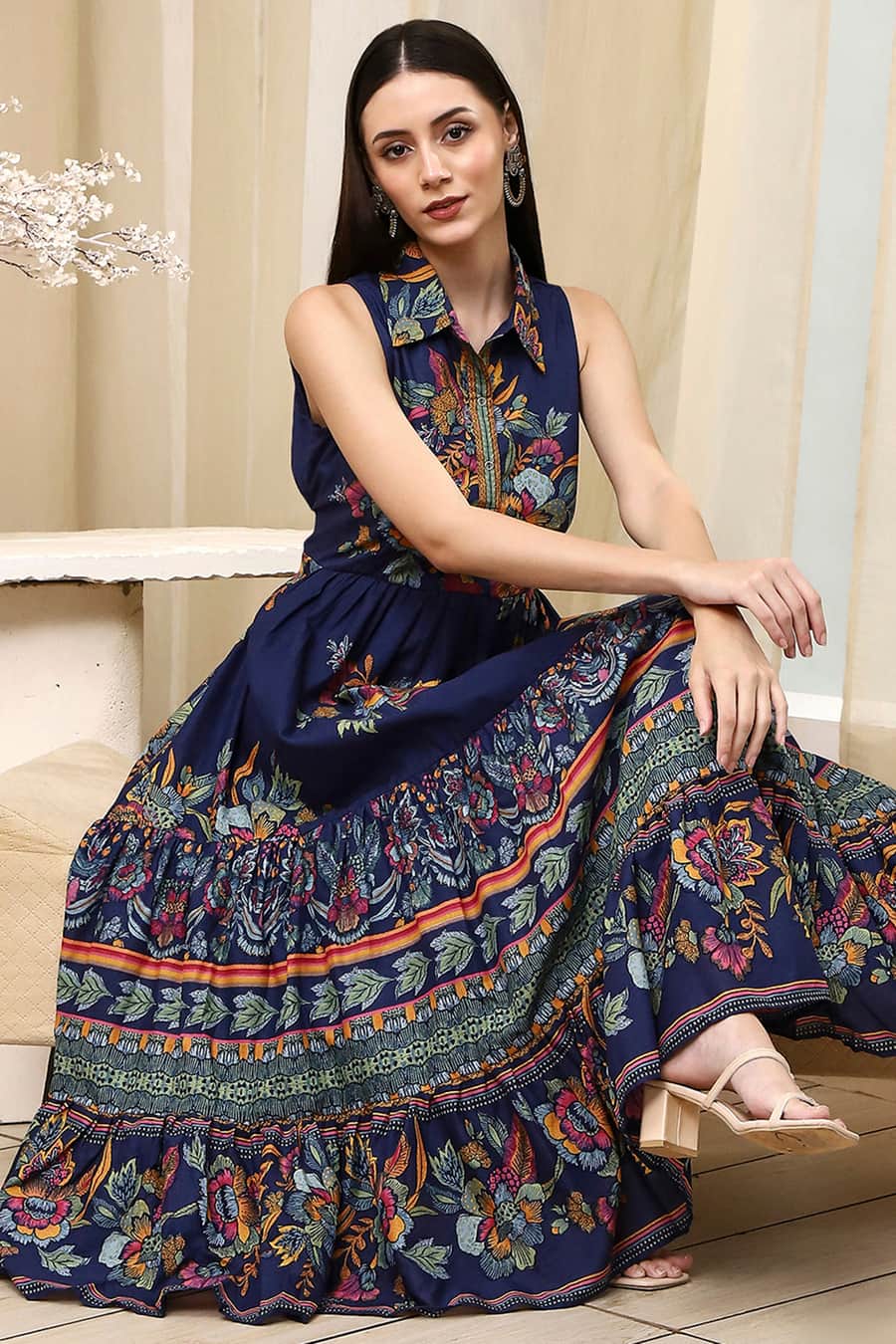
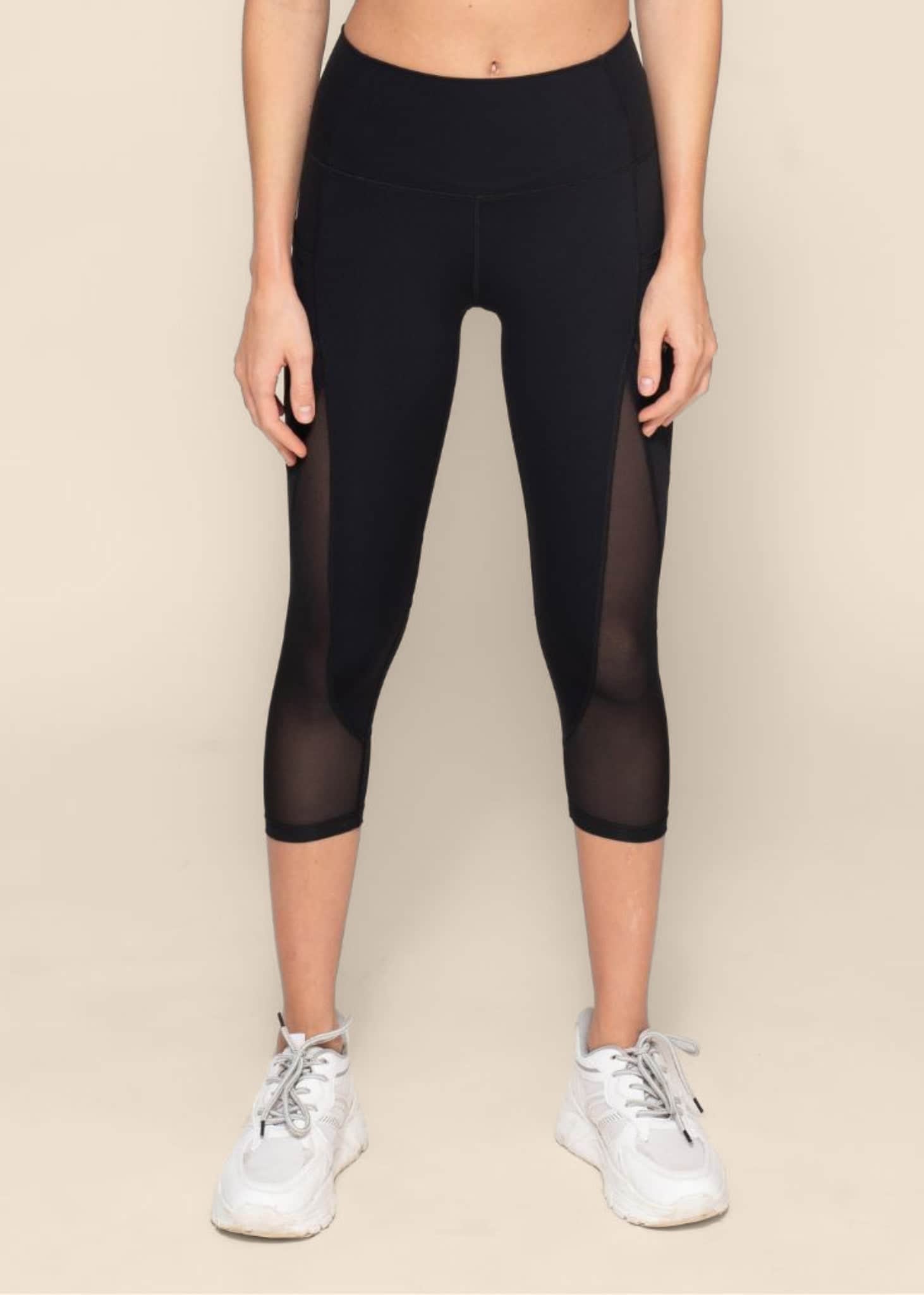
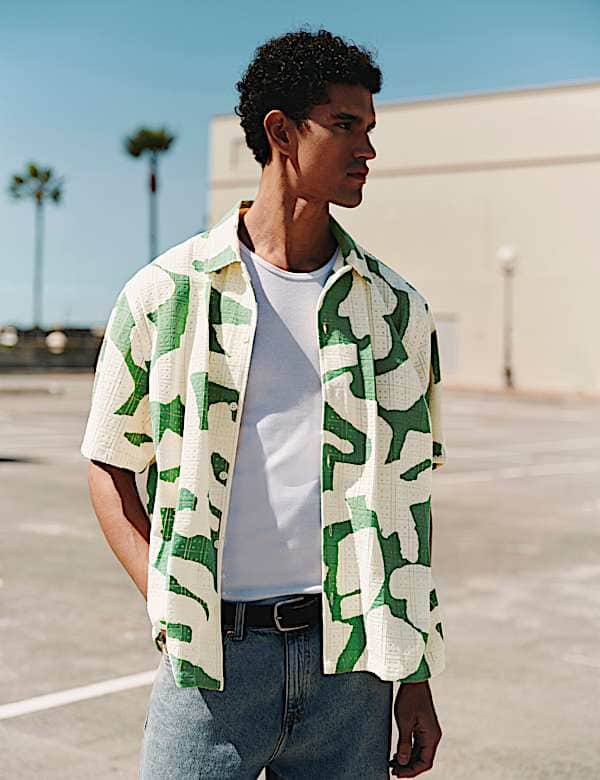
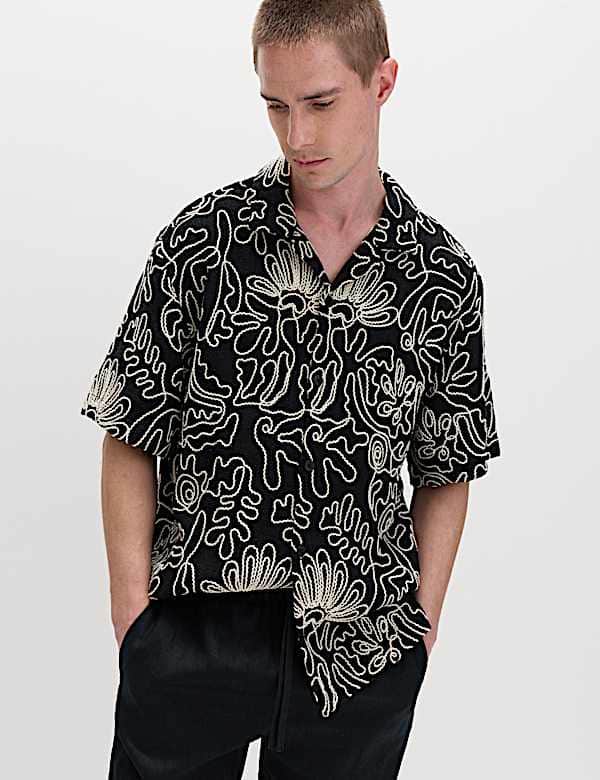
Start with the gap in your wardrobe
Before browsing dresses, shirts, co-ord sets or ethnic wear, describe the job of the next purchase. You might need a washable office outfit, a comfortable travel layer or one complete look for an occasion. This turns a broad search into a useful brief. Look at what you already own and identify the colours, shapes and shoes you would wear with the new piece. A garment that works with three existing outfits can be more useful than one that requires several additional purchases.
Separate essentials from experiments. If you are replacing a much-used item, prioritise the details that made it work: pocket placement, sleeve length, fabric weight or an easy closure. If you are exploring a new silhouette, choose a budget that leaves room for uncertainty and read the retailer's return terms before ordering. Our category shortcuts help you start with a clothing group; the product details help you decide whether an individual piece earns a place in your wardrobe.
Compare fabric descriptions with the way you dress
Fabric names are a starting point, not a complete description of how a garment feels. Cotton, linen, viscose, georgette and silk blends can vary in weave, thickness, lining and composition. Look for the full material statement, any stretch percentage and the care instructions. A cotton blend is not the same specification as pure cotton, and a silk blend should not be assumed to contain a particular proportion of silk unless the seller states it.
Consider the construction alongside the fibre. A lined dress may feel different from an unlined one made from the same outer fabric. A loose cut changes how the garment sits; a rigid waistband can matter more than the softness of a shirt panel. If the description is vague, treat that as a question for the retailer. The fabric filters here use documented terms and may leave an item unclassified when its material is unclear.
Use measurements instead of relying on the size label
Sizes can vary between brands, and a familiar letter or number does not settle the fit. Compare the seller's garment or body measurements with the correct type of measurement. A garment chart and a body chart are different tools: one describes the finished item, while the other describes the person it is intended to fit. Check which chart the retailer provides before choosing a size.
Measure an item you already enjoy wearing and note where ease matters. For a shirt, shoulders, chest and sleeve length may be decisive. For a dress or kurta, also check length, waist placement and room around the hips. For trousers or leggings, check the rise, waist and inseam when available. Look at the model's height only as additional context. If a crucial measurement is absent, ask for it rather than treating the photograph as a reliable scale.
Choose between separates, co-ords and complete sets
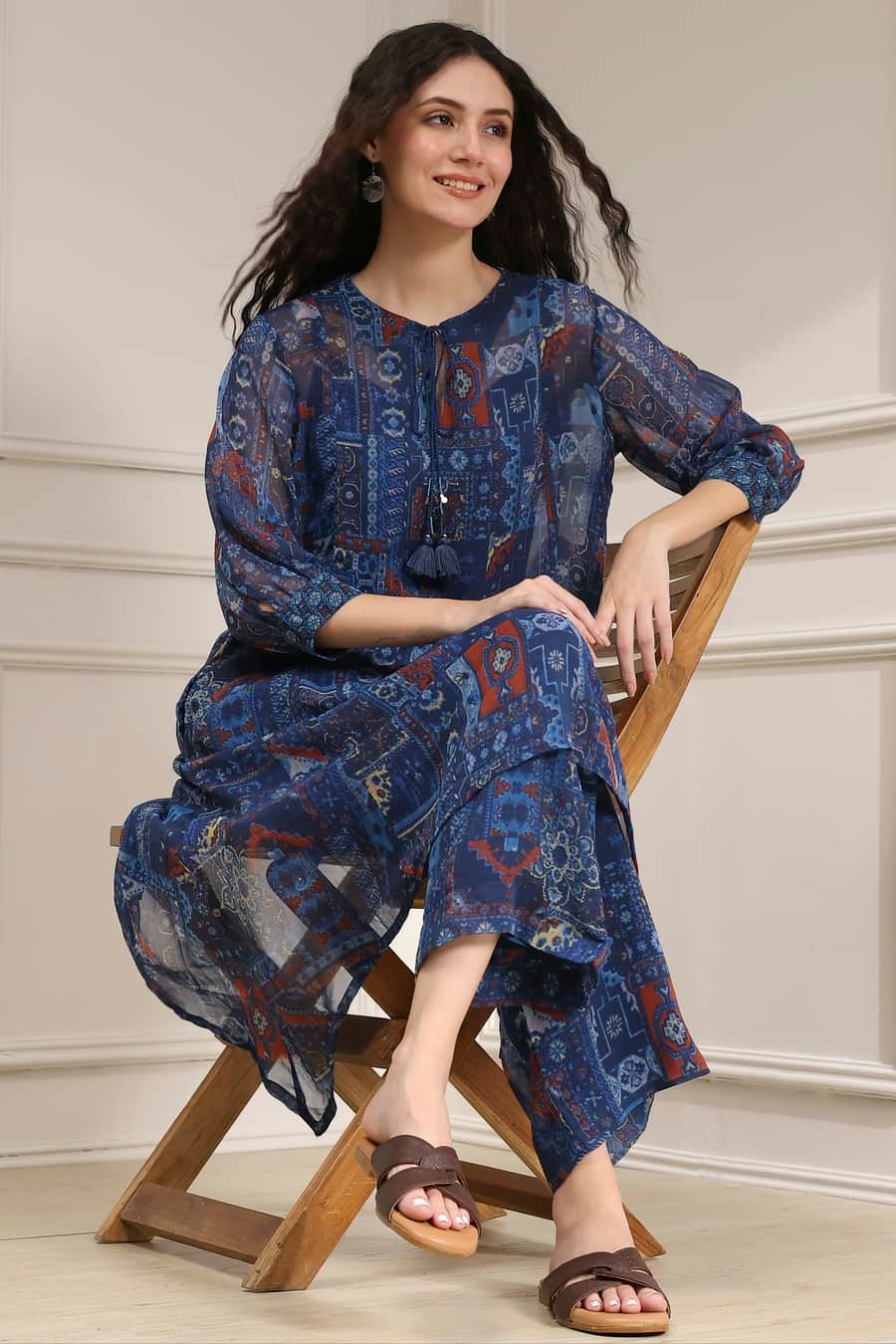
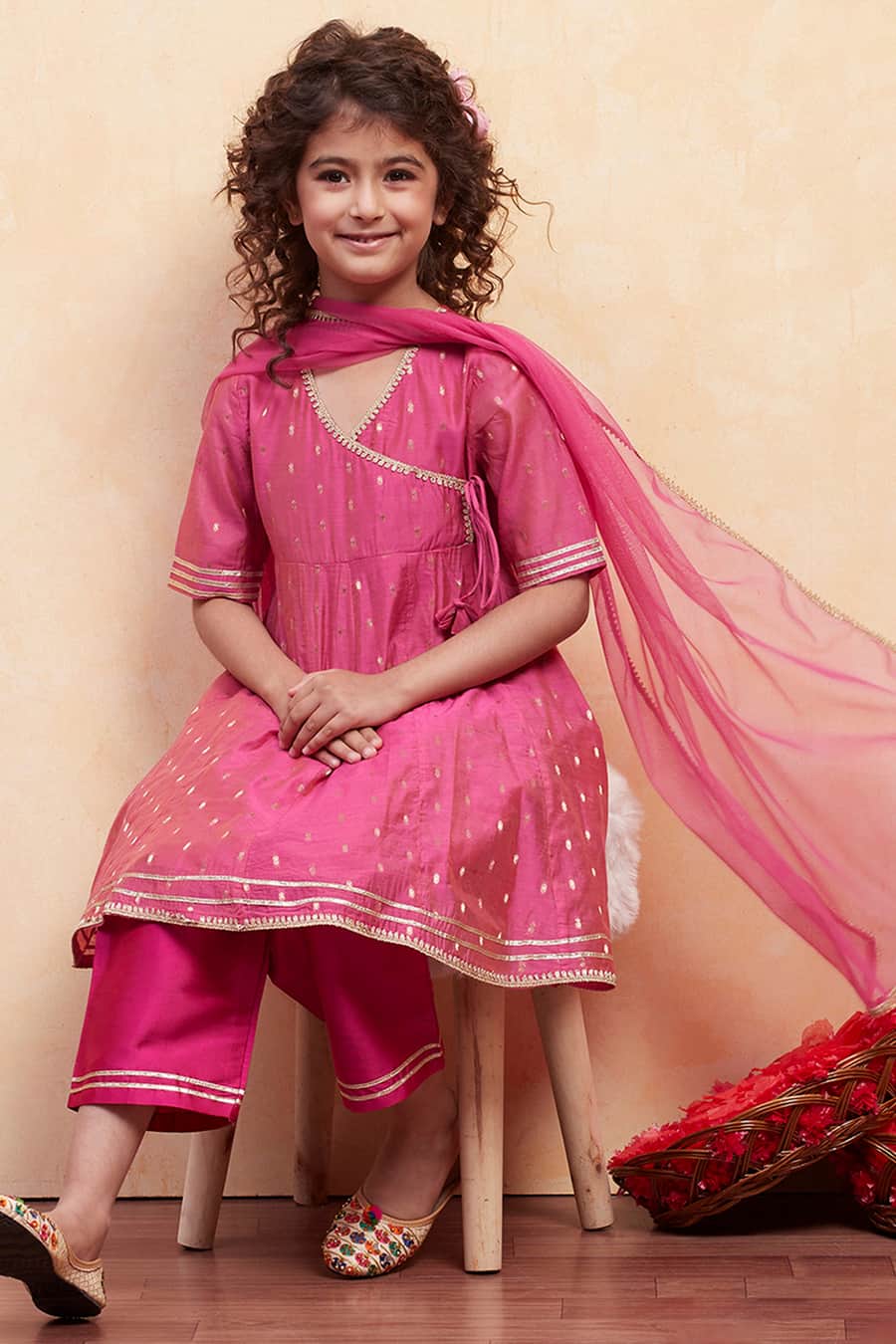
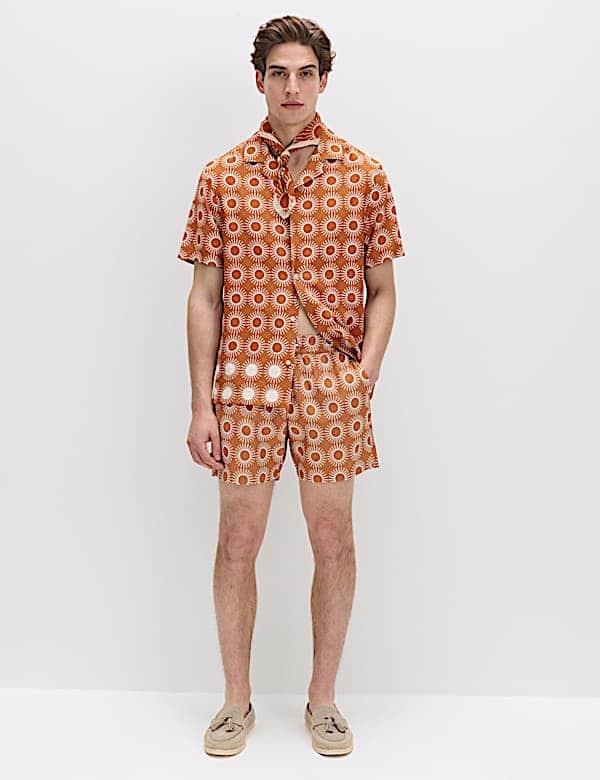
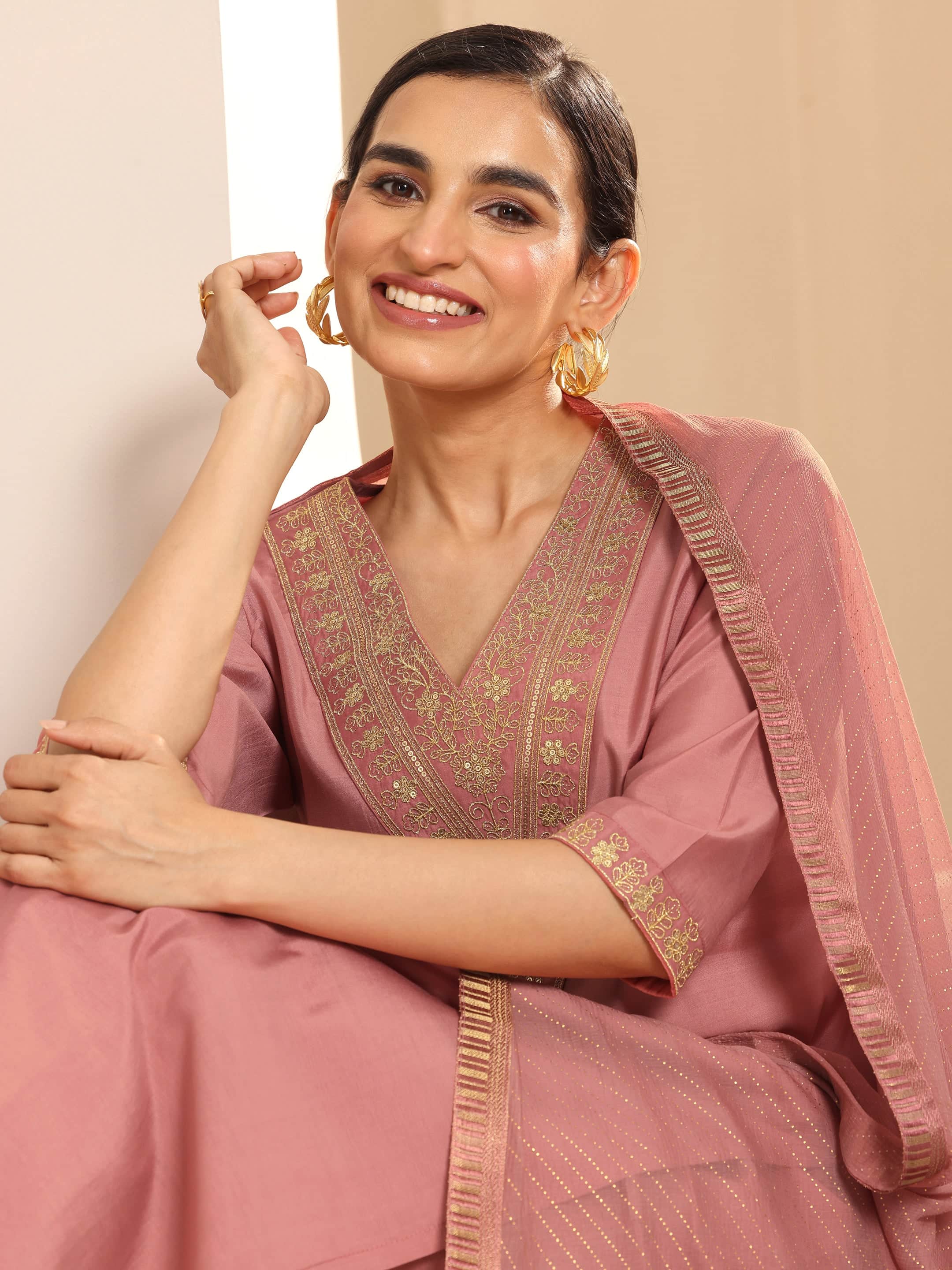
Separates can give you more outfit combinations, while a co-ord or suit set can reduce the work of putting a look together. Compare what is actually included. A photograph may show styling accessories, a dupatta, a belt or a second garment that is not part of the price. Read the contents list and check whether individual pieces in a set come in a single fixed size or can be selected separately.
For everyday use, consider whether the pieces work apart as well as together. A printed top that pairs with trousers you own can add flexibility to a co-ord purchase. For an occasion outfit, consider the complete cost: footwear, lining, alterations and any additional accessories. A higher-priced complete set may compare differently with a lower-priced standalone garment once those extras are counted. The recorded prices on this page describe the listed find, not the entire styled look.
Build a budget around use, upkeep and flexibility
Set a spending range before applying the price filter, but leave room to compare the details. A low sticker price can lose its advantage if you need alterations, special cleaning or additional pieces. For garments you expect to wear frequently, think about repeat use and ease of care. For a one-off event, think about rewearing or restyling the item instead of assuming a special-occasion purchase must only be worn once.
Treat discounts as context rather than the reason to buy. Compare the actual payable price for the selected variant, delivery charges and return conditions. Our price table provides recorded amounts to help you shortlist; the retailer confirms the current price and availability. Unknown prices are not zero prices. If an item has no recorded amount, open its details and check the seller instead of assuming it fits a particular budget.
Check colours, finishing and the final purchase details
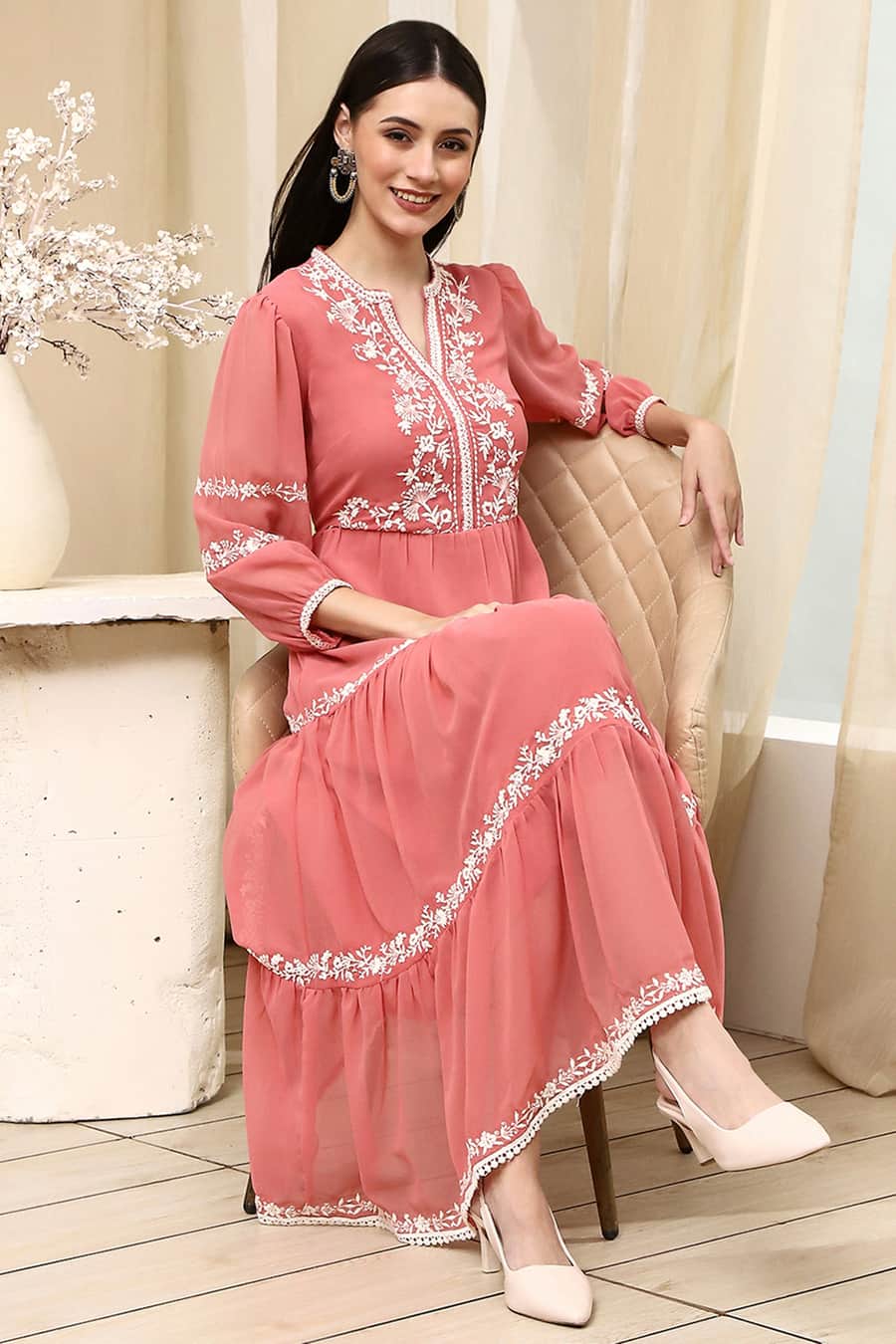
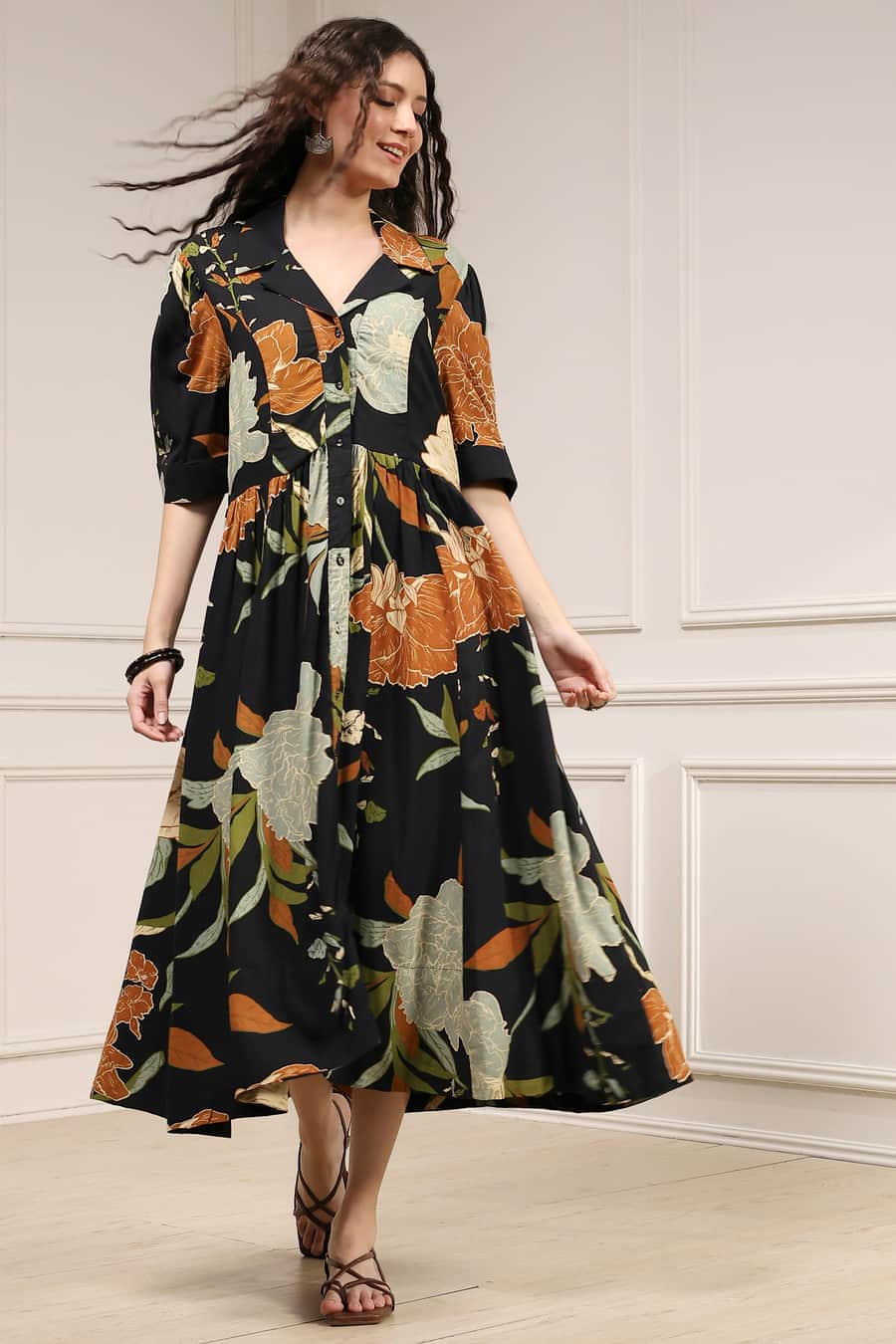
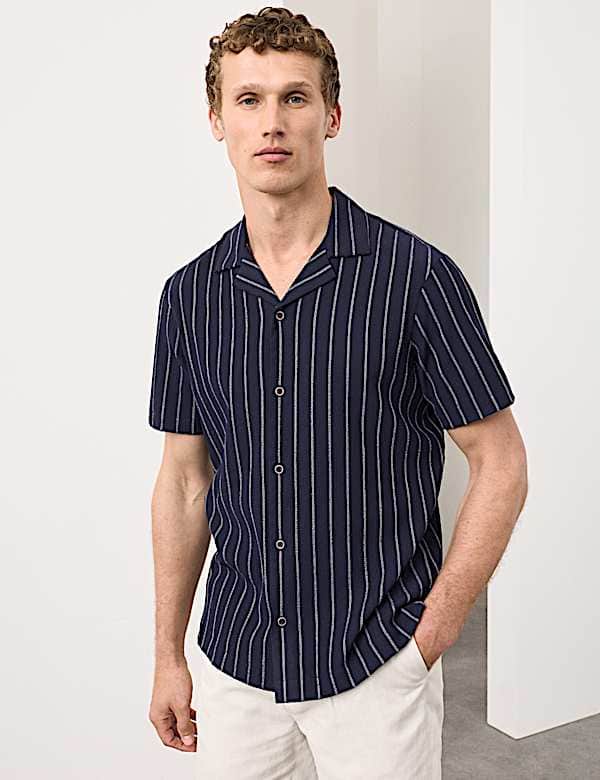
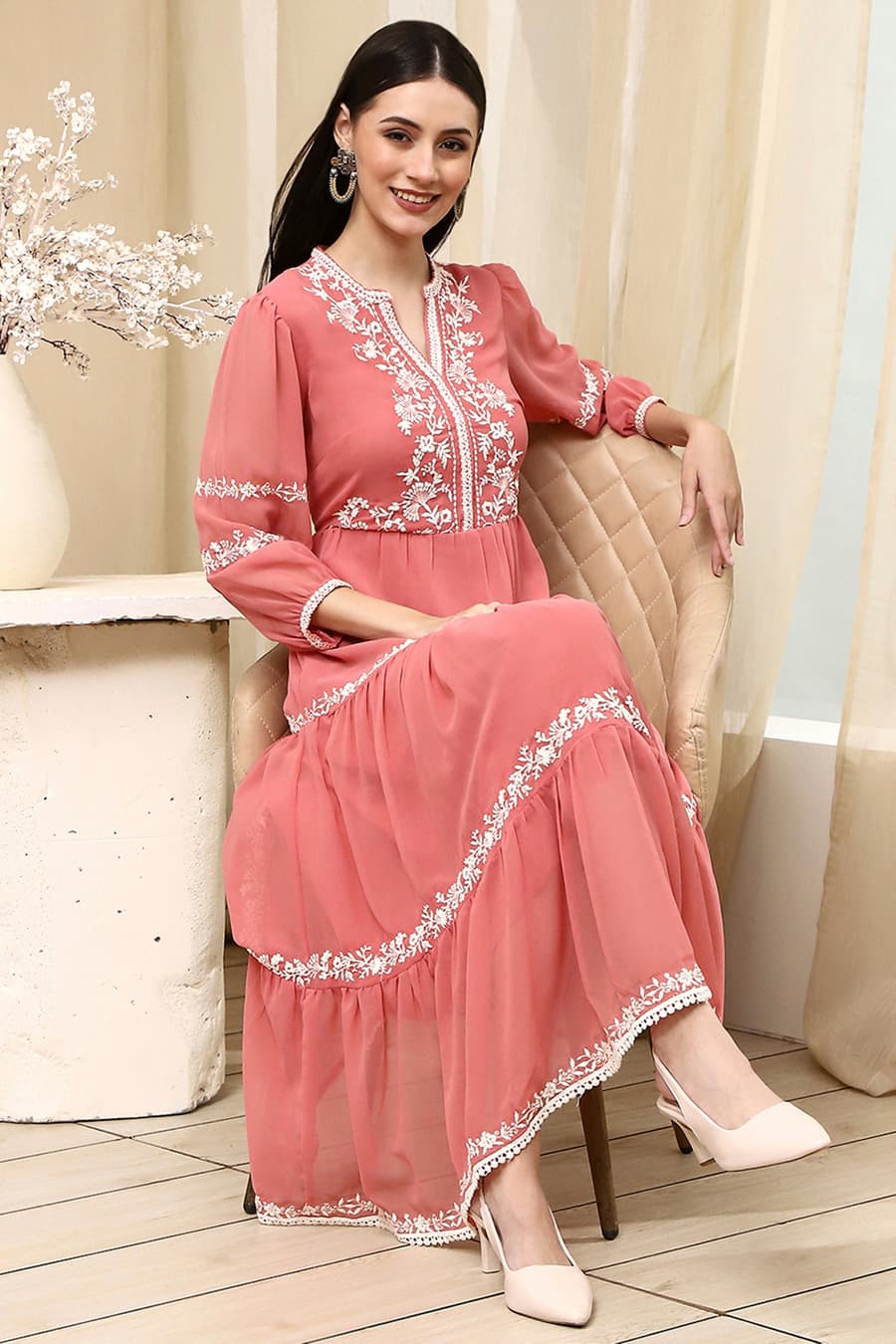
Colour filters are useful for building a coordinated wardrobe, but screens and lighting can change the appearance of a shade. Read the colour name and inspect the available close-up images. Check whether embroidery, a print or a textured weave is described, and look for finishing details such as seams, buttons, lining and closures. These details often explain why two visually similar garments may serve different purposes.
Before leaving your shortlist, confirm size availability, the items included, care requirements and the retailer's delivery and return terms. Save useful finds in a collection if you want to compare them later. You can move into women's, men's or kids' fashion for a narrower selection, or explore jewelry and beauty when you are planning the supporting pieces of an outfit. Our curators' advice is a starting point for comparison; individual product evidence and your own requirements should guide the final choice.