Choose for the activity you actually do
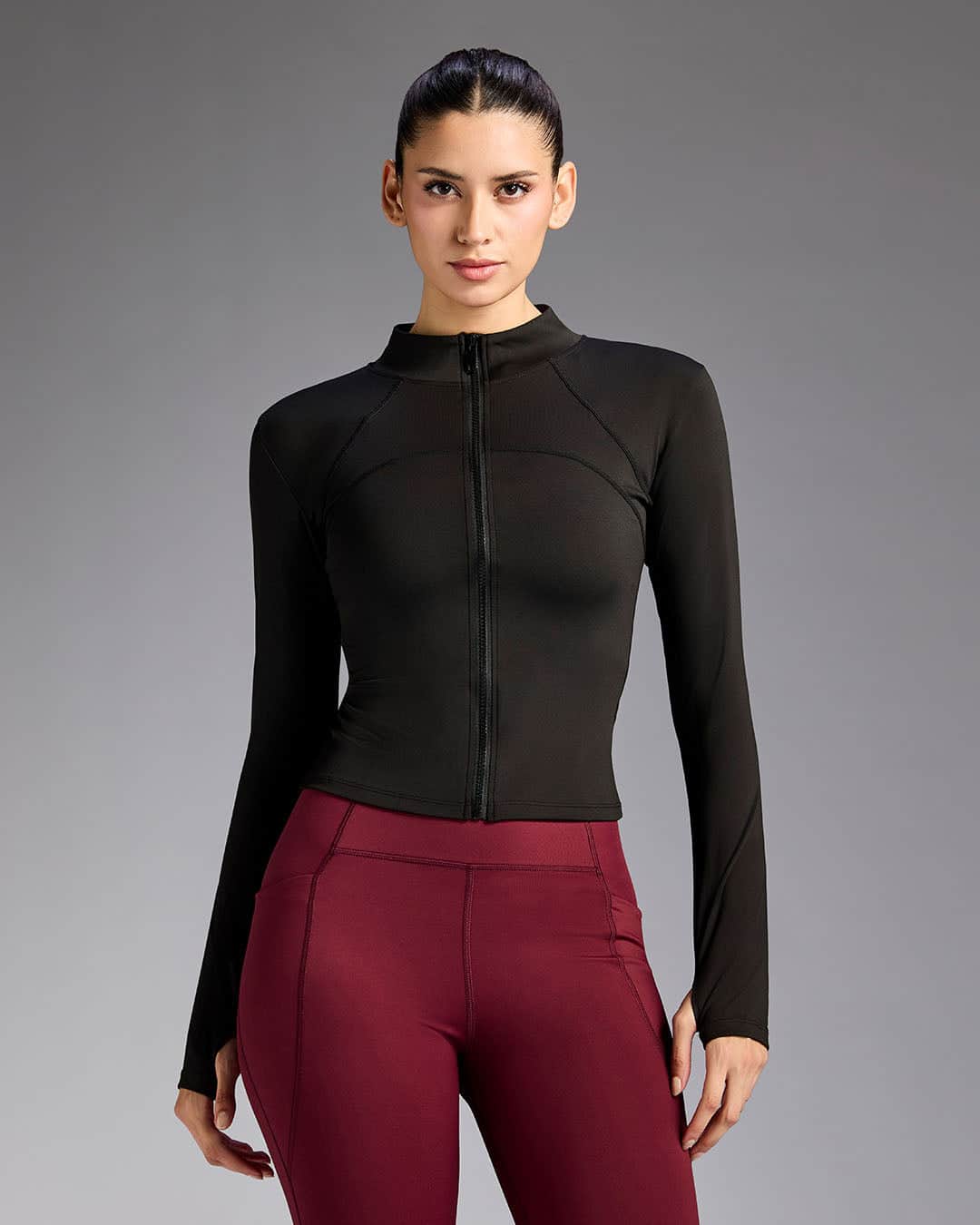
A jacket for the journey to a class, a bag for carrying kit and clothing for a training session have different jobs. Write down the activity, setting and features you need before comparing products. Consider whether you train indoors or outdoors, what you carry and the clothes or equipment you already use. This keeps a broad fitness search tied to an ordinary, repeatable routine.
Avoid treating an athletic appearance as proof of suitability. A product title may describe training or performance without answering your questions about construction, support or intended use. Read the actual specification and any guidance supplied by the manufacturer. If you are choosing around an injury, a medical condition or a specific support requirement, use qualified professional advice rather than expecting a general shopping collection to settle that decision.
Compare activewear fit through movement and construction
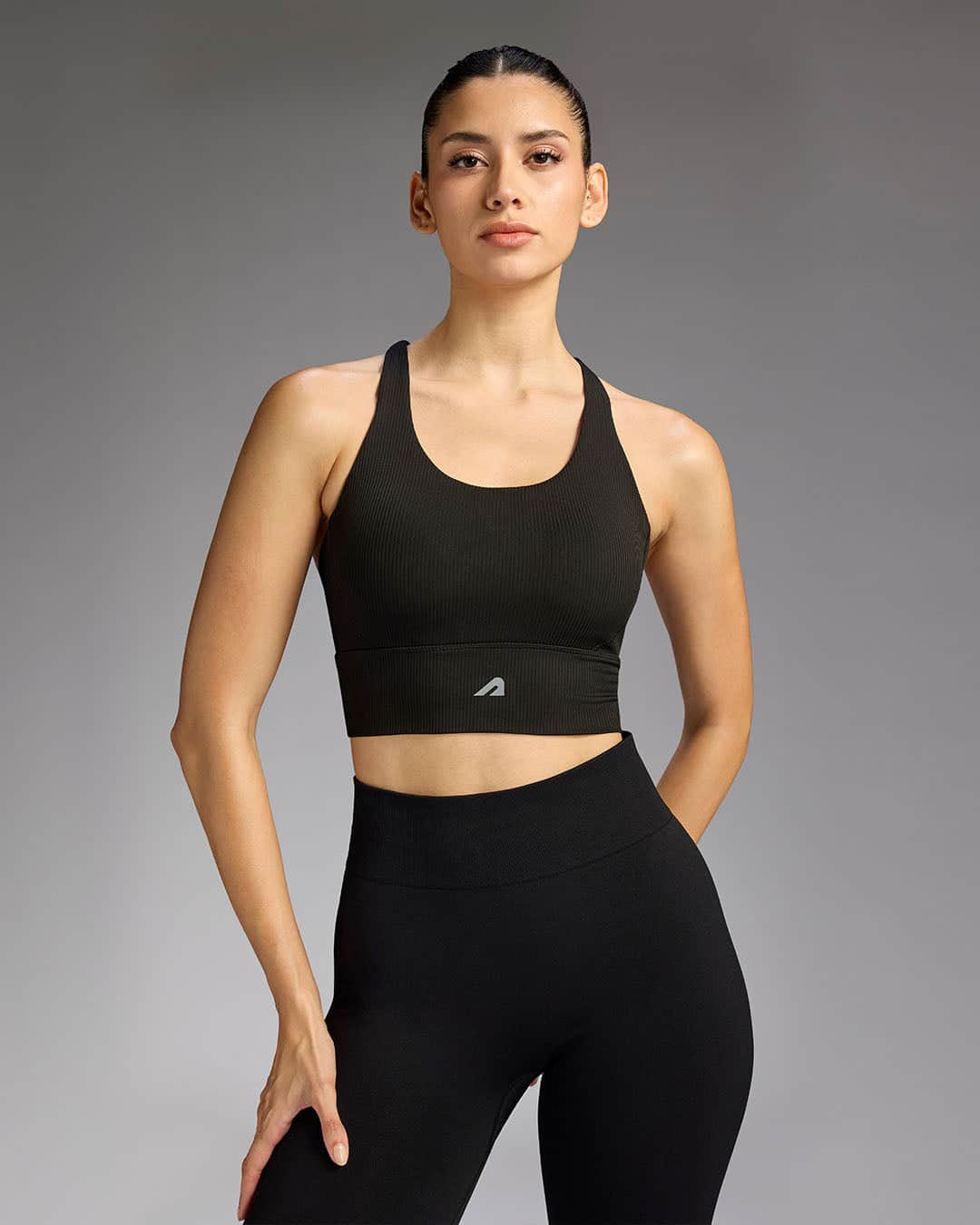
For a jacket, top or sports bra, check the stated size chart, material composition, closures and other construction details. Compare the chart with the measurement method the seller specifies. A familiar size label is not a universal fit standard, and a fitted or padded description does not establish the level of support a particular person will experience.
Think about the movements involved in the intended activity. Look at sleeve length, neckline, waistband or hem placement where relevant, and consider how the piece will work with your existing clothing. Check care instructions before ordering, especially if the item will need frequent washing. Statements about stretch, sweat management or support should be read as the manufacturer's claims unless the individual find clearly documents additional evidence or testing.
Treat footwear as its own comparison
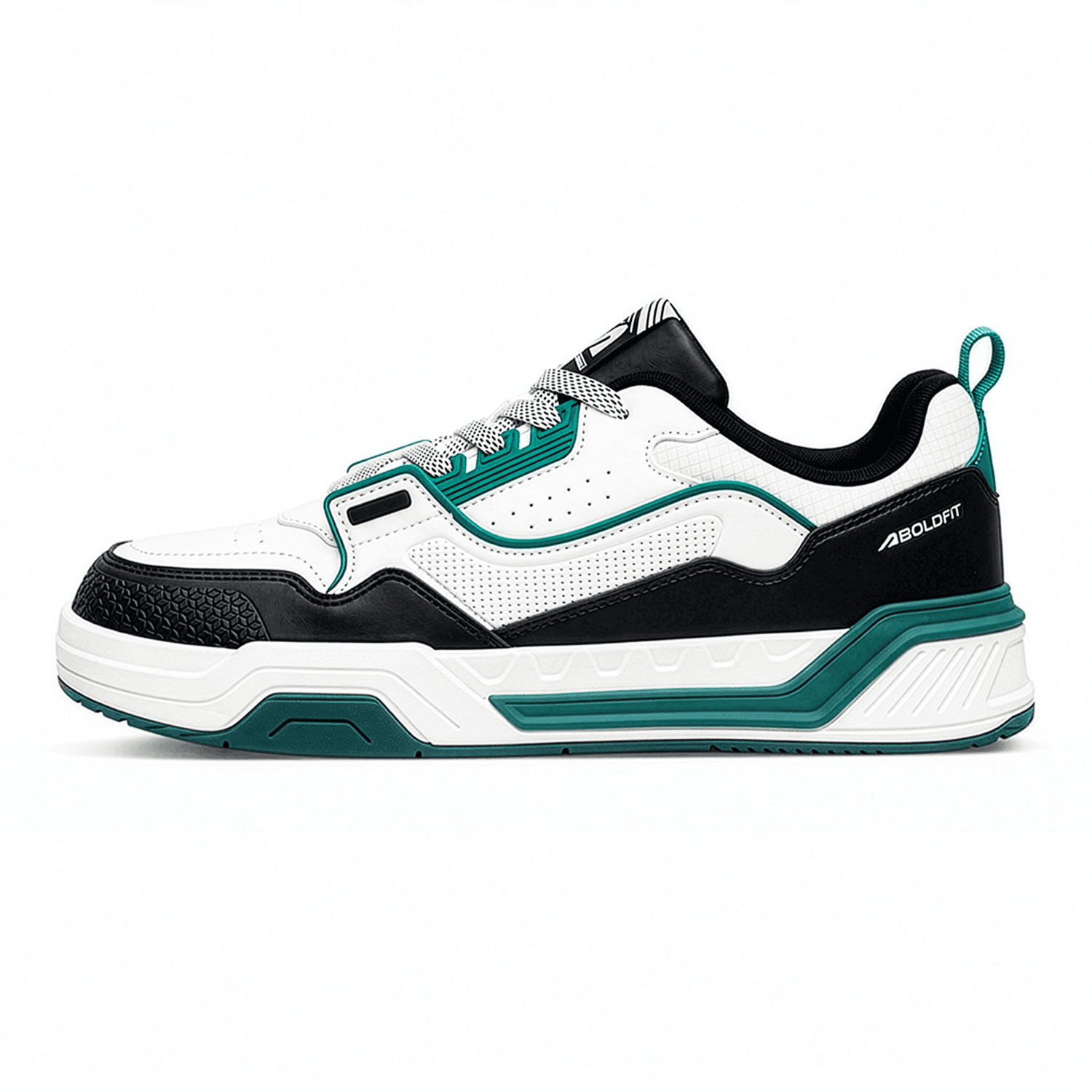
For shoes, compare the sizing guidance, intended activity, closure and the construction details supplied by the seller. Do not decide suitability solely from a colour, a sporty name or the shape of the sole in a photograph. A shoe designed for one use should not be assumed appropriate for every sport or training routine.
Use your current foot measurements and the seller's chart, checking whether it describes foot length or another measurement. Read the return conditions before ordering if fit is uncertain. If you use prescribed supports or have a foot or injury concern, obtain relevant professional guidance. The footwear filter helps identify the product group; it does not establish comfort, injury prevention or performance for an individual.
Compare gym bags by usable capacity and organisation
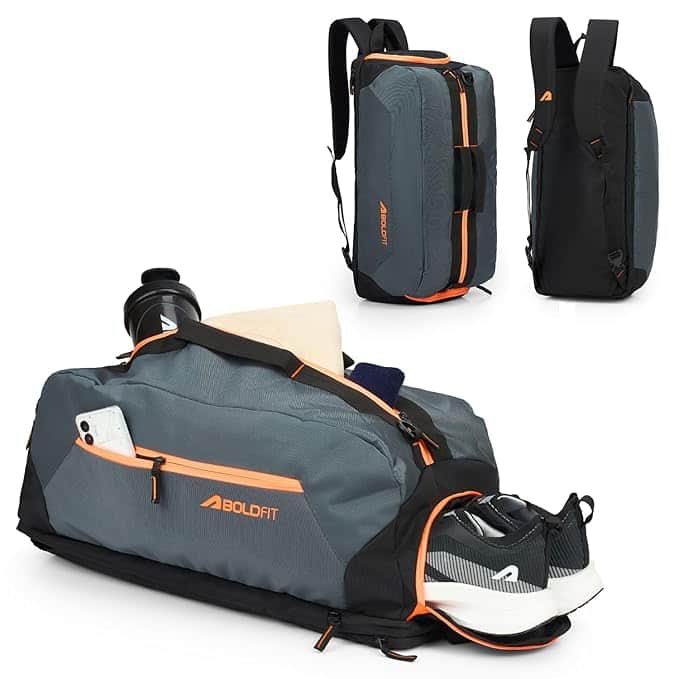
A stated litre capacity is helpful, but also check the actual bag dimensions, opening and compartment layout. List the items you usually carry, including shoes, clothing, a towel or a bottle, and consider whether you need them separated. A bag can have sufficient total volume while lacking a compartment shape that suits your kit.
Look at handles, straps, closures and the care instructions. If a seller describes a water-resistant finish, check the stated conditions rather than treating it as a promise that everything inside is protected in every situation. Consider where the bag will be stored and how easily it can be cleaned. Compare the documented practical details with the bags you already use before assuming that a larger size is automatically more convenient.
Keep personal care and supplements separate from training gear
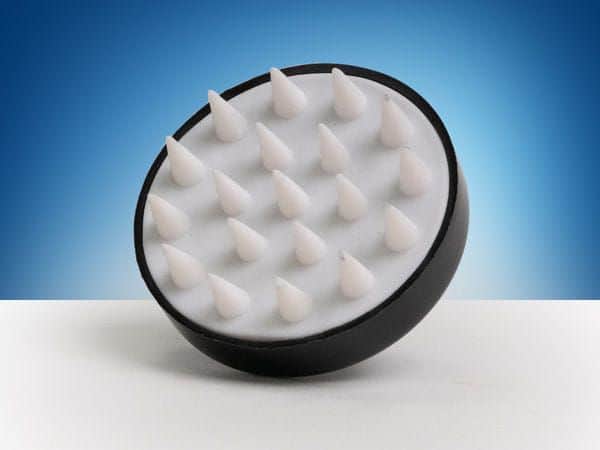
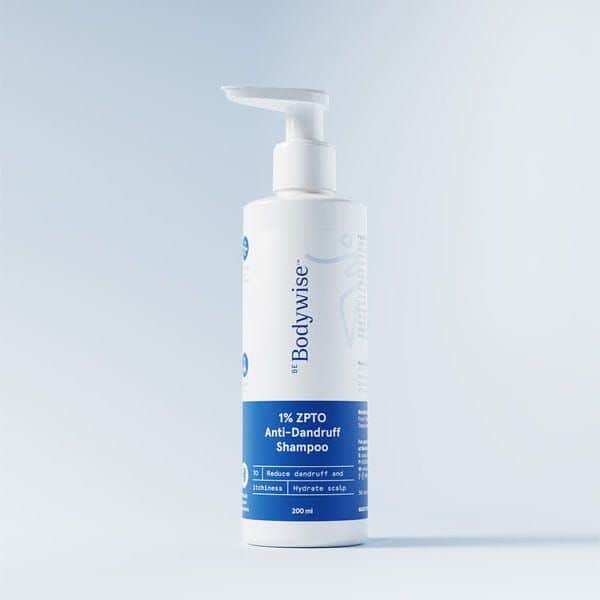
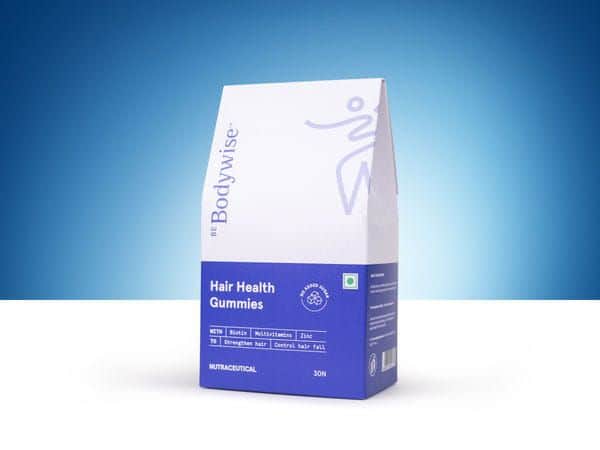
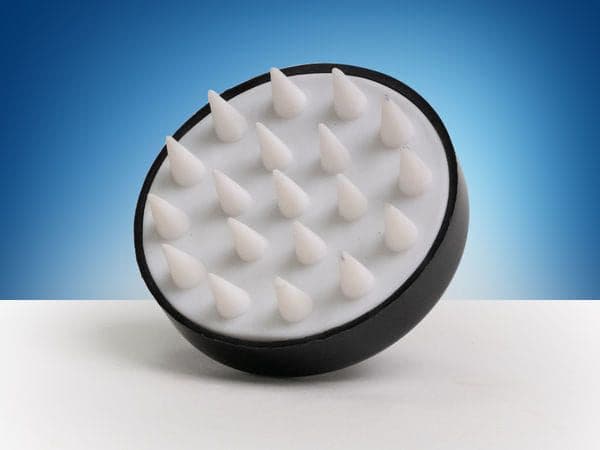
Shampoo, a scalp accessory and a supplement require a different checklist from a jacket or gym bag. Read the product's ingredients where relevant, amount, directions and warnings. A product name or a marketing description does not establish that it treats a condition or produces a particular result. Compare the actual contents and intended use instead of grouping all wellness-themed products together.
For supplements, talk with an appropriate healthcare professional about benefits and risks before deciding what to use. FDA consumer guidance notes that supplements are not substitutes for prescription medicines or a varied diet. This is general information, not a recommendation to start a supplement. Questions involving medicines, a health condition or an individual nutritional need should be addressed through qualified advice rather than an editorial shopping score.
Judge value by useful features and the complete purchase
Compare products within the same group using the details that matter: garment construction and care, shoe sizing and intended use, bag layout or the stated quantity of a personal-care product. A higher price or a larger discount does not by itself establish better support, comfort or effectiveness. Missing information is a reason to investigate, not a specification you can safely assume.
Use the recorded price table to organise alternatives, then confirm current stock, the selected variant, delivery and return terms with the retailer. Save a small shortlist if you want to compare later. The fashion collections offer additional clothing, while beauty provides a more focused skincare and body-care browse. Keep your original activity or routine in view so that supporting purchases do not become an unrelated bundle of gear you will rarely use.