The useful starting point
Confirm the stated base material and finish, check dimensions and closures, and read care and return terms. A gold-coloured or gold-plated fashion accessory is not a claim of solid gold. For a hallmarked precious-metal purchase, use the applicable official verification route rather than relying on a listing badge.
Separate colour, finish and material
Copy the product’s material description exactly: alloy, a named base metal, plating, stones or beads. ‘Gold’ in a colour field describes appearance; do not convert that into a purity claim. If the seller uses a term such as gold-plated, ask what the base material is and what care restrictions apply.
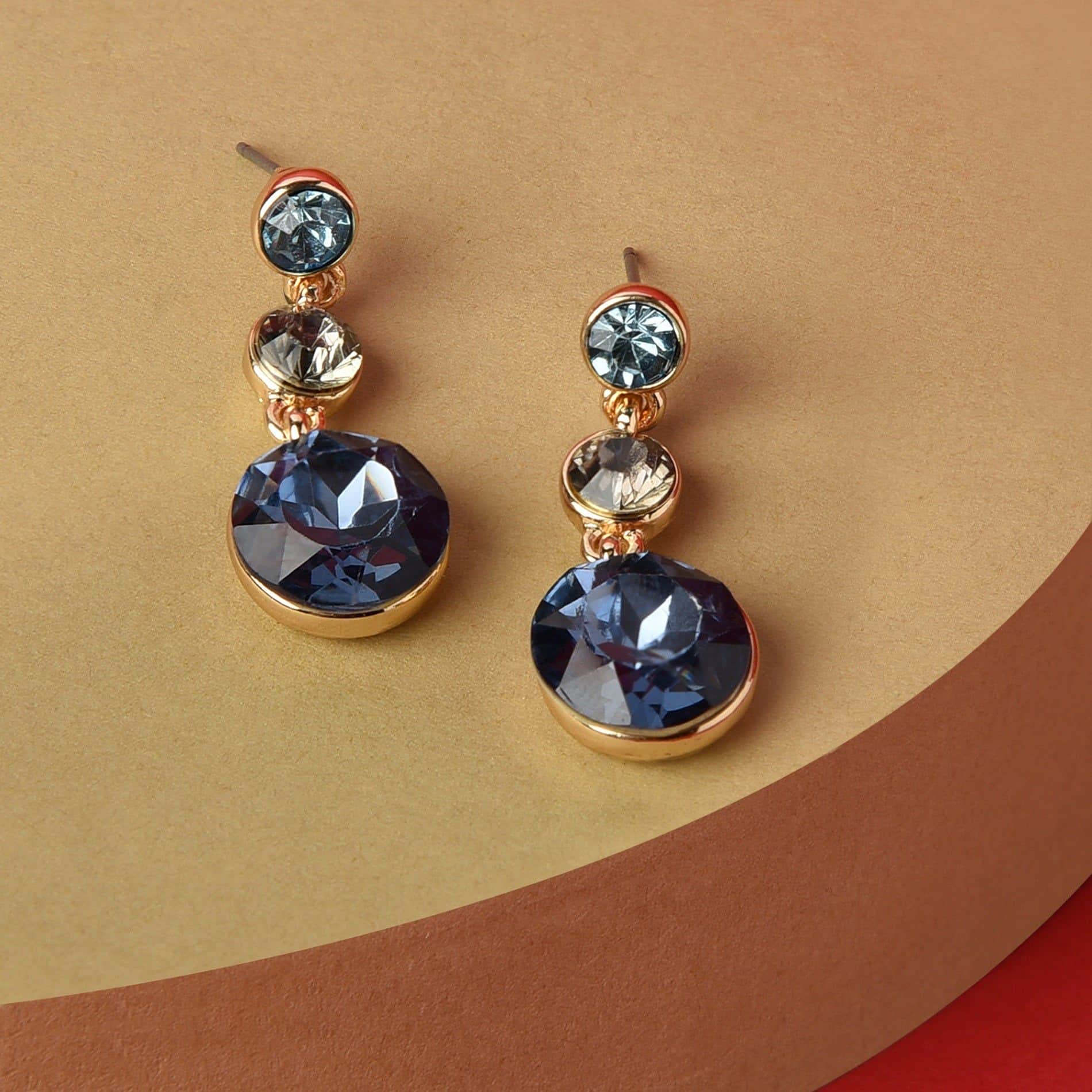
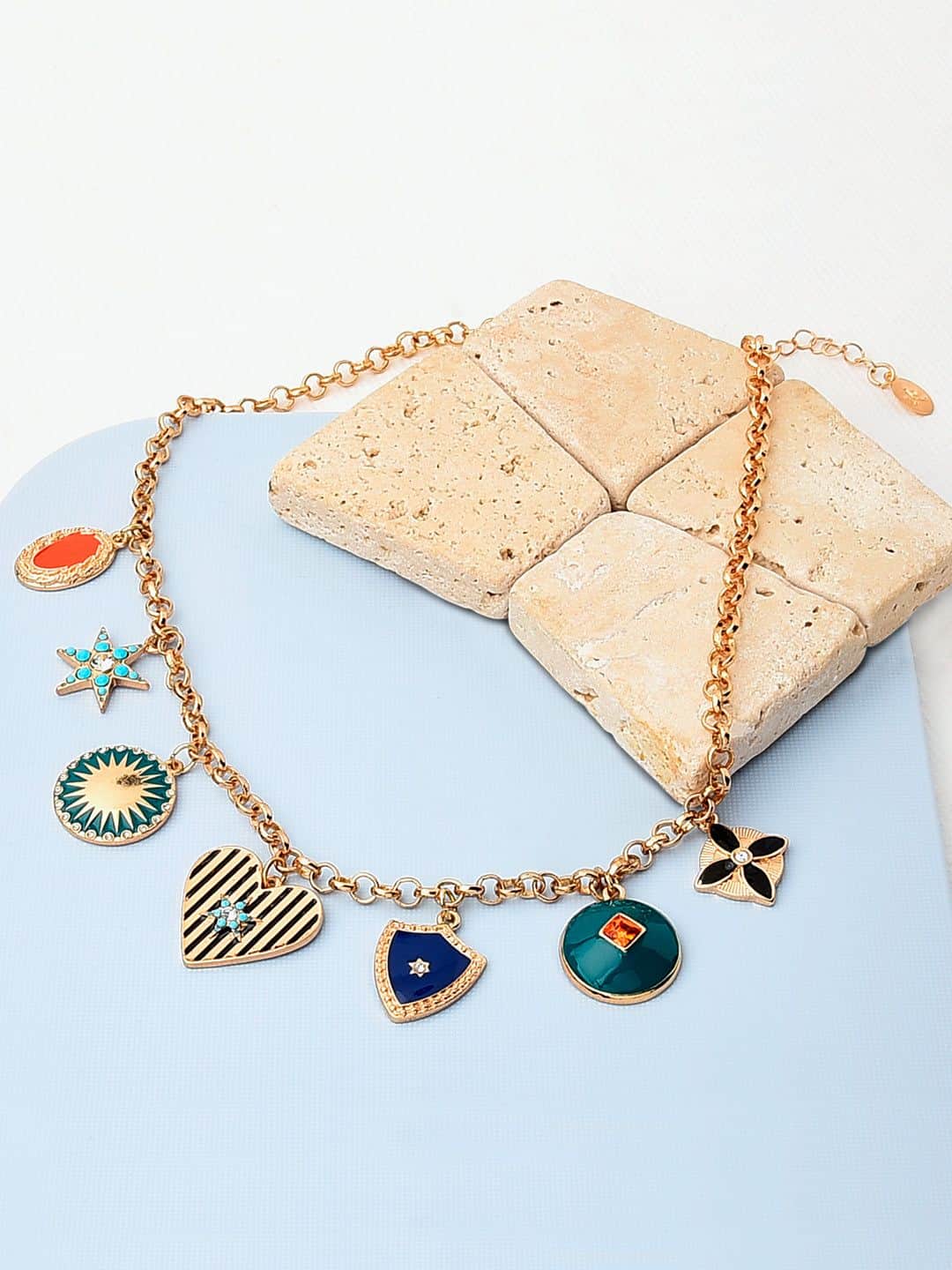
For the fashion necklaces and earrings currently in our catalogue, compare the supplied material and finish information rather than treating them as investment products. A higher price or an ornate photograph does not establish metal purity or durability.
Measure the scale you want to wear
| Item | Useful dimensions and construction details |
|---|---|
| Necklace | Chain length, extension range, pendant size and closure |
| Earrings | Drop length, width, stated weight and fastening type |
| Ring | Seller’s sizing method and whether adjustment is intended |
| Bracelet | Internal size or length, opening and closure |
Compare dimensions with an accessory you comfortably wear. Use a string or paper outline to picture a necklace length or earring size, without treating that as a comfort test of the product itself. Ask for a stated weight when heavy-looking earrings are a concern.
Verify a precious-metal claim separately
The Bureau of Indian Standards provides a Verify HUID function in the BIS Care app for checking hallmarked jewellery identifiers. If your purchase carries a HUID claim, ask for the actual item’s details, use the official verification tool and resolve any mismatch with the seller before accepting the claim.
That verification route is separate from the material questions for costume jewellery. Do not assume that a gold-coloured alloy accessory should carry the same identifier, or that a badge in an online image verifies the item delivered. Keep the item description and invoice.
Check care, sensitivity and returns
Read restrictions on water, perfume, cleaning products and storage from the maker. Ask for the documented material details if you know you react to particular metals. A hypoallergenic label alone cannot guarantee individual tolerance.
Confirm whether earrings, personalised items or sale pieces have return exclusions and how a damaged delivery is handled. Inspect closures, pairs and stones on arrival under the seller’s conditions. The kurta set guide and workwear worksheet can help match an accessory to an outfit you already plan to wear.
Sources and scope
Primary sources consulted on 10 October 2026. Specific sourced facts are attributed in the guide; the shopping worksheets are our own. Details can change, so confirm the terms for your purchase.
Any calculation examples are illustrative, rather than live prices. Check the retailer’s current price, availability and terms. Some product links elsewhere on SimplyFound earn a commission. How affiliate links work.
Suggest a factual correction →